How to Use the Translate App for iPhone in iOS 14

The Translate app, introduced in iOS 14, allows you to quickly translate between languages using text or voice input. With speech output, support for a dozen languages, and a comprehensive built-in dictionary, it’s an essential tool for travelers or students.

The Translate app, introduced in iOS 14, allows you to quickly translate between languages using text or voice input. With speech output, support for a dozen languages, and a comprehensive built-in dictionary, it’s an essential tool for travelers or students.

This is for the iPhone running iOS 14

Dilbert and Donut
Copyright Scott Adams, Inc./Distributed by Universal Uclick for UFS

Locate the App

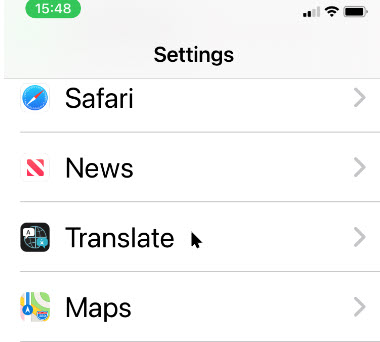
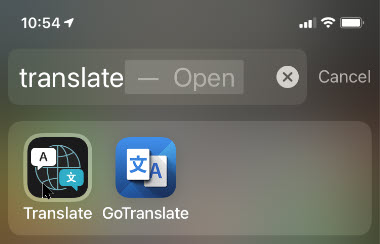
First, let’s locate the Translate app. From your first Home screen, swipe right to open Today View. Now, type “translate” into the search bar that appears, then tap the Apple Translate icon (the first one in my example). If this is the first time to launch the Translate app, you will be presented with a few introductory screens; just follow the instructions to start the app. Refer to below image:

Translate 1
Accessing the Apple Translate app

When Translate opens, make sure you are in translate mode by tapping the Translate button at the bottom of the screen. See below image:

Translate 3
Accessing Translate button

Select the Languages

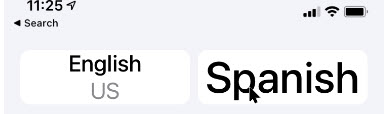
Next, you willl need to choose the language pair using the two buttons at the top of the screen.

The button on the left sets the source language, and the button on the right sets the destination language. See following image:

Translate 4
Accessing Source and Destination lanuguage

Just tap either language to select your source or destination language. When finished, tap Done in upper right-hand corner. Refer to below image:

Translate 5
Selecting your languages

Translation by Text

Now it’s time to enter the phrase you would like to translate. If you would like to type it with an on-screen keyboard, tap the Enter Text area on the main Translate screen. See below image:

Translate 6
The text input area

Your screen will display an on-screen keyboard. Type in what you would like to translate , then tap Go at the bottome right-hand corner. See Following image:

Translate 7
Entering text to translate

Translation by Voice

Another method is to speak the phrase that needs translation. Just tap the Microphone icon at the bottom on the main Translate screen. Refer to below image:

Translate 8
Accessing microphone

When the screen changes, say the phrase you would like to translate out loud. As you speak, Translate will recognize the words and write them out on your screen. See below image:

Translate 6
The translated text

When you are finished, you will see the resulting translation on the main screen, just below the phrase you spoke or entered.

Favorites and Dictionary

At the bottom of your screen, you will see a toolbar. See following image:

Translate 6
The Translate toolbar

If you press the Favorite button (which resembles a star), you can add the translation to your Favorites list. You can access it later by pressing the Favorites button at the bottom of the screen. Refer to below image:

Translate 12
Saving to Favorites

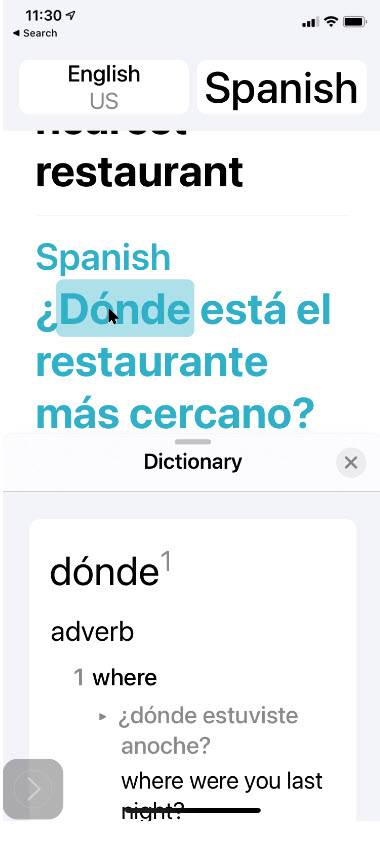
If you press the Dictionary button (which resembles a book) in the toolbar, the screen will to switch to Dictionary mode. In this mode, you can tap each individual word in a translation to see what it means. The Dictionary can also help you explore possible alternative definitions for the selected word. See below image:

Translate 13
Accessing the Dictionary

Playback

If you press the Play button (a triangle in a circle) in the toolbar, you can hear the translation result spoken aloud by a computer synthesized voice. See following image:

Translate 14
Playback your translation

That’s it. I hope you find this helpful on your travels to other countries or as a student mastering a different language.

I hope you have found this post helpful. If so, click the Tweet icon below. This will launch Twitter where you click its icon to post the Tweet.

I have found TechSavvy.Life blog posts extremely helpful. Check them out for posts on smart phone apps, Macs and PCs!

I Would Like to Hear From You

Please feel free to leave a comment. I would love hearing from you. Do you have a computer or smart device tech question? I will do my best to answer your inquiry. Please mention the device, app and version that you are using. To help us out, you can send screenshots of your data related to your question.

The author’s Vietnam eBook on the Battle for Tra Bong: Events and Aftermath

How to Disable Noise Cancellation on iPhone in iOS 14

Does your iPhone earpiece sound muffled or somewhat weird? The iPhone has a microphone next to the iSight camera for noise cancellation, allowing the user to block out ambient noise and get a more clearer sound in the earpiece. But at times, noise cancellation can be a hit or miss, resulting in muffled or fuzzy sound, making things tough to understand. If you’re facing such an issue, let’s turn off noise cancellation to fix things in a jiffy.

Does your iPhone earpiece sound muffled or somewhat weird? The iPhone has a microphone next to the iSight camera for noise cancellation, allowing the user to block out ambient noise and get a more clearer sound in the earpiece. But at times, noise cancellation can be a hit or miss, resulting in muffled or fuzzy sound, making things tough to understand. If you’re facing such an issue, let’s turn off noise cancellation to fix things in a jiffy.

This is for the iPhone running iOS 14

Dilbert and Safety
Copyright Scott Adams, Inc./Distributed by Universal Uclick for UFS

To Tweet about this post, click the Tweet icon below to launch Twitter, then click its Tweet icon to post.

Check out TechSavvy.Life for their blog posts on smartphone apps, PCs. and Macs!

How Does It Work

Phone noise cancellation, first introduced in iOS 7, monitors levels of ambient background noise and produces an inverse audio signal to cancel that background noise, so you don’t hear it on a phone call. The technology works best with continuous low-level background noise, and it typically works very well. But sometimes it can produce an eerily quiet phone conversation or unsettling audio sounds, such as small crowd noises or low-level background music.

Also, some people find the noise-cancellation effect physically uncomfortable especially when using a headset. Fortunately, phone noise cancellation is easy to turn off on the iPhone. Let’s explore how to do this.

Disable Noise Cancellation

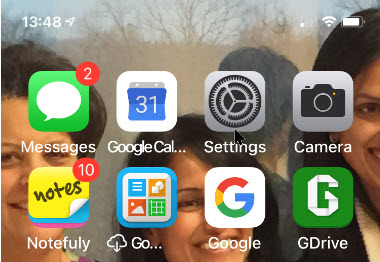
First, open Settings (the gear icon). Refer to below image:

Noise 1
Accessing Settings

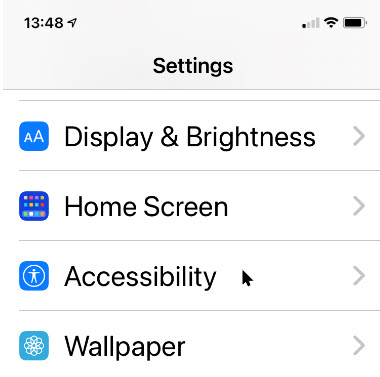
Now, scroll down and launch Accessibility. See below image:

Noise 2
Accessing Accessibility

Next, scroll down to the Hearing section and tap Audio/Visual. See following image:

Noise 3
Accessing Audio/Visual

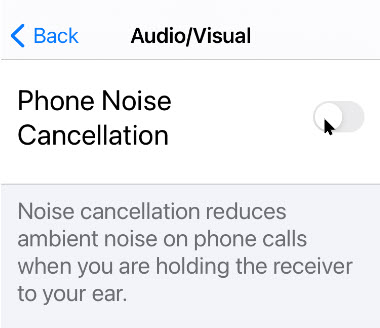
Now, tap the Phone Noise Cancellation toggle to turn it off (the default setting is On). Refer to below image:

Noise 4
Disabling Phone Noise Cancellation

Next, let’s go back one screen to make sure the change registers. You can now exit Settings. The next time you place or receive a phone call, noise cancellation will be disabled.

That’s it. You may enable the feature at any time by following the above steps.

I hope you have found this post helpful. If so, click the Tweet icon below. This will launch Twitter where you click its icon to post the Tweet.

I have found TechSavvy.Life blog posts extremely helpful. Check them out for posts on smart phone apps, Macs and PCs!

The following is a previous Twitter feed so you can view how a Tweet will be displayed.

I Would Like to Hear From You

Please feel free to leave a comment. I would love hearing from you. Do you have a computer or smart device tech question? I will do my best to answer your inquiry. Please mention the device, app and version that you are using. To help us out, you can send screenshots of your data related to your question.
The author’s Vietnam eBook on the Battle for Tra Bong: Events and Aftermath

How to Set a Do Not Disturb Message on iPhone

Do Mot Disturb is a helpful iPhone setting when you do not want to be interrupted, such as at meetings, formal events, driving, or at night.

Do Mot Disturb is a helpful iPhone setting when you do not want to be interrupted, such as at meetings, formal events, driving, or at night.

This option stops notifications, alerts, and calls from making any noise, vibration, or lighting up the iPhone when the screen is locked.

In this post, we are exploring how to send an “Auto-Reply” message when you receive a text message and who can receive that message once you have Do Not Disturb enabled.

This is for the iPhone

Dilbert and Glasses
Copyright Scott Adams, Inc./Distributed by Universal Uclick for UFS

To Tweet about this post, click the Tweet icon below to launch Twitter, then click its Tweet icon to post.

Check out TechSavvy.Life for their blog posts on smartphone apps, PCs. and Macs!ds

First, open Settings by tapping the gear icon. Refer to below image:

Do Not Disturb 1
Accessing Settings

Setup for Do Not Disturb

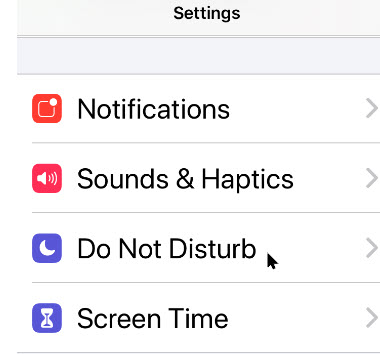
Now, locate and tap the Do Not Disturb option. See below image:

Do Not Disturb 2
Accessing Do Not Disturb option

Next, enable the Do Not Disturb option. See following image;

Do Not Disturb 3
Enabling Do Not Disturb toggle

Setup for “Auto-Reply” Message

Now, scroll down until you see the “Auto-Reply” options. Tap Auto-Reply .Refer to below image:

Do Not Disturb 4
Accessing “auto-reply” option

On the next screen, tap the text input area, and type any message you would like. Or, you can chose one of the canned messages. The message will be automatically texted to people you select that send you a message while your Do Not Disturb is enabled.

When you are done entering your message, or choosing one, tap the blue link Back button. See below image:

Do Not Disturb 6
Choosing an “auto-reply” message

Setup Your Audience

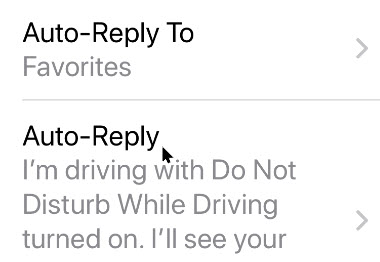
Now, tap Auto-Reply To in the Do Not Disturb options.

You will see a list of options, including No One, which turns off “Auto-Reply”. Tap an option to select it. See following image:

Do Not Disturb 6
Selecting your audience for the Do Not Disturb message

In my example, I am choosing the “I am driving…” canned message sent to my Contacts Favorities list.

When yo are done, tap the blue link Back button, then exit Settings.

That its. You have now set a Do Not DisturbAuto-Reply” message.

I hope you have found this post helpful. If so, click the Tweet icon below. This will launch Twitter where you click its icon to post the Tweet.

I have found TechSavvy.Life blog posts extremely helpful. Check them out for posts on smart phone apps, Macs and PCs!

The following is a previous Twitter feed so you can view how a Tweet will be displayed.

I Would Like to Hear From You

Please feel free to leave a comment. I would love hearing from you. Do you have a computer or smart device tech question? I will do my best to answer your inquiry. Please mention the device, app and version that you are using. To help us out, you can send screenshots of your data related to your question.
The author’s Vietnam eBook on the Battle for Tra Bong: Events and Aftermath

How to Extract an Image From a Live Photo on iPhone

If you have ever taken a Live Photo on your iPhone,it has basically created a short video clip attached to an image. If you do not like the resulting photo (or want to use a different one), it is possible to extract a different photo from the video clip that you can save or share

If you have ever taken a Live Photo on your iPhone it has basically created a short video clip attached to an image. If you do not like the resulting photo (or want to use a different one), it is possible to extract a different photo from the video clip that you can save or share. Let us explore how to do this.

This is for the iPhone

Dilbert and Design
Copyright Scott Adams, Inc./Distributed by Universal Uclick for UFS

To Tweet about this post, click the Tweet icon below to launch Twitter, then click its Tweet icon to post.

Check out TechSavvy.Life for their blog posts on smartphone apps, PCs. and Macs!

Edit a Live Photo

First, open the Photos app. Browse your photos until you find the Live Photo you would like to work on. Tap it to view it in detail. Now, tap the Edit button in the upper-right corner of your screen. Refer to below image:

Still Image 1
Accessing the Edit icon

Next, on the Edit screen, tap the Live Photo icon near the bottom of the screen; the one that looks like three concentric circles. See below image:

Still Image 2
Accessing the Live Photo icon

Extract an Image

A filmstrip will appear just below the photo. Drag your finger along the filmstrip until you find the image that you would like to extract. You will be making this the Key Photo, or the one you want to visually represent the Live Photo when viewed in the Photos app.

Now, lift your finger from the film strip, then tap the Make Key Photo pop-up. See following image:

Still Image 3
Accessing Make Key Photo option

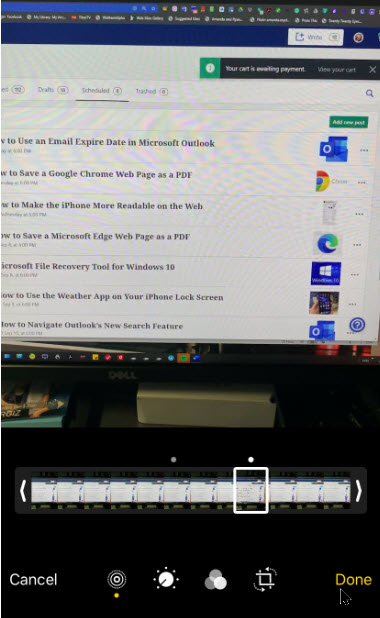
The Key Photo will be set. Next, tap Done to leave the Edit screen. Refer to below image:

Still Image 3
Save your changes

When you return to the photo detail screen, notice that the image has changed to the one you selected.

Duplicate the Live Photo

To extract the image while leaving the original Live Photo intact, we are going to duplicate it.

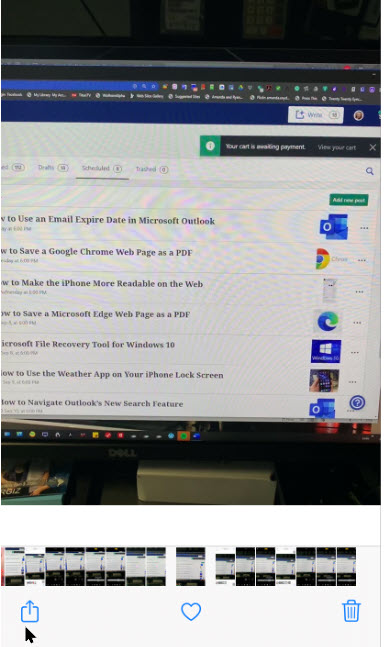
First, tap the Share button which looks like a square with an arrow pointing upward out of it at the bottom left hand corne of your screen. See below image:

Still Image 5
Accessing the Share button

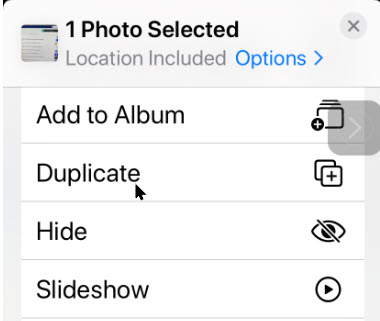
Next, in the Share menu, swipe down and tap Duplicate. See following image:

Still Image 6
Accessing the Duplicate option

Next, from the pop-up, tap Duplicate as Still Photo. Refer to below image:

Still Image 7
Selecting make a Duplicate as Still Photo

Revert Back to Original

After that, a new duplicate photo of the key frame you picked will appear in your Photos library just beside the original Live Photo.

If you would like, you can also return to your original Live Photo. On the photo, tap Edit again, then tap Revert to restore the Live Photo to its original settings.

The resolution of the extracted photo may not match that of a typical still photo on the iPhone. That’s because you have just extracted a still frame from a video, and Apple devices record video frames at a lower resolution than still photos.

I hope you have found this post helpful. If so, click the Tweet icon below. This will launch Twitter where you click its icon to post the Tweet.

I have found TechSavvy.Life blog posts extremely helpful. Check them out for posts on smart phone apps, Macs and PCs!

I Would Like to Hear From You

Please feel free to leave a comment. I would love hearing from you. Do you have a computer or smart device tech question? I will do my best to answer your inquiry. Please mention the device, app and version that you are using. To help us out, you can send screenshots of your data related to your question.
The author’s Vietnam eBook on the Battle for Tra Bong: Events and Aftermath

How to Stop Siri When Pressing Hold Button on iPhone

It is easy to accidentally trigger Siri on your iPhone by pressing and holding either the Side button (on newer models), or the Home button (on older ones). If you are like me, this is annoying. I find myself trying to stop Siri by pressing harder, which only changes Siri help commands. Or, I find myself turning off the iPhone by accident. Fortunately, there is an easy way to disable this feature. Siri voice commands will still be available.

It is easy to accidentally trigger Siri on your iPhone by pressing and holding either the Side button (on newer models), or the Home button (on older ones). If you are like me, this is annoying. I find myself trying to stop Siri by pressing harder, which only changes Siri help commands. Or, I find myself turning off the iPhone by accident. Fortunately, there is an easy way to disable this feature. Siri voice commands will still be available. Let’s explore how to do this.

This is for the iPhone

Dilbert and Work
Copyright Scott Adams, Inc./Distributed by Universal Uclick for UFS

To Tweet about this post, click the Tweet icon below to launch Twitter, then click its Tweet icon to post.

Check out TechSavvy.Life for their blog posts on smartphone apps, PCs. and Macs!

Accessing Accessibility

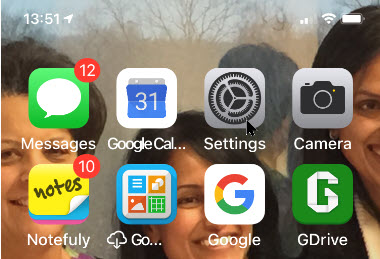
First, launch Settings by tapping the Gear icon. Refer to below image:

Stop Siri 1
Accessing Settings

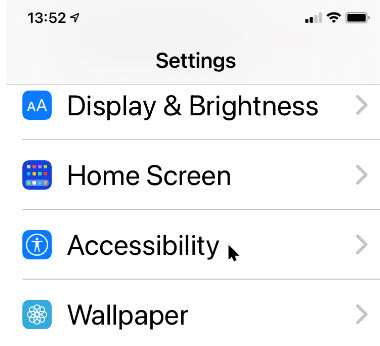
Next, swipe down the list and tap Accessibility. See below image:

Stop Siri 2
Accessing Accessibility option

The Side or Home Button

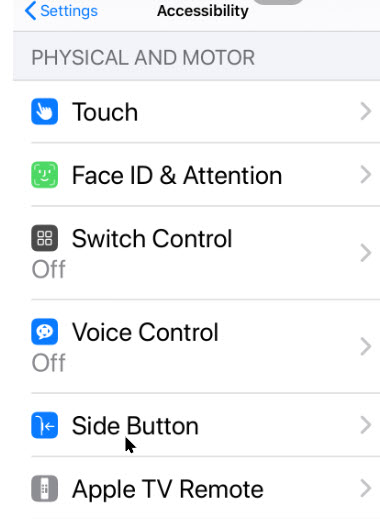
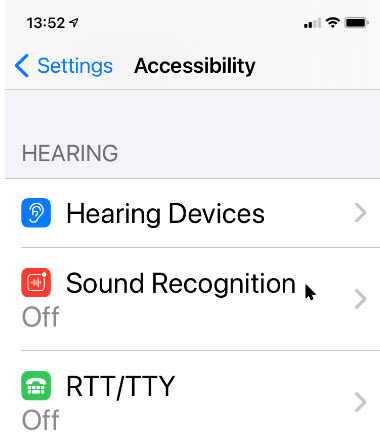
Now, swipe down until you locate the Physical and Motor section. The next step will be different depending on which model of iPhone you have.

  • On iPhone X or later; Tap the Side Button.
  • On older iPhones: Tap the Home Button,

See following image:

Stop Siri 3
Accessing the Side Button button on iPhone XR

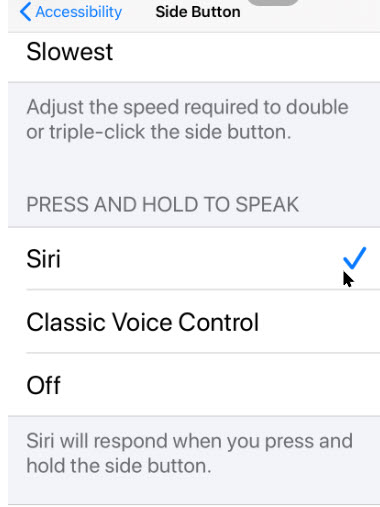
Next, locate the section labeled Press and Hold to Speak. Refer to below image:

Stop Siri 4
Side Button for Siri is enabled

Stop Siri

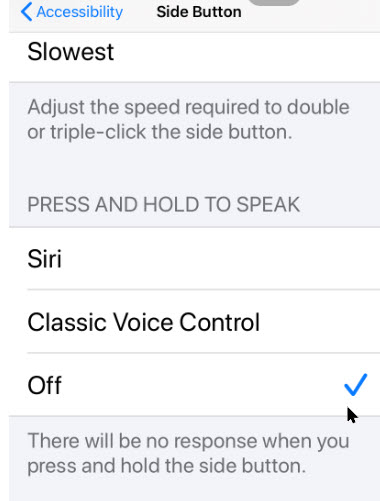
You will notice that the Siri option is On. Now, tap the Off option. See below image:

Stop Siri 5
Side Button for Siri is disabled

Now, exit all Settings screens.. The next time you press and hold your Side or Home button, Siti will not be triggered.

You will still be able to launch Siri with your voice using the “Hey Siri” feature if enabled.

I hope you have found this post helpful. If so, click the Tweet icon below. This will launch Twitter where you click its icon to post the Tweet.

I have found TechSavvy.Life blog posts extremely helpful. Check them out for posts on smart phone apps, Macs and PCs!

I Would Like to Hear From You

Please feel free to leave a comment. I would love hearing from you. Do you have a computer or smart device tech question? I will do my best to answer your inquiry. Please mention the device, app and version that you are using. To help us out, you can send screenshots of your data related to your question.
The author’s Vietnam eBook on the Battle for Tra Bong: Events and Aftermath

How to Check if Your iPhone or Android is Running Smoothly

Want to checkout your iPhone or Android with diagnostics? Maybe you are wanting to sell the device and need to see if the device is working properly. Or you just wish to checkout the performance of your device. Whatever the reason, let’s explore a couple of apps from Apple’s or Google’s App Store.

Want to checkout your iPhone or Android with diagnostics? Maybe you are wanting to sell the device and need to see if the device is working properly. Or you just wish to checkout the performance of your device. Whatever the reason, let’s explore a couple of apps from Apple’s or Google’s App Store.

The apps are TestM and Phone Diagnostics. Both apps are free but come with ads. You can remove the ads for Phone Diagnostics for a small fee. The apps run similar diagnostic tests for touch screen, audio, video, camera, microphone, sensors and other components on your phone.

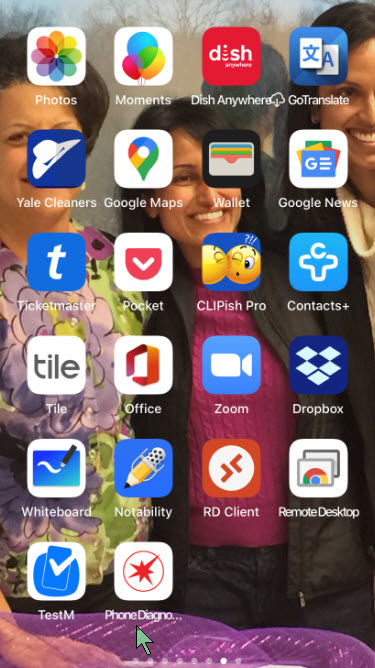
After you have installed these apps, their associated icons will appear on your Home screen (see left bottom corner) like the image below:

iPhone Diagnostics 1
The installed Diagnostic apps

This is for the iOS and Android devices. Screenshots are for the iPhone

Dilbert and Stupid Again
Copyright Scott Adams, Inc./Distributed by Universal Uclick for UFS

Check out TechSavvy.Life for similar blog posts!

TestM App for iPhone and Android

Designed for iOS and Android, the free TestM app can run diagnostics on your phone’s touch screen, sound, camera, sensors, network connectivity and other hardware.

The app gives you full control over the tests you want to run. Opt for a quick test to check three key features: touch screen, earpiece audio and high-frequently audio; or commit to a full test to check out all supported features. Otherwise, you can test just one specific feature, like the accelerometer, Bluetooth connectivity, camera flash and Face ID on an iPhone.

Most of the tests are interactive. The touch-screen test asks you to draw on the screen, the microphone test asks you to speak, the audio test prompts you to tap the numbers you hear and the camera test requests that you pose for a picture. One of the nifty tests is the Internet Speed Test to measure your phone’s upload and download speed.

After you’ve completed your testing, TestM compiles a report that reveals the key stats of your phone along with the outcome of the tests you ran. Each individual feature tested receives a green checkmark for good or a red checkmark for bad.

Any features that flunk can be re-tested from the report screen. You can share the report with someone else via email, messaging, or another app or service. TestM can even generate a list of local repair shops that might be able to fix whatever hardware ailment is affecting your phone. Refer to below image:

iPhone Diagnostics 2
The TestM app Home screen

Phone Diagnostics for iPhone

Available for the iPhone, the Phone Diagnostics app offers a range of tests you can run one after the other. The app can check your touch screen, multi-touch capabilities, camera, flash, speaker, microphone, Wi-Fi, cellular access, sensors and other components. Just tap the button for the test you wish to run. Alternatively, tap the Play button in the middle of the screen to run all the tests one after the other. Unlike TestM, you can remove ads by paying a small fee.

The multi-touch test asks you to place three fingers on the screen. The camera test snaps photos using the front and rear cameras, while the video record test shoots a quick video using the rear camera. The motion test asks you to move your phone around, and the GPS test verifies your location on a map.

The app doesn’t generate any reports or results, but each successful test paints its button in green, while a failed or interrupted test appears in red. The app also attempts to steer you to a repair shop should your iPhone need to be fixed. See below image:

iPhone Diagnostics 3
The Phone Diagnostics app Home screen

I have found TechSavvy.Life blog posts extremely helpful. Check them out for posts on smart phone apps, Macs and PCs!

I Would Like to Hear From You

Please feel free to leave a comment. I would love hearing from you. Do you have a computer or smart device tech question? I will do my best to answer your inquiry. Please mention the device, app and version that you are using. To help us out, you can send screenshots of your data related to your question.
The author’s Vietnam eBook on the Battle for Tra Bong: Events and Aftermath