This post provides a guide to viewing the desktop version of a website on an iPhone, including how to switch between desktop and mobile versions and enabling Reader Mode.
Viewing the desktop version of a website can sometimes help you find something unavailable on the mobile version. Of course, the iPhone always defaults to the mobile site, but there is a way to force Safari to load the desktop version. Let’s check out how to request a desktop site on iPhone.
This is for the iPhone running iOS 17+. Screenshots are from iPhone 14 Pro running iOS 17+
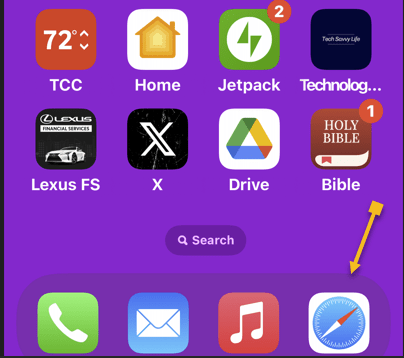
First, open Safari. Refer to the below image:
Selecting the Safari app
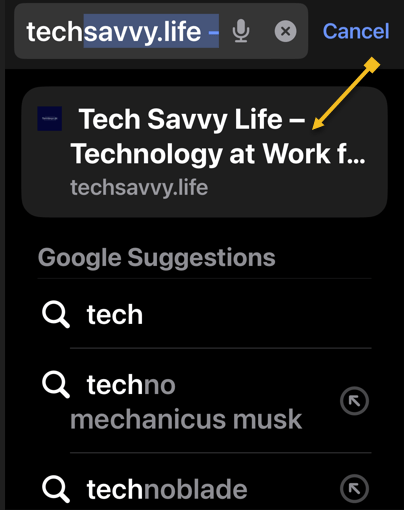
Next, search and open a webpage. We are opening TechSavvy.Life. See the below image:
Opening a webpage in Safari
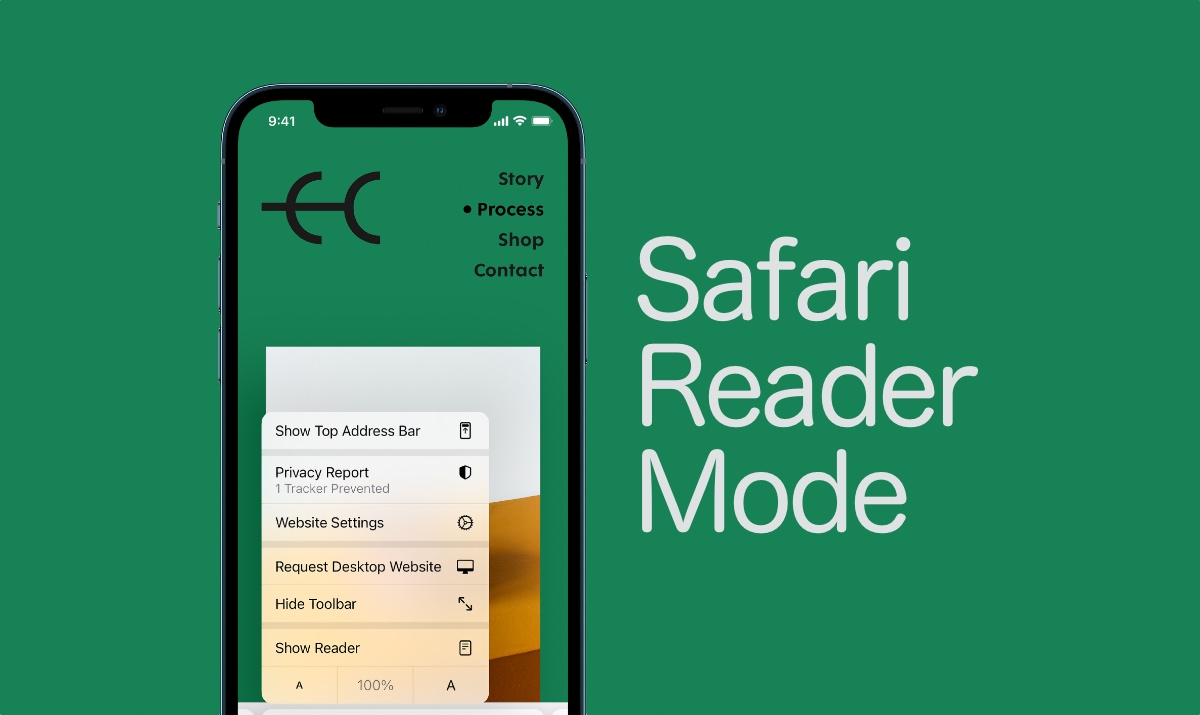
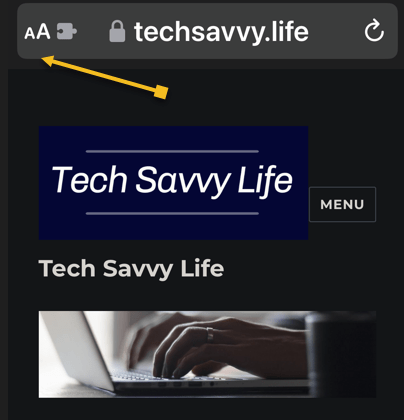
Now, tap the Reader Mode icon (the aA icon) in the upper left corner.
Note! For whatever reason. not all websites support the Reader view. Most likely because they do not want you to miss their advertisements.
See the following image:
Selecting the Reader Mode icon
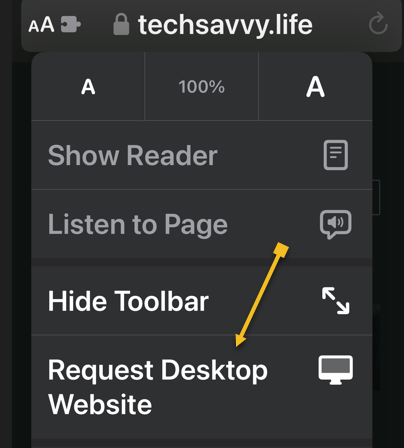
Next, tap the Request Desktop Website option. Refer to the below image:
Selecting the Request Desktop Website option
You can now browse the desktop version of the website, taking advantage of any features that do not exist on the mobile site.
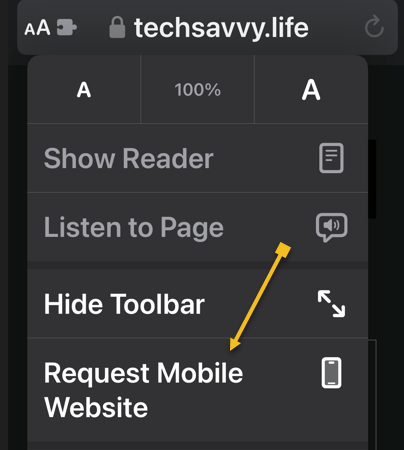
Now, if you want to switch back to the mobile site, with the webpage open, tap the Request Mobile Website option. See the below page:
Selecting the Request Mobile Website option
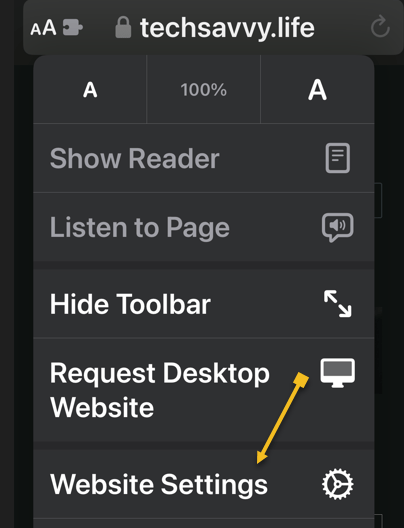
Next, you may want to view the webpage automatically in Reader Mode. If so, while viewing the webpage, tap the Website Settings option. See the following image:
Selecting the Website Settings option
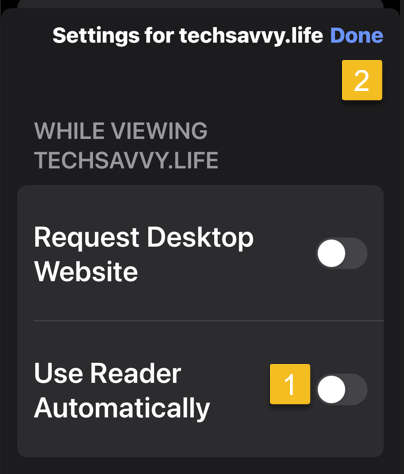
Now, toggle Use Reader Automatically to ON then tap Done, Refer to the below image:
Setting the Use Reader Automatically toggle to ON
Disclaimer
Technology is always changing. Rarely is there static tech for smartphones and desktops. Thus, the contents of this post are only valid at the time of writing. Blog posts older than six months may have directions incompatible with your device or OS. Hopefully, older post content will continue to work as advertised. Thank you for reading TechSavvy.Life for Technology at Work For You.
Quote For the Day
Success is not final, failure is not fatal: it is the courage to continue that counts.
Winston Churchill
Tweet Info
You are finished. Please feel free to share this post! One way to share is via Twitter.
Just click the Tweet icon below. This will launch Twitter where you click its icon to post the Tweet.
Checkout TechSavvy.Life for blog posts on smartphones, PCs, and Macs! You may email us at contact@techsavvy.life for comments or questions.
Please feel free to leave a comment. I would love to hear from you. Do you have a computer or smart device tech question? I will do my best to answer your inquiry. Just send an email to contact@techsavvy.life. Please mention the device, app, and version you are using. To help us out, you can send screenshots of your data related to your question.
Author’s E-Book
You can access the E-book from a Kindle device, or the Kindle App for a desktop or smartphone. The apps are free.
The author’s Vietnam eBook on the Battle for Tra Bong Vietnam: Events and Aftermath
The content provides a guide on safeguarding personal information from appearing in Google search results. Users can monitor their information’s visibility and request removal if necessary. Specific steps are outlined for monitoring, requesting removal, and reporting illegal content. .
This is for devices using Google Search. Works best on a desktop/laptop. Screenshots are from Windows 10
Table of Contents
Learn When Your Information Appears Submit a Manual Request Illegal Activity Find Your Results Step 1: Find Results About You Step 2: Review the Results About You Step 3: Request Removal of Results About You View Your Results Step 1: Report URLs on Google Search Step 2: Check for Email Confirmation Step 3: Monitor the Status of Your Requests Policy Requirements for Removal Requests Invisible? Not! Email Notifications Related
Looking for more privacy? Here’s how to remove your phone number, email, physical address, and lots of other personal data about yourself from Google’s search results.
Personally Identifiable Information (PII) is what every bad actor wants. If they get their hands on it, it can be used to rob, impersonate, or even endanger you on the internet and in the real world. One of the prime places to find it is via Google, and while Google can not stop that info from appearing on other websites, you can try to remove it from search results.
Let’s explore how to get notified when your PII appears in a search and how to tell Google to stop it from happening again. Like with other endless settings and features in Google, this is a complex process.
Learn When Your Information Appears
You are unable to tell Google to delete your info if the search is not even finding and displaying it. Google has an option to notify you when that happens.
The spot to visit is called the Results About You activity page. You have to be logged into Google for it to work. Follow the prompts on the screen as Google asks you for your physical addresses, emails, and phone numbers. Tell Google how you want to be notified (email or push notification via the Google app). Then wait. Refer to the below images:
Your Get Started pageFill in your criteriaHow to be notifiedGoogle Search is working
After a few hours, you should receive a report from Google on what’s turning up that’s yours PII-wise. You can also just go back to the Results About You page to check it. Plus, you can tick off the boxes next to any result you want to make sure is removed from the search. The status of your request will also be displayed (eventually). Just be patient.
Submit a Manual Request
The above is just your address/contact Info. Google will also let you request to remove other things online that you may find harmful. That includes:
National/government ID numbers
Bank accounts
Credit card numbers
Personal signatures
Login info and credentials
Medical records
“Irrelevant pornography” (that is, explicit material somehow tied to your name)
Login credentials
Deepfake porn you may appear in against your will
You can request this without even having to prove that the data floating out there is a problem (with some exceptions).
If you own the website displaying the information you do not want to show, Google spells out how to block a URL or specific site pages from Google search results.
Removing info requires that you know if it is appearing only in Google search results or in results on a separate website. If the latter, Google may not be very effective, and it asks whether you have contacted the site’s owner first to remove the information. It also suggests ways to get in touch with a site.
Maybe you do not want to get in touch with a site or you have already tried and were unsuccessful. Google asks you a series of questions, such as what type of info you would like removed, narrowing it down to one specific thing when possible. It will also ask whether the content is being shared with the intent of doxing you; that’s when someone shares your PII with the intent to harm you. You may need to enter a lot of data, but the more detail you provide, the less likely it is that Google will have to follow up with you before nuking the PII in search results.
Google says if your PII appears on a live page you control and you have already updated it to remove the information, it should eventually go away. But the page might be cached by the search engine, so you should request to remove outdated web pages. You will need specific URLs for the pages; you can submit up to 1,000 on the form. See the following images:
Request to refresh outdated contentSubmit your request
Illegal Activity
If you see something in a Google search that’s illegal, such as potentially criminal content, intellectual property infringement, or Child Sexual Abuse Material (CSAM), Refer to the below image:
Find and Remove Personal Contact Info in Google Search Results
When you use Results about you, you can find out if your personal contact info, like your home address, phone number, or email address shows up in search results.
Find Your Results
Step 1: Find Results About You
Go to the Results about you page.
In the Google App:
Log in to the Google app.
To open the menu, click your Google Account avatar.
From the menu, select Results about you.
From the mobile web or desktop:
Log in to your Google Account.
To open the menu, click your Google Account avatar.
From the menu, select Manage your Google Account > Data & privacy.
In the History settings, select My Activity > Other activity.
Scroll down to the Results about you section, and select Manage results about you.
Select Get started or Settings.
Enter your name and the contact info that you want to find in search results.
Google uses this information to check for search results that show this info.
You can also enter these types of contact info in the form:
Nickname
Maiden Name
Multiple personal phone numbers
Multiple addresses
Multiple email addresses
Set up notifications
You can choose to receive email notifications if Google finds results with your contact info. You can also receive push notifications through the Google app. If you have notifications on, you will receive a notification to let you know if the results match your info. After that, you will receive a new notification when new results are found that match your contact info.
Step 2: Review the Results About You
If you have notifications on, you will get a notification within a few hours to let you know if any search results match your name and personal contact info. You can also check directly from the Results about you page.
To view your results, from the Results about you page, go to the Results to review tab.
When you select a result, you can learn more about it, like the website it’s from, or the contact info it contains.
Step 3: Request Removal of Results About You
If you see a result that you would rather keep private, you can request to remove it from search results.
To remove more than one result, select the checkbox next to each result, then click Request to remove.
To remove a single result, select the result to expand, then click Request to remove.
If you do not want to start a removal request, you can also choose Mark as reviewed.
Google considers some results valuable to the public. These can include government or educational websites, online newspapers, or business websites. If your result is from a website like this, you won’t find a Remove result option.
To confirm your removal request and for status updates when your request has been reviewed, you will get an email. You can check the status of your requests anytime from Results about you under Removal requests.
View Your Results
Step 1: Report URLs on Google Search
On desktop or mobile, log in with your Google Account.
You will get an update on the status of your requests through the email address associated with your account.
If you want to request the removal of a result for someone else, or if you do not want to log in, you can use the detailed removal request form instead.
On Google Search, search for your name.
To find results that show your personal contact info, you can search for your name and your home city, or your name and your home address.
To reach About this result panel, click More.
Select Remove result > It shows my personal contact info.
Go through the reporting flow.
Submit your request.
After you submit your request, select I’m done.
Tip: Make sure to enter your name and the personal contact info shown on the result page exactly as they appear on the result. For example, if the result shows:
Additional Information
Your nickname: Enter your nickname in the form.
An old home address: Enter the old home address in the form.
More than one type of contact info: You only need to include one type of contact info in your request form. This includes your phone number and your home address.
More than one type of contact info: You do not need to submit multiple removal requests for the same URL.
Step 2: Check for Email Confirmation
Within the next few hours, you will receive an email confirmation that your request was submitted.
After you select a specific request, you can check details like the:
Link to the page you flagged
Submission day and time
Request ID
Contact info you flagged on the page
Tip: There may be a delay between when a request is approved and the result is removed from search results. You can check if your info is already removed within a few hours after it was approved.
Policy Requirements for Removal Requests
After you submit a request, Google will review it to make sure it meets policy requirements for removal. Requests must meet the following policy requirements:
The contact info displayed on the result has to be your personal info. To request to remove professional info that’s been posted with the intent to harm you, use the detailed removal request form.
You do not control the info yourself. This means contact info that you can remove from the internet yourself, like info on a social media page or a personal blog that you own.
As Google Search seeks to provide users with useful info, it won’t remove info that’s valuable to the public. For example, Google won’t remove results for web pages that are owned by:
Educational or government institutions
Newspapers
See the following image for your request being processed:
Your removal request is in process
For now, just wait while Google processes the request. When Google has finished the Removal requests status will change. Refer to the below image:
Your removal request is approved
You will receive a Request approved notification. Just click the See details button for additional information. Refer to the below image:
Confirmation of your removal request
Your removal request details are now displayed. See the following image:
Details of your removal request
Invisible? Not!
Scrubbing the search engines of your digital footprint is not the same as taking it off the internet. Search engines did not put the info out there; they indexed it, grabbing the data from some other source. They might snag it again from a different source.
You are never going to be completely free of search engine results unless you delete any traces of yourself and get offline entirely. You could always try services such as Abine’s DeleteMe or other personal data removal services and many others, which do what they can to prevent your information from being used by data brokers, though for a subscription fee.
Until you delete all your old email accounts, stop using mobile apps and location services, quit social media, stop online shopping, and never sign into anything ever again, some entity will have something on you. Trying to hide something only makes it easier to find.
Email Notifications
Once you have set up Google Search based on your criteria, you will receive emails regarding new search results about you. Refer to the below image:
Technology is always changing. Rarely is there static tech for smartphones and desktops. Thus, the contents of this post are only valid at the time of writing. Blog posts older than six months may have directions incompatible with your device or OS. Hopefully, older post content will continue to work as advertised. Thank you for reading TechSavvy.Life for Technology at Work For You.
Quote For the Day
You don’t learn to walk by following rules. You learn by doing and falling over.
-Richard Branson
Tweet Info
That’s it. Please feel free to share this post! One way to share is via Twitter.
Just click the Tweet icon below. This will launch Twitter where you click its icon to post the Tweet.
Checkout TechSavvy.Life for blog posts on smartphones, PCs, and Macs! You may email us at contact@techsavvy.life for comments or questions.
Please feel free to leave a comment. I would love to hear from you. Do you have a computer or smart device tech question? I will do my best to answer your inquiry. Just send an email to contact@techsavvy.life. Please mention the device, app, and version you are using. To help us out, you can send screenshots of your data related to your question.
Author’s E-Book
You can access the E-book from a Kindle device, or the Kindle App for a desktop or smartphone. The apps are free.
The author’s Vietnam eBook on the Battle for Tra Bong Vietnam: Events and Aftermath
The Apple Maps app’s Flyover feature provides an immersive 3D city tour experience. Users can select a city, initiate the tour, pause, and exit at will. This augmented reality feature offers a unique way to explore cities worldwide from the comfort of your home, with new cities continually being added.
This is for the iPhone running iOS 17.3+. Screenshots are from iPhone 14 Pro running iOS 17.4
Did you know you can take a city tour from the comfort of your home with the Apple Maps app? Apple has a Flyover feature which allows you to view 3D modeling of large worldwide cities.
Flyover is an AR (augmented reality) feature to view a city in various ways as you move your iPhone around. For example, if you position your iPhone parallel to the floor, you can see a complete bird’s-eye view of cities such as New York, Florence, Paris, or Rome.
Selecting a City
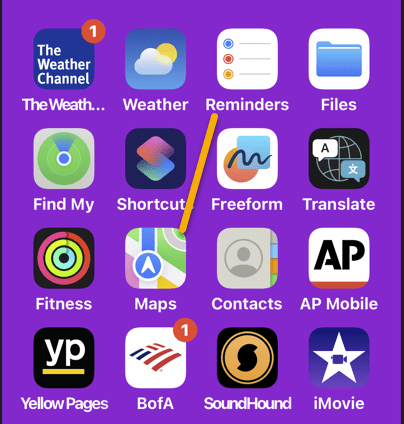
First, locate and open the Maps app. Refer to the below page:
Selecting the Maps app
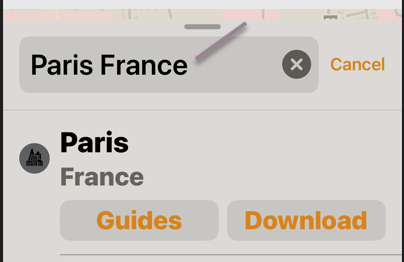
Next, search for a city, such as Paris, France. See the below image:
Entering a City to flyover
Now, tap the Flyover button. See the following image:
Selecting the Flyover option
Next, you will see an AR of the City! You can look around by turning your iPhone or by swiping the screen. Refer to the below image:
AR view of your city
Start Your City Tour
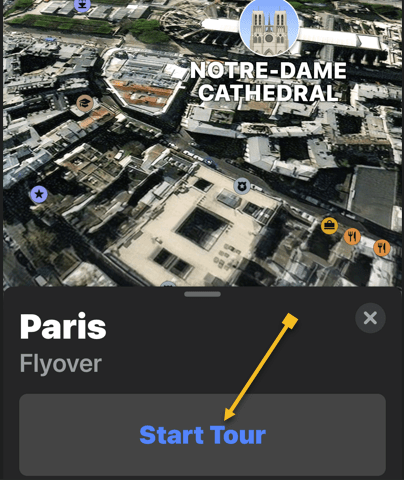
Now, tap Start Tour. See the below image:
Selecting the Start Tour button
Next, you will view a tour around the city, stopping at various monuments and landmarks with the names listed at the bottom. See the following image:
Viewing a specific site in your city
Pause Your City Tour
Now, you can pause the tour by tapping Pause Tour. Refer to the below image:
Selecting the Pause Tour button
Next, you can also deviate from the tour if you would like to see something better. When you let go of the screen, the tour will continue. See the below image:
A different view
End Your City Tour
You can exit the tour at any time by tapping the “X.” Icon. See the following image:
Selecting to Exit the tour
Apple should continue adding more cities to the Flyover feature. You can also click to view the complete list of cities set up for the Flyover feature.
Disclaimer
Technology is always changing. Rarely is there static tech for smartphones and desktops. Thus, the contents of this post are only valid at the time of writing. Blog posts older than six months may have directions incompatible with your device or OS. Hopefully, older post content will continue to work as advertised. Thank you for reading TechSavvy.Life for Technology at Work For You.
Quote For the Day
The true entrepreneur is a doer, not a dreamer.
Jan Bushnell
Tweet info
That’s it. Please feel free to share this post! One way to share is via Twitter.
Just click the Tweet icon below. This will launch Twitter where you click its icon to post the Tweet.
Checkout TechSavvy.Life for blog posts on smartphones, PCs, and Macs! You may email us at contact@techsavvy.life for comments or questions.
Please feel free to leave a comment. I would love to hear from you. Do you have a computer or smart device tech question? I will do my best to answer your inquiry. Just send an email to contact@techsavvy.life. Please mention the device, app, and version you are using. To help us out, you can send screenshots of your data related to your question.
Author’s E-Book
You can access the E-book from a Kindle device, or the Kindle App for a desktop or smartphone. The apps are free.
The author’s Vietnam eBook on the Battle for Tra Bong Vietnam: Events and Aftermath
This is for the iPhone with a subscription to Apple Music. Screenshots are from iPhone 14 Pro running iOS 17+
Late Night is so titled because it enables you to hear sound better at a lower volume. So if you have Late Night selected for your EQ setting, you will notice a small but significant difference in the loudness of music on your iPhone when using the Apple Music app. This tip is ideal when you are without headphones or a speaker. Let’s explore this simple feature.
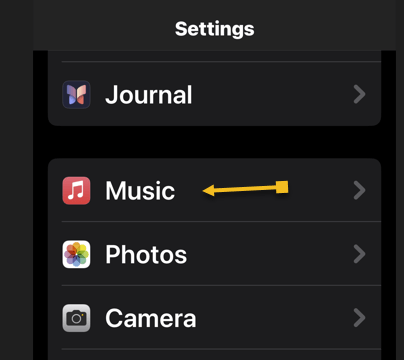
First, open the Settings app and select Music. Refer to the below image:
Selecting the Music option
Now, scroll down and tap EQ. See the below image;
Selecting the EQ option
Next, from the list, select Late Night. See the following image:
Selecting the Late Night sound
Just for fun, you may want to try out other EQ options.
Disclaimer
Technology is always changing. Rarely is there static tech for smartphones and desktops. Thus, the contents of this post are only valid at the time of writing. Blog posts older than six months may have directions incompatible with your device or OS. Hopefully, older post content will continue to work as advertised. Thank you for reading TechSavvy.Life for Technology at Work For You.
Quote For the Day
Make it happen now, not tomorrow. Tomorrow is a loser’s excuse.
Farrah Gray
Tweet Info
That’s it. Please feel free to share this post! One way to share is via Twitter.
Just click the Tweet icon below. This will launch Twitter where you click its icon to post the Tweet.
Checkout TechSavvy.Life for blog posts on smartphones, PCs, and Macs! You may email us at contact@techsavvy.life for comments or questions.
Please feel free to leave a comment. I would love to hear from you. Do you have a computer or smart device tech question? I will do my best to answer your inquiry. Just send an email to contact@techsavvy.life. Please mention the device, app, and version you are using. To help us out, you can send screenshots of your data related to your question.
Author’s E-Book
You can access the E-book from a Kindle device, or the Kindle App for a desktop or smartphone. The apps are free.
The author’s Vietnam eBook on the Battle for Tra Bong Vietnam: Events and Aftermath
This is for the iPhone. Screenshots are from iPhone 14 Pro running iOS 17+
Do you regularly call extensions for your work or personal phone calls? If so, you are probably sick of dialing through phone trees to reach the person you want to reach. We will show you how to dial an extension on iPhone to skip the whole phone-tree nonsense, and how to add an extension to a phone number in Contacts for later use.
We will start by showing you how to dial an extension on your iPhone. Then, in the next section, we will cover how to add an extension to a phone number in iPhone Contacts.
Dial an Extension
Open the Phone app, and tap the Keypad tab if it is not already selected.
Dial the main number you are calling, then tap and HOLD the “*” key (asterisk) until a comma appears. The comma acts as a pause and lets your phone know it’s dialing an extension.
Now enter the extension number after the comma.
Tap the green phone Call button and you will dial straight to the person you are trying to reach.
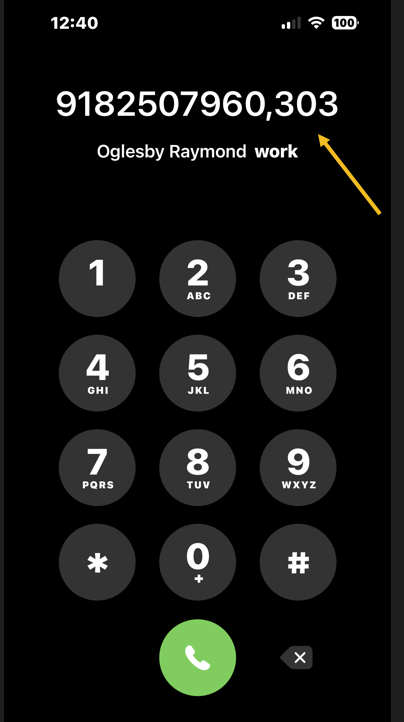
Refer to the below image:
Dialing a phone number with an extension using the keypad
That’s all there is to it! Now, you know how to dial an extension on your iPhone.
Add Extension to a Contact
If you plan to regularly call a phone number extension, you can save it in your Contacts. That way, the next time you go to dial the extension, it will already be saved as it needs to be dialed.
Open the Contacts app.
Tap on the contact if you want to add an extension. If you do not already have the number saved, simply create a new contact by tapping the “+” plus icon.
Tap Edit in the upper-right corner.
Tap the number you are adding the extension to, or tap the “+” icon next to the phone to add a new phone number for the contact.
Tap the Symbols button on your keyboard.
Now tap the Pause button.
Now enter the extension.
Tap Done to save.
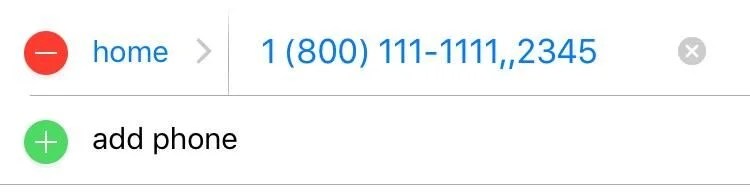
See the below image:
Adding a phone number with an extension to a Contact
Now you can dial an extension before you even get to the operator, and you can also add an extension to a phone number in your iPhone Contacts.
Disclaimer
Technology is always changing and rarely is there static tech for smartphones and desktops. Thus, the contents of this post are only valid at the time of writing. Blog posts older than six months may have directions incompatible with your device or OS. Hopefully, older post content will continue to work as advertised. Thank you for reading TechSavvy.Life for Technology at Work For You.
Quote For the Day
Be undeniably good. No marketing effort or social media buzzword can be a substitute for that.
Anthony Volodkin
Tweet Info
You are finished. Please feel free to share this post! One way to share is via Twitter.
Just click the Tweet icon below. This will launch Twitter where you click its icon to post the Tweet.
Checkout TechSavvy.Life for blog posts on smartphones, PCs, and Macs! You may email us at contact@techsavvy.life for comments or questions.
Please feel free to leave a comment. I would love to hear from you. Do you have a computer or smart device tech question? I will do my best to answer your inquiry. Just send an email to contact@techsavvy.life. Please mention the device, app, and version you are using. To help us out, you can send screenshots of your data related to your question.
Author’s E-Book
You can access the E-book from a Kindle device, the Kindle App for the desktop or smartphone, which is a free app.
The author’s Vietnam eBook on the Battle for Tra Bong Vietnam: Events and Aftermath
This is for the iPhone running iOS 16 or above. Screenshots are from iPhone 14 Pro running iOS 17+
For those who love printing physical documents instead of staring at them on their iPhones, this Reminders app trick is a must-have! We will show you how to print lists from the Reminders app on your iPhone so you can check things off your to-do list.
Select Your List
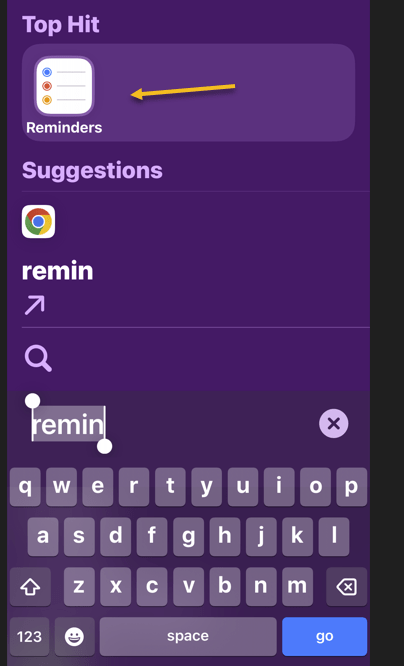
First, open the Reminders app. Refer to the below image:
Open your Reminders app
Next, select the list you would like to print. See the below image:
Select your list
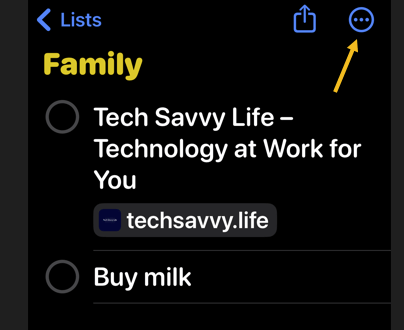
Now, tap the Nenu icon (the three dots) in the top-right corner of your screen. See the following image:
Select the Menu option
Select Your Printer
Next, tap Print. Refer to the below image:
Select the Print option
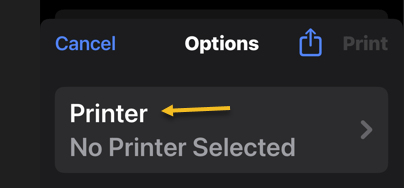
Now, if a printer is not already selected, tap Printer. See the below image:
Select the Printer option
Next, select the printer you would like to use. See the following image:
Select your Printer
Set Your Print Options and Print
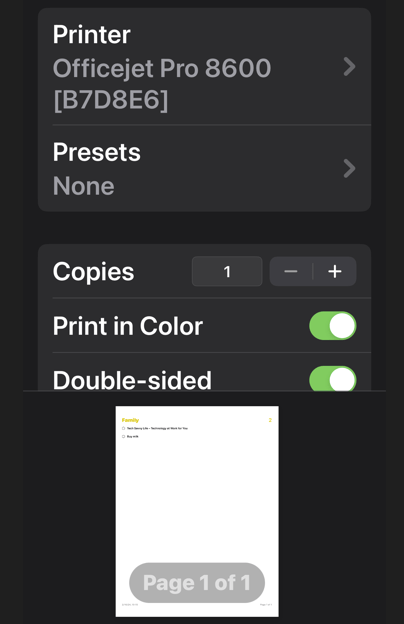
Now, set the options you want to use for printing. Refer to the below page:
Select your Print options
Next, tap Print. See the below image:
Print your Reminders list
You can now bring your list to the store or give out physical to-do lists to your family members as needed.
Additionally, you can use the Print option in the Notes app to print a note list.
Disclaimer
Technology is always changing. Rarely is there static tech for smartphones and desktops. Thus, the contents of this post are only valid at the time of writing. Blog posts older than six months may have directions incompatible with your device or OS. Hopefully, older post content will continue to work as advertised. Thank you for reading TechSavvy.Life for Technology at Work For You.
Quote For the Day
Make it happen now, not tomorrow. Tomorrow is a loser’s excuse.
Farrah Gray
Tweet Info
You ar finished. Please feel free to share this post! One way to share is via Twitter.
Just click the Tweet icon below. This will launch Twitter where you click its icon to post the Tweet.
Checkout TechSavvy.Life for blog posts on smartphones, PCs, and Macs! You may email us at contact@techsavvy.life for comments or questions.
Please feel free to leave a comment. I would love to hear from you. Do you have a computer or smart device tech question? I will do my best to answer your inquiry. Just send an email to contact@techsavvy.life. Please mention the device, app, and version you are using. To help us out, you can send screenshots of your data related to your question.
Author’s E-Book
You can access the E-book from a Kindle device, or the Kindle App for a desktop or smartphone. The apps are free.
The author’s Vietnam eBook on the Battle for Tra Bong Vietnam: Events and Aftermath
The post discusses methods for deleting Facebook Messenger chats on iPhone and desktop. It advises changing message retention settings on the iPhone and provides steps for deleting messages on both platforms. It also mentions using Chrome extensions for bulk deletion.
This is for the iPhone and desktop using Google. Screenshots are from iPhone 14 Pro running iOS 17.3 and Windows 10.
I was surprised at the number of Facebook Messenger chats on my iPhone. I started to delete them one at a time. But doing so was too time-consuming; there had to be a better way.
If you research this post, you will find articles that say bulk deletion of chats cannot be done. But with the help of Google Extensions, you can delete all your chats at once.
This blog post is one of my favorites, especially since I have thousands of chats that I want to delete. We had forgotten that the Forever option was selected, which as you may guess, saves your chats forever.
Where is a chat, a message, a conversation, or a thread used?
A chat is a term used in Messenger (owned by Facebook). A message is a term found on Facebook. In Facebook if there is more than one message with a person, group, or entity, that is labeled a conversation. For a thread, that is used in Reddit.
Check Your Settings
Why do you have hundreds or thousands of chats? On your iPhone head to:
Settings > Messages > Keep Messages
and tap the option. If the option is set to Forever you will have lots of chats. Refer to the below image:
Your Facebook Message time setting
We recommend you choose another option. When you do so, all older chats will be automatically deleted. We are selecting to delete messages older than one year. On the confirmation screen, tap Delete Older Messages. See the below image:
Selecting to delete messages older than one year
Your Keep Messages will now be set to the option you just chose. See the following image:
Your Keep Messages setting
Deleting Facebook messages does not have to be incredibly difficult. Whether you are deleting one or an entire history, there are options for you to do both with minimal effort.
Some users may find it easier to delete their entire Facebook account, although we do not recommend this. For now, let’s just clean up your messages/chats.
Using iPhone
Deleting messages on an iPhone or iPad one at a time:
Open the Facebook Messenger app.
Tap and hold the message that you no longer want, then swipe to the left.
When the menu appears, select Delete.
Confirm the selection by tapping Delete.
If you want to delete in bulk, it would be best to use a browser.
Using a Browser
Log into your Facebook account.
Click See all in Messenger.
Click on the 3-dot menu icon next to a conversation.
Click Delete Chat if you want to erase all the chats.
Confirm your deletion by clicking Delete Chat.
But what can you do about multiple messages and multiple conversations? For this, you have to install a third-party browser extension.
Using a Chrome Extension
Extensions become a part of your web browser and allow you to perform various functions on a website. To delete multiple or all of your Facebook message history, we need to install a web browser extension.
Whether it’s Chrome, Firefox, or Internet Explorer, we will begin by using Google to pull up the Web Store.
Note! You will find a lot of Chrome extensions for deletion of messages. We strongly recommend only using the following extensions from the Chrome web store, not from third-party web sites.
Extension: Delete Facebook Messages
You want to use Google Search to find the “Delete Facebook Messages” extension. Once you have found it, click Add to Chrome. Refer to the below image:
Adding Delete Facebook Messages Chrome extension
You will be prompted through various pop-ups until that extension is added. To view the added extension:
Click the 3-dot menu icon in the upper right-hand > Exenesions > Manage Extensions
See the below image:
Delete Facebook Messages Chrome extension
Now, let’s add the extension icon to the Chrome toolbar. Click the Details option. See the following image:
Selecting Details for the Chrome extension
Next, toggle the Pin to toolbar to ON. Refer to the below image:
Toggle Pin to toolbar to ON
Now, the Delete Facebook Messages icon will be in your toolbar. See the below image:
The Chrome extension icon
Next, click the Delete Facebook Messages icon and choose the Begin Deletion option. See the following image:
Launching the Chrome extension
Note! To use this extension more than once, there is a subscription fee.
Extension: Message Cleaner
To install the Chrome extension, search for Message Cleaner using Google Search, then select Add to Chrome. Refer to the below image:
Adding the Message Cleaner Chrome extension
Follow the directions above to add its icon to the toolbar.
The extension icon will be labeled Delete all Facebook Messages in your Chrome toolbar. When you click the extension icon you can Open Messages and Delete All Messages. For one-click deletion, press the F8 key. See the below image:
Launching the Message Cleaner Chrome extension
This extension works best if you scroll down to the bottom of the message list. Once you start the extension, it will recognize all the messages as being selected for removal. You can also then pick individual messages that you may want to save.
If you selected “all” before clicking “confirm,” the only way to get those messages back is to ask the person you sent them to for help or to use data recovery methods to retrieve backed-up information, assuming you have them backed up.
Disclaimer
Technology is always changing. Rarely is there static tech for smartphones and desktops. Thus, the contents of this post are only valid at the time of writing. Blog posts older than six months may have directions incompatible with your device or OS. Hopefully, older post content will continue to work as advertised. Thank you for reading TechSavvy.Life for Technology at Work For You.
Quote For the Day
Discipline is the bridge between goals and accomplishment.
Jim Rohn
Tweet Info
That’s it. Please feel free to share this post! One way to share is via Twitter.
Just click the Tweet icon below. This will launch Twitter where you click its icon to post the Tweet.
Checkout TechSavvy.Life for blog posts on smartphones, PCs, and Macs! You may email us at contact@techsavvy.life for comments or questions.
Please feel free to leave a comment. I would love to hear from you. Do you have a computer or smart device tech question? I will do my best to answer your inquiry. Just send an email to contact@techsavvy.life. Please mention the device, app, and version you are using. To help us out, you can send screenshots of your data related to your question.
Author’s E~Book
You can access the E-book from a Kindle device, or the Kindle App for a desktop or smartphone. The apps are free.
The author’s Vietnam eBook on the Battle for Tra Bong Vietnam: Events and Aftermath
This is for the iPhone. Screenshots are from iPhone 14 Pro running iOS 17+
If you struggle to make it through the day or just want to improve your iPhone battery a little, here is one thing you can do.
It all comes down to your phone’s Wi-Fi settings.
Some settings can search for open wireless networks and even notify you when one is available. This setting allows you to connect to open Wi-Fi networks easily, but it does come with a huge disadvantage; it leaves your phone constantly searching for those open networks throughout the day.
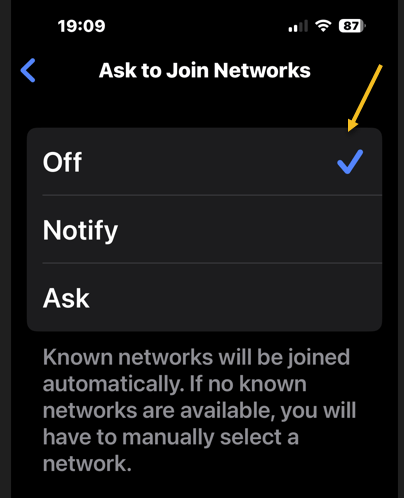
While it is not going to drain your battery extremely fast, using the Ask to Join Networks feature can drain your battery a little. By default, Apple has the iPhone set up to Notify you when an open network is available. However, you can turn this off to save power and improve your iPhone battery.
To turn off the Ask to Join Networks feature, head to:
Settings> Wi-Fi > Ask to Join Networks
This option is below the Other Networks section. If it is not set to off, tap on the option and then select OFF from the drop-down that appears to disable the feature. Refer to the below image:
Setting Ask to Join Networks to OFF
Disclaimer
Technology is always changing and rarely is there static tech for smartphones and desktops. Thus, the contents of this post are only valid at the time of writing. Blog posts older than six months may have directions incompatible with your device or OS. Hopefully, older post content will continue to work as advertised. Thank you for reading TechSavvy.Life for Technology at Work For You.
Quote For the Day
Should you find yourself in a chronically leaking boat, energy devoted to changing vessels is likely to be more productive than energy devoted to patching leaks.
Warren Buffett
Tweet Info
That’s it. Please feel free to share this post! One way to share is via Twitter.
Just click the Tweet icon below. This will launch Twitter where you click its icon to post the Tweet.
Checkout TechSavvy.Life for blog posts on smartphones, PCs, and Macs! You may email us at contact@techsavvy.life for comments or questions.
Please feel free to leave a comment. I would love to hear from you. Do you have a computer or smart device tech question? I will do my best to answer your inquiry. Just send an email to contact@techsavvy.life. Please mention the device, app, and version you are using. To help us out, you can send screenshots of your data related to your question.
Author’s E-Book
You can access the E-book from a Kindle device, the Kindle App for the desktop or smartphone, which is a free app.
The author’s Vietnam eBook on the Battle for Tra Bong Vietnam: Events and Aftermath
The latest iOS version introduced Visual Look Up, allowing iPhone users to easily identify car dashboard symbols by taking a picture. After snapping the photo, users can access the symbol’s meaning and further information. Visual Look Up can also identify objects in photos and videos, but may require adjusting angles and lighting.
This is for the iPhone. Screenshots are from iPhone 14 Pro running iOS 17+
Ever run into car trouble, and you are unsure what those symbols on your dashboard mean? Or, do you just want to know information about the symbols? Now, you can use your iPhone to easily identify car dashboard symbols and meanings by simply snapping a picture. Let’s explore how to use this cool new Visual Look Up feature.
With the latest version of iOS, you can now use Visual Look Up to easily identify your car dashboard’s symbols. This handy new feature makes diagnosing your car troubles a breeze.
First, open the Camera app, and snap a picture of the car dashboard symbols you want to identify. It’s best to take the photo in a dark environment. Refer to the below image:
Your dashboard symbols
Next, tap the Image Preview to open it. Then tap the Info icon at the bottom of the screen. It might change into a Steering Wheel icon. See the below image:
Accessing the Info icon
Now, tap Look Up Auto Symbol. See the following image:
Selecting the Look Up Symbol option
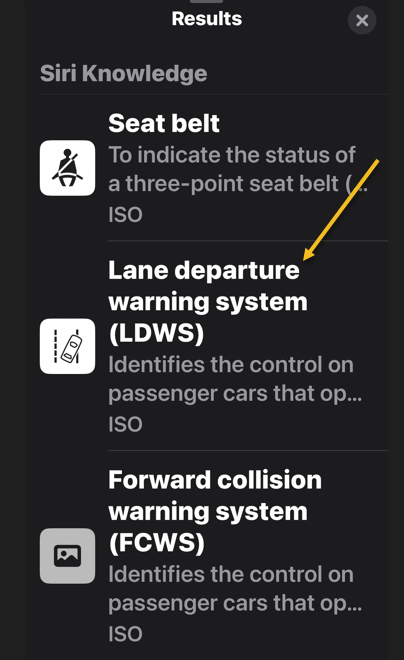
Next, your iPhone should display the meaning of the symbols. Refer to the below image:
Your car symbols result
Now, tap on the result entry to see more information. See the below image:
More information about the car symbol you selected
Now you know how to use Visual Look Up to identify your car’s maintenance symbols! Visual Look Up can be a tricky feature to get working right. If your iPhone is having trouble identifying your car dashboard symbols, try a different angle, moving closer or further away, different lighting, etc.
Also, Visual Look Up can be used to identify various objects in photos and videos.
Disclaimer
Technology is always changing and rarely is there static tech for smartphones and desktops. Thus, the contents of this post are only valid at the time of writing. Blog posts older than six months may have directions incompatible with your device or OS. Hopefully, older post content will continue to work as advertised. Thank you for reading TechSavvy.Life for Technology at Work For You.
Quote For the Day
I insist on a lot of time being spent, almost every day, to just sit and think. That is very uncommon in American business. I read and think. So I do more reading and thinking, and make less impulse decisions than most people in business. I do it because I like this kind of life.
Warren Buffett
Tweet Info
You are finished Please feel free to share this post! One way to share is via Twitter.
Just click the Tweet icon below. This will launch Twitter where you click its icon to post the Tweet.
Checkout TechSavvy.Life for blog posts on smartphones, PCs, and Macs! You may email us at contact@techsavvy.life for comments or questions.
Please feel free to leave a comment. I would love to hear from you. Do you have a computer or smart device tech question? I will do my best to answer your inquiry. Just send an email to contact@techsavvy.life. Please mention the device, app, and version you are using. To help us out, you can send screenshots of your data related to your question.
Author’s E-Book
You can access the E-book from a Kindle device, the Kindle App for the desktop or smartphone, which is a free app.
The author’s Vietnam eBook on the Battle for Tra Bong Vietnam: Events and Aftermath
This post discusses a solution for showing digital tickets on an iPhone lock screen to avoid unlocking the phone for scanning. It describes how to set up a lock screen wallpaper displaying the ticket, enabling easy access without compromising security. The process involves taking a screenshot, setting the image as a wallpaper, and switching back afterward.
This is for the iPhone. Screenshots are from iPhone 14 Pro running iOS 17+
What to Know
Problem With Apple Wallet
Lock Screen Solution
Show Digital Tickets on the Lock Screen
Summary
We hate giving our iPhones to strangers asking to scan a digital ticket with an unlocked screen. Yes, it’s incredibly easy to pull up a barcode or QR code on the screen so you can prove you have a valid ticket, loyalty program membership, or discount. And it’s very easy to add most of these digital tickets to Apple Wallet. In fact, you should do that whenever you can.
There will be instances where you may not perform the scan yourself. In such cases, you will have to unlock the iPhone, open the app that contains the digital ticket, and show or hand your phone to your friend. Now, we know the person handling my iPhone has better things to do than swipe up and snoop on our texts and photos. But it’s the principle of the thing.
The iPhone’s security is only as good as the Lock Screen password. And who knows what else can happen in a crowded place with people waiting for their tickets to be scanned?
But the iPhone’s Lock Screen offers a brilliant solution. We can set temporary wallpapers that display whatever digital ticket we might have to show to gain entry to an event or place. And we will never have to unlock the iPhone when handing it over to others to have a ticket scanned.
It’s incredibly easy to set up, and it’s an easy way to have all your digital tickets and subscriptions ready, whether they support Apple Wallet or not.
Problem With Apple Wallet
We mentioned Apple Wallet a few times, which is the place to store your credit cards, digital keys, and tickets. But to access its contents, you would still have to authenticate via Face ID, Touch ID, or your PIN to unlock the screen.
Also, not all apps support Apple Wallet. Or you might not be using Apple Wallet to begin with. Maybe you are using a code you photographed in real life. In such scenarios, you will not be able to add your digital tickets to Apple Wallet.
We also would point out that you can use both the Apple Ballet and the Lock Screen trick at the same time.
Lock Screen Solution
After the iOS 16 upgrade, we could use the Lock Screen customization support to set up as many wallpapers as we wanted and then just switch between them.
That is, screenshots of the digital ticket were the only way to do it is to hand off our iPhones.
Show Digital Tickets on the Lock Screen
Longtime iPhone users may have realized how the whole thing works. But if you still do not know how to pull it off, we will describe the steps below.
First, go to the app that shows the digital ticket. Maybe it’s an email or an app for an airline. Or a ticket to a concert, or a loyalty card you have to scan often. Whatever it is, find the barcode or QR code and take a screenshot.
You can crop the code if there’s a lot of stuff in the screenshot you do not need. We usually take a few seconds to crop the image.
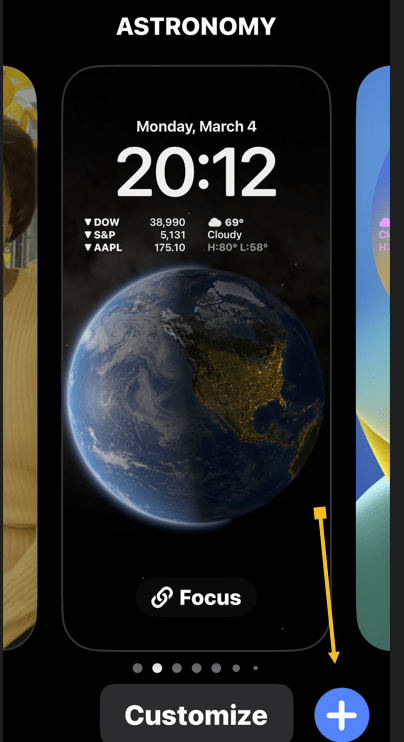
Next, go to the Lock Screen, tap, and hold it until the wallpaper carrousel pops into view. Refer to the below image:
Your lock screen
Now, tap on the Add New icon. See the below image:
Selecting to add a wallpaper
Next, go to Photos and tap All. See the following image:
Accessing your photos
Now, select the screenshot of the digital ticket you have just saved. Refer to the below image:
Your QR screenshot
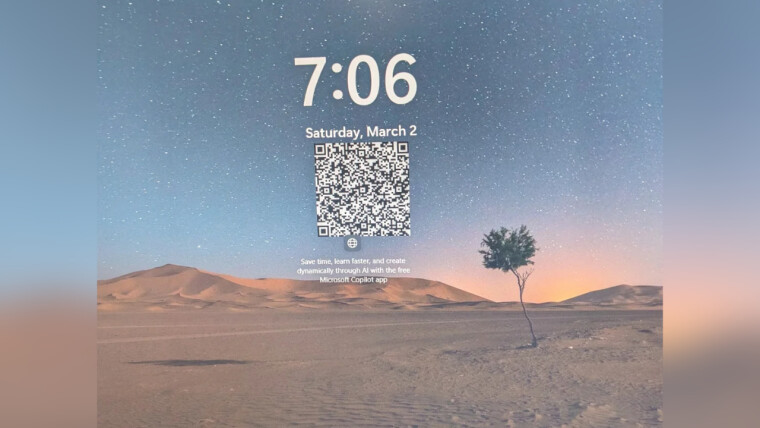
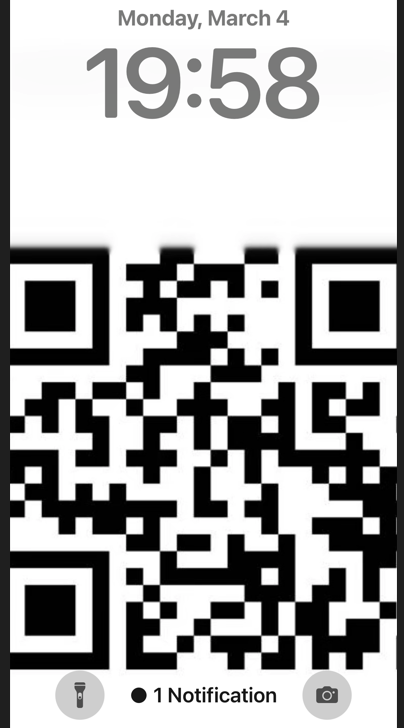
Next, comes the tricky part. Whether you have cropped the digital ticket in the screenshot or not, you will have to fit it on the Lock Screen. That means some cropping will follow as you will want to ensure that the code is not covered with any other elements, like screen widgets, the clock, or the Flashlight and Camera buttons. See the the below image:
Your finished lock screen with the QR code
As you can see, we have squeezed a QR code between the Flashlight and Camera buttons.
Now, once you have figured out the position of the digital ticket, save the wallpaper.
That’s it. You are now ready to have your ticket scanned.
Summary
Next time you give the phone to someone else to check their ticket, just hand them your iPhone without unlocking it. Tell them to tap the screen, and the ticket will come into view. Ask them to keep tapping the screen if they need more time because the screen will turn off quickly when your iPhone is locked.
Once you are done, switch back to the wallpaper you want to use.
You can repeat this for any type of digital ticket/membership you routinely have to show around. You can save as many Lock Screens as you want, so they cover all your memberships.
Remember, you should delete the Lock Screens once the digital tickets showing on them are no longer valid.
Disclaimer
Technology is always changing and rarely is there static tech for smartphones and desktops. Thus, the contents of this post are only valid at the time of writing. Blog posts older than six months may have directions incompatible with your device or OS. Hopefully, older post content will continue to work as advertised. Thank you for reading TechSavvy.Life for Technology at Work For You.
Quote For the Day
Don’t find customers for your products, find products for your customers.
Seth Godin
Tweet Info
That’s it. Please feel free to share this post! One way to share is via Twitter.
Just click the Tweet icon below. This will launch Twitter where you click its icon to post the Tweet.
Checkout TechSavvy.Life for blog posts on smartphones, PCs, and Macs! You may email us at contact@techsavvy.life for comments or questions.
Please feel free to leave a comment. I would love to hear from you. Do you have a computer or smart device tech question? I will do my best to answer your inquiry. Just send an email to contact@techsavvy.life. Please mention the device, app, and version you are using. To help us out, you can send screenshots of your data related to your question.
Author’s E-Book
You can access the e-book from a Kindle device, the Kindle App for the desktop or smartphone, which is a free app.
The author’s Vietnam eBook on the Battle for Tra Bong Vietnam: Events and Aftermath



























 Tech Savvy Life