How to Alphabetize Notes on iPhone and iPad

The Notes app on Apple devices sorts notes by default based on the most recent update. However, users can change settings to organize notes alphabetically by title or first line. This enhances note accessibility and organization. The guide also addresses setting defaults for new notes.

RAYMOND OGLESBY @RaymondOglesby2
June 3, 2025– 3 minutes read time

Can you alphabetize in Notes? Yes! By default, the Notes app sorts your notes by most recently updated. Even if you created a note years ago, if you edit that note, it will appear at the top of the list afterward.

But you can easily sort your notes alphabetically by changing your Settings. Your notes will then be sorted according to either the title or first line (if the note does not have a title). Let explore how to sort Apple Notes alphabetically on iPhone or iPad.

  • Alphabetize notes by note titles or the beginning of your note, instead of by date created or last edited.
  • Alphabetize notes on iPhone and iPad to make your notes more organized and easier to find.

This tip was performed on an iPhone 14 Pro running iOS 18.5.

Click here to learn how to update your iPhone to the latest iOS version.

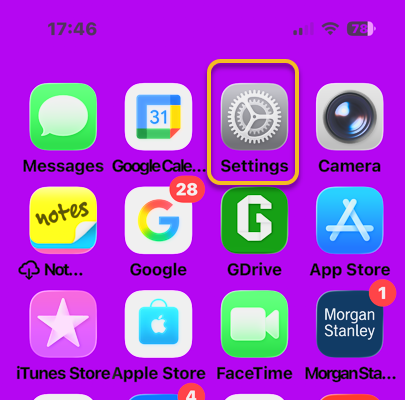
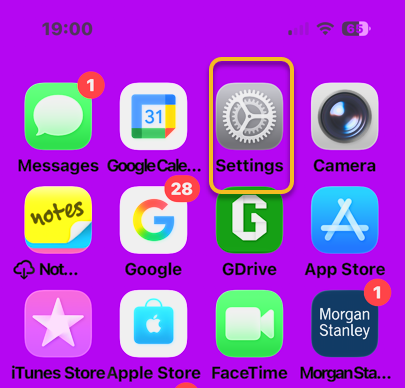
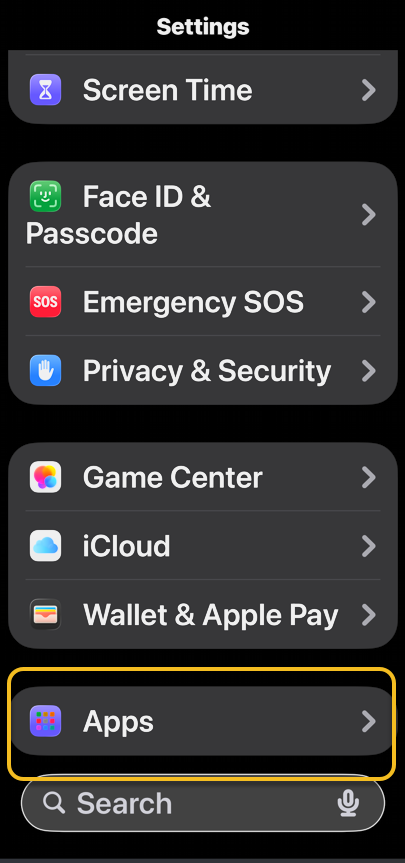
First, open the Settings app. Refer to below image:

Notes 1
Selecting Settings

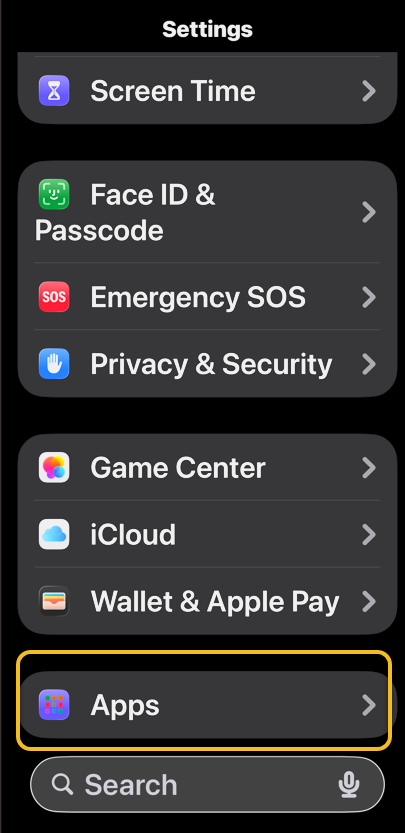
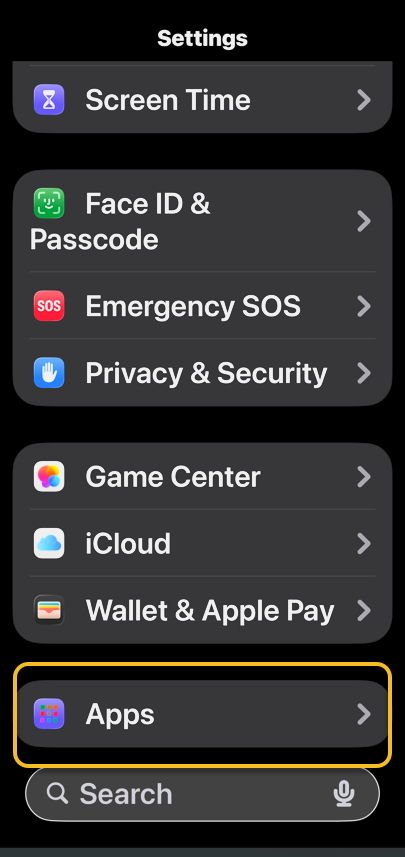
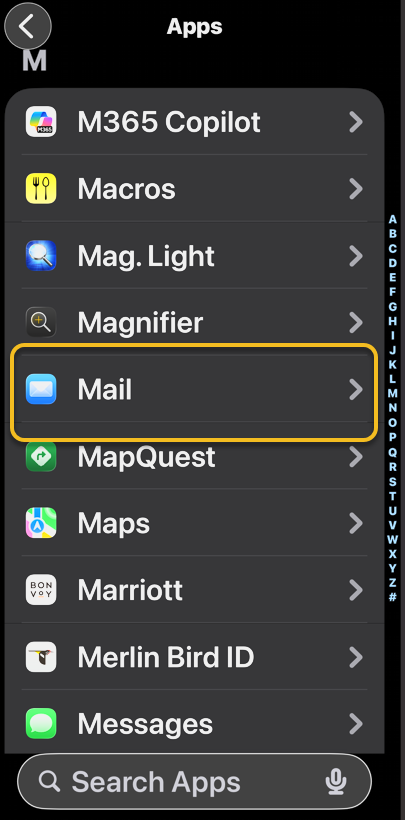
Next, scroll down and tap Apps. See the image below:

Notes 2
Selecting Apps

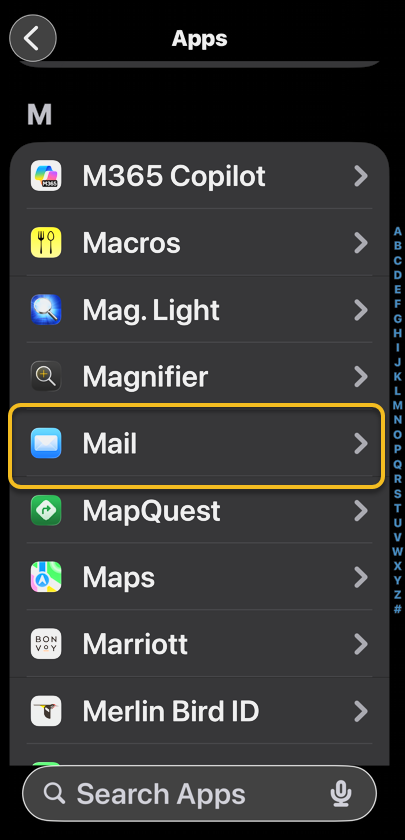
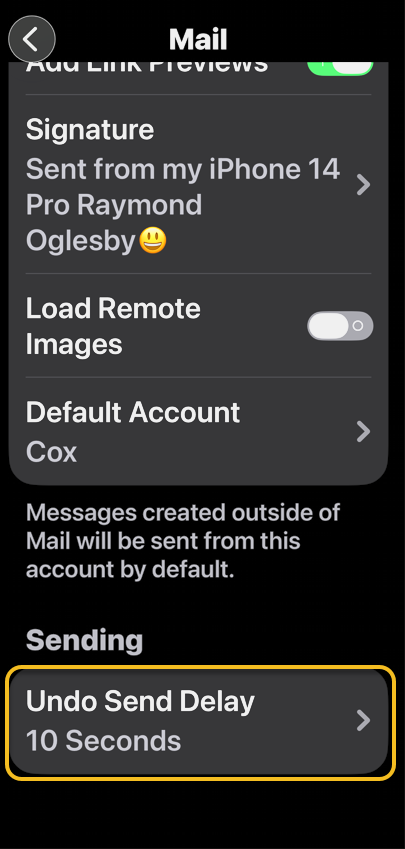
Now, rap Notes. See the following image:

Notes 3
Selecting Notes

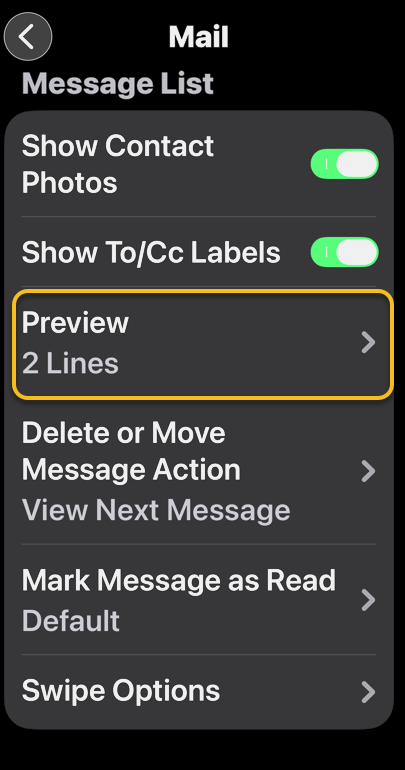
Next, tap Sort Notes By: Refer to image below:

Notes 4
Selecting the Sort Notes By option

Now, tap Title. See the image below:

Notes 5
Selecting the Title option

Choosing Title will sort your Notes alphabetically. You can also select Date Created if you would rather have all your notes sorted by the day each was started.

You may want to set a couple of defaults. One is to set the Title as the default heading for a New Note. See the following image:

Notes 6
Selecting the New Notes Start With Title option

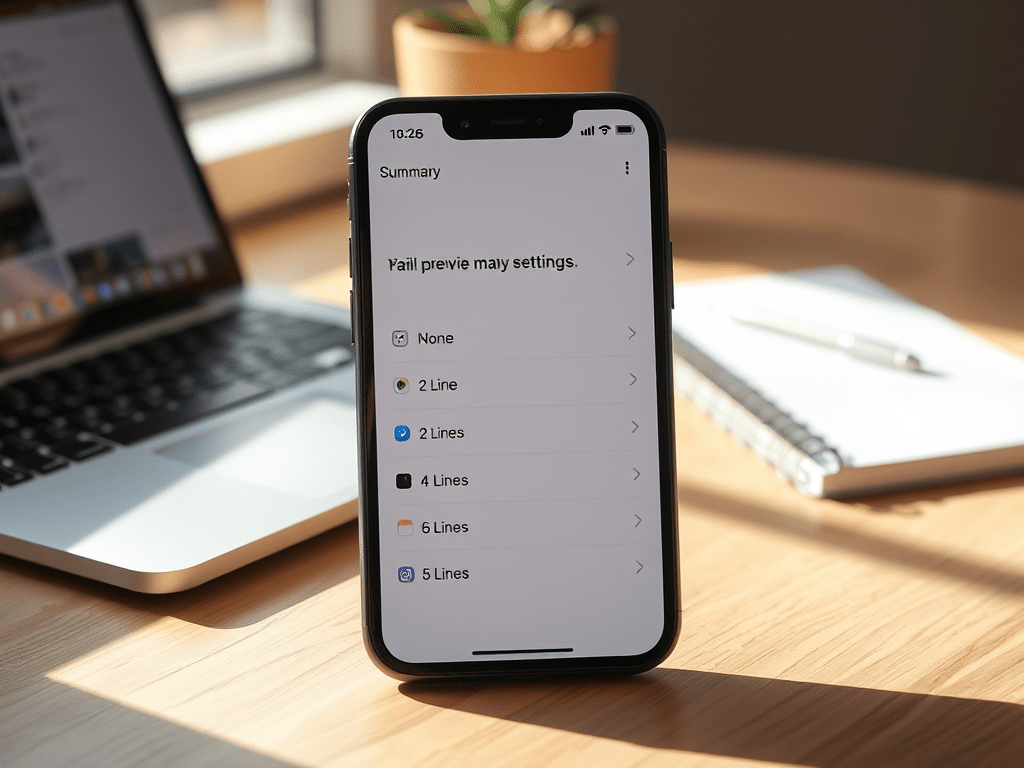
If you prefer a New Note with lines or grids, you can choose from various styles. Refer to the image below:

Notes 7
Selecting a Style for a New Note

Disclaimer

Technology is constantly evolving, and smartphone and desktop tech rarely remains static. Therefore, the information in this post is only accurate as of the date it was written. Blog posts that are older than six months may contain instructions that are no longer compatible with your device or operating system. We hope that the content from previous posts continues to function as intended. Thank you for reading TechSavvy.Life, where technology works for you.

“Technology is not just a tool. It can give learners a voice that they may not have had before.”

― George Couros

You are finished. Please feel free to share this post! One way to share is via Twitter.

Just click the Tweet icon below. This will launch Twitter where you click its icon to post the Tweet.

Checkout TechSavvy.Life for blog posts on smartphones, PCs, and Macs! You may email us at contact@techsavvy.life for comments or questions.

We value your feedback! Was this post helpful? Please share your comments with us. If you have a tech question related to your computer or smart device, feel free to reach out. Just send an email to contact@techsavvy.life, and be sure to include the device, app, and version you are using. To assist us further, you can also attach screenshots related to your inquiry.

Author’s eBook

The author’s Vietnam eBook on the “Battle for Tra Bong Vietnam: Events and Aftermath” can be accessed from a Kindle device or the Kindle App for a desktop or smartphone. The apps are free.
The author’s Vietnam eBook on the Battle for Tra Bong Vietnam: Events and Aftermath

How to Change Your iPhone Default Browser Easily

The post provides a step-by-step guide on how to change the default web browser on an iPhone from Safari to a preferred alternative, such as Chrome. It includes tips, system requirements, and FAQs regarding browser functionalities, catering to users seeking to customize their browsing experience on Apple devices.

RAYMOND OGLESBY @RaymondOglesby2
May 27, 2025 – 3 minutes read time

On Apple devices, Safari is the default browser. However, many people prefer to use other browsers, such as Chrome, instead of Safari. Fortunately, you can easily change the default web browser on your iPhone to your preferred one. Here’s how to change the default browser on an iPhone.

  • Easily change default browser from Safari.
  • You have different preferences than Apple’s standard browser.

This tip was performed in iPhone 14 Pro running iOS 18.5

Click here to learn how to update your iPhone to the latest iOS version.

First, open the Settings app. Refer to the image below:

Default Browser 1
Selecting Settings

Next, tap Apps. See the image below:

Default Browser 2
Selecting Apps

Now, scroll down to the app list to find your preferred browser, such as Chrome, and tap it. See the following image:

Default Browser 3
Selecting preferred browser

Next, tap Default Browser App. Refer to the image below:

Default Browser 4
Selecting Defsult Briwser App option

Now, tap whichever browser you would like to use as your default browser. See the image below:

Default Browser 5
Selecting a browser

Next, when you haveselected your new default browser, you will see a blue check mark next to it. See the following image:

Default Browser 6
Your preferred browser selected

Now that you know how to change the default browser on your iPhone, you can easily open links in your preferred web browser, whether it’s Safari, Chrome, Edge, or another browser.

  • How do I clear my Safari history on my iPhone? To clear your Safari history on an iPhone, tap the Bookmark icon, then the History tab, then choose which parts of your Safari history you want to delete. 
  • How do I make Safari the default browser again? Follow the same steps above and select Safari from Apps. Alternatively, if you uninstall the browser app that is set as default, your iPhone will automatically switch back to Safari.
  • What do I do if Safari is not working on my iPhone? If Safari is not working on your iPhone, make sure you have a strong Wi-Fi or cellular connection. Additionally, verify that Screen Time limits are not enabled.

Disclaimer

Technology is constantly evolving, and smartphone and desktop tech rarely remains static. Therefore, the information in this post is only accurate as of the date it was written. Blog posts that are older than six months may contain instructions that are no longer compatible with your device or operating system. We hope that the content from previous posts continues to function as intended. Thank you for reading TechSavvy.Life, where technology works for you.

 “Technology means you can now do amazing things easily, but you can’t easily do them legally.”

― Lawrence Lessig

That’s it. Please feel free to share this post! One way to share is via Twitter.

Just click the Tweet icon below. This will launch Twitter where you click its icon to post the Tweet.

Checkout TechSavvy.Life for blog posts on smartphones, PCs, and Macs! You may email us at contact@techsavvy.life for comments or questions.

We value your feedback! Was this post helpful? Please share your comments with us. If you have a tech question related to your computer or smart device, feel free to reach out. Just send an email to contact@techsavvy.life, and be sure to include the device, app, and version you are using. To assist us further, you can also attach screenshots related to your inquiry.

Author’s eBook

The author’s Vietnam eBook on the “Battle for Tra Bong Vietnam: Events and Aftermath” can be accessed from a Kindle device or the Kindle App for a desktop or smartphone. The apps are free.
The author’s Vietnam eBook on the Battle for Tra Bong Vietnam: Events and Aftermath

How to Add Another Face ID on iPhone

The article explains how to set up an Alternate Appearance for Face ID on iPhones, allowing other users to unlock the device in emergencies. This is useful for shared phones. Instructions are provided for adding a second face, including using it while wearing a mask. Full access is granted to added faces.

RAYMOND OGLESBY @RaymondOglesby2
May 20, 2025– 5 minutes read time

Face ID has been the default security feature for Apple’s smartphones since its debut. However, if you would like to share your iPhone with a partner, friend, or child, unlocking might be a little difficult. Fortunately, just like Touch ID allows you to save multiple fingerprints, there is a way to enable another person’s face to unlock your iPhone. Let’s explore how to add another Face ID.

  • Set up an Alternate Appearance for Face ID to allow other family members or friends to unlock your device in case of emergency.
  • If someone is sharing an iPhone, adding two appearances to Face ID ensures both users can get into the phone.

This tip was performed on an iPhone 14 Pro running iOS 18.4.1.

Click here to learn how to update your iPhone to the latest iOS version.

Before we begin, it’s essential to note that the Alternate Appearance option is designed to enable the use of Face ID and Apple Pay while wearing glasses, sunglasses, facemasks, hats, and other similar accessories.

Please be aware that if you set up this feature to add the face of a partner, friend, or child so that they can unlock your phone, they will have full access to your device.

Now, here’s how to add a second Face ID by adding an alternate appearance.

First, open the Settings app, and select Face ID & Passcode option. You will be prompted to enter your passcode to continue. Refer to the image below:

Face ID 1
Selecting the Face ID & Passcode option

Next, tap Set Up an Alternate Appearance option. See the image below:

Face ID 2
Selecting the Setup Up an Alternate Appearance option

Now, tap Get Started and follow the on-screen prompts to add a second face to Face ID. See the following image:

Face ID 3
Selecting Get Started, then Done when finished

Next, if you do not see the Set Up an Alternate Appearance button, you may already have an alternate appearance saved. The only way to remove an alternate appearance and add a new one is to tap Reset Face ID. When resetting Face ID, you will need to set up your own face again before setting up the alternate appearance. Refer to the image below:

Face ID 4
Selecting the Reset Face ID option

That’s how to add another face to Face ID. Once you have set up an Alternate Appearance for Face ID, they should have no problem using Face ID to unlock your device. This can be incredibly useful in the event of an emergency in which you are unable to unlock your phone yourself.

Be aware that if you have locked any apps with Face ID, any other faces you have saved as alternate appearances will also be able to unlock them. Alternate faces will also be able to make purchases with Face ID.

Additionally, you can setup an Alternate Appearance when wearing a mask. First, head to:

Settings > Face IO & Passcode

You will be prompted to enter your passcode to continue. See the image below:

Face ID 1
Selecting the Face ID & Passcode option

Next, scroll down and tap Setup Face ID with a Mask for Alternate Appearance. See the following image:

Face ID 6
Selecting the Set Up Face ID with a Mask for the Alternate Appearance option

Now, tap Use Face ID with a Mask and follow the on-screen prompts. Refer to the image below:

Face ID 7
Selecting the Use Face ID with a Mask option

Disclaimer

Technology is constantly evolving, and smartphone and desktop tech rarely remains static. Therefore, the information in this post is only accurate as of the date it was written. Blog posts that are older than six months may contain instructions that are no longer compatible with your device or operating system. We hope that the content from previous posts continues to function as intended. Thank you for reading TechSavvy.Life, where technology works for you.

“Humanity is acquiring all the right technology for all the wrong reasons.”

― R. Buckminster Fuller

You are finished. Please feel free to share this post! One way to share is via Twitter.

Just click the Tweet icon below. This will launch Twitter where you click its icon to post the Tweet.

Checkout TechSavvy.Life for blog posts on smartphones, PCs, and Macs! You may email us at contact@techsavvy.life for comments or questions.

We value your feedback! Was this post helpful? Please share your comments with us. If you have a tech question related to your computer or smart device, feel free to reach out. Just send an email to contact@techsavvy.life, and be sure to include the device, app, and version you are using. To assist us further, you can also attach screenshots related to your inquiry.

Author’s eBook

The author’s Vietnam eBook on the “Battle for Tra Bong Vietnam: Events and Aftermath” can be accessed from a Kindle device or the Kindle App for a desktop or smartphone. The apps are free.
The author’s Vietnam eBook on the Battle for Tra Bong Vietnam: Events and Aftermath

How to Enable Dark Mode on Your iPhone

The iPhone Dark Mode feature enhances user experience by darkening backgrounds and lightening text for better contrast, reducing eye strain, and improving battery life. Accessible through Settings or Control Center, it can be toggled manually or set to activate automatically. This feature is available on most iPhone models.

RAYMOND OGLESBY @RaymondOglesby2
May 13, 2025 – 3 minutes read time

The iPhone Dark Mode feature reverses the color scheme on your iPhone, darkening the background and lightening text to provide higher contrast. This change will affect the theme for built-in apps, including Files, Messages, Music, Notes, Safari, and Settings.

Additionally, it can help reduce eye strain caused by looking at bright screens, or just look better to some users. To enable Dark Mode on iPhones of most models, simply make a quick change in the Settings app.

Enabling Dark Mode on your iPhone is easy, as it can be turned on and off as needed, or you can set it to activate automatically in the evenings. Let’s explore this feature.

  • Dark Mode on iPhone is a neat setting that can help reduce eye strain while you use your iPhone.
  • You can also enjoy longer battery life and improved focus while using Dark Mode for iPhone.
  • Your phone can automatically toggle between Light and Dark Mode, depending on the time of day!

This tip was performed on an iPhone 14 Pro running iOS 18.4.1 but will work on most models and older software versions.

Click here to learn how to update your iPhone to the latest iOS version.

First, open Settings. Refer to the image below:

Dark Mode 1
Selecting the Settings app

Next, tap Disply & Brightness. See the image below:

Dark Mode 2
Selecting the Display & Brightness option

Now, tap the circle under Dark. See the following image:

Dark Mode 3
Running on Dark Mode

Next, to make Dark Mode turn on automatically when the sun sets and off again when the sun rises, make sure that Automatic is toggled on. Refer to the image below:

Dark Mode 4
Enabling automatic Dark Mode

Now, Dark Mode is turned on for your iPhone, and you can enjoy some battery saving, improved focus, and reduced eye strain!

You can also access Dark Mode from your Control Center. Simply open your Control Center by swiping down from the upper right corner. Then, touch and hold the Brightness bar and select Dark Mode. See the image below:

Dark Mode 5
Accessing Dark Mode via Control Center

The fastest way to turn Dark Mode on or off is to just ask Siri. “Hey Siri, turn on Dark Mode. See the following image:

Dark Mode 6
Using Siri to access Dark Mode

Disclaimer

Technology is constantly evolving, and smartphone and desktop tech rarely remains static. Therefore, the information in this post is only accurate as of the date it was written. Blog posts that are older than six months may contain instructions that are no longer compatible with your device or operating system. We hope that the content from previous posts continues to function as intended. Thank you for reading TechSavvy.Life, where technology works for you.

. “I’d rather check my Facebook than face my checkbook.”

― Craig Coelho

That’s it. Please feel free to share this post! One way to share is via Twitter.

Just click the Tweet icon below. This will launch Twitter where you click its icon to post the Tweet.

Checkout TechSavvy.Life for blog posts on smartphones, PCs, and Macs! You may email us at contact@techsavvy.life for comments or questions.

We value your feedback! Was this post helpful? Please share your comments with us. If you have a tech question related to your computer or smart device, feel free to reach out. Just send an email to contact@techsavvy.life, and be sure to include the device, app, and version you are using. To assist us further, you can also attach screenshots related to your inquiry.

Author’s eBook

The author’s Vietnam eBook on the “Battle for Tra Bong Vietnam: Events and Aftermath” can be accessed from a Kindle device or the Kindle App for a desktop or smartphone. The apps are free.
The author’s Vietnam eBook on the Battle for Tra Bong Vietnam: Events and Aftermath

How to Forward Text Messages on iPhone

The post details how to forward text messages, including photos, on an iPhone. To forward a message, users should long press the message, select “More,” choose additional messages if desired, tap the forward icon, enter the recipient’s contact, and send it. This method allows efficient sharing without creating group texts.

RAYMOND OGLESBY @RaymondOglesby2
May 6, 2025– 4 minutes read time

You can easily forward texts from the Messages app, including photos. Just press and hold the message you want to forward. Let’s explore how to forward a text message on an iPhone.

Why You Will Like This Tip

  • Learn how to forward a text on iPhone to quickly send pictures you received in Messages to friends and family.
  • Use text message forwarding to send the same message to multiple people without making it a group text

This tip was performed on an iPhone 14 Pro running iOS 18.4..1.

Click here to learn how to update your iPhone to the latest iOS version.

Whether it’s sharing important information, funny memes, or heartfelt messages, we often find ourselves wanting to pass along these texts to others. Fortunately, forwarding a text message is a simple task that can be accomplished on most smartphones.

Text message forwarding allows you to send a message you have received to another recipient, either within the same messaging app or through a different platform like email. This feature is handy for sharing information quickly and efficiently.  However, remember that forwarded text messages can not be deleted once sent to another contact.

First, open the Messages app. Refer to the image below.

Forward 1
Selecting the Messages app

Next, tap the conversation containing the text you want to forward. See the below image:

Forward 2
Selecting a conversation

Now, long press on the body of the message you want to forward, then tap More. See the following image:

Forward 3
Selecting the More option

Next, all the messages will have small circles that will appear to the left of each text, with the chosen message already selected. If desired, tap the circle next to any other messages you want to forward. Refer to the image below:

Forward 4
Tapping the circle next to the message you want to forward

Now, tap the Forward icon, and a new message will open. See the below image:

Forward 5
Selecting the Forward icon

Next, enter your recipient’s contact information and tap the contact when it pops up. See the following image:

Forward 6
Entering a contact

Now, tap the Send icon. Refer to the image below:

Forward 5
Selecting the Send icon

Your friend will receive the text you have forwarded. So much easier than retyping a whole message or using copy and paste!

Disclaimer

Technology is constantly evolving, and smartphone and desktop tech rarely remains static. Therefore, the information in this post is only accurate as of the date it was written. Blog posts that are older than six months may contain instructions that are no longer compatible with your device or operating system. We hope that the content from previous posts continues to function as intended. Thank you for reading TechSavvy.Life, where technology works for you.

. “Even the technology that promises to unite us divides us. Each of us is now electronically connected to the globe, and yet we feel utterly alone.”

― Dan Brown

That’s it. Please feel free to share this post! One way to share is via Twitter.

Just click the Tweet icon below. This will launch Twitter where you click its icon to post the Tweet.

Checkout TechSavvy.Life for blog posts on smartphones, PCs, and Macs! You may email us at contact@techsavvy.life for comments or questions.

We value your feedback! Was this post helpful? Please share your comments with us. If you have a tech question related to your computer or smart device, feel free to reach out. Just send an email to contact@techsavvy.life, and be sure to include the device, app, and version you are using. To assist us further, you can also attach screenshots related to your inquiry.

Author’s eBook

The author’s Vietnam eBook on the “Battle for Tra Bong Vietnam: Events and Aftermath” can be accessed from a Kindle device or the Kindle App for a desktop or smartphone. The apps are free.
The author’s Vietnam eBook on the Battle for Tra Bong Vietnam: Events and Aftermath

How to Change Siri’s Voice on iPhone

This post provides a guide on changing Siri’s voice on iPhones. Users can select different accents and voice options in the Settings app under Siri. The process is straightforward, enhancing user experience by personalizing Siri’s voice to be more relatable and understandable. Compatibility depends on current iOS versions.

RAYMOND OGLESBY @RaymondOglesby2
April 29, 2025 – 3 minutes read time

Tired of your current Siri voice? Let’s learn how to change it. Apple has recorded actors’ voices and run them through its neural text-to-speech engine in an effort to make Siri sound more natural, so you have more options than ever for how Siri’s voice should sound.

If you have not used Siri before, when you first use the virtual assistant, you will be prompted to choose a voice for it, but if you have, you can change the voice Siri is using manually. So, how do you change Siri’s voice? You can customize Siri’s voice in the Settings app. Let’s find out how.

  • Customize Siri’s voice to one that you like the best.
  • Make Siri more understandable by matching the voice to your country’s native accent.

This tip was performed on an iPhone 14 Pro running iOS 18.4.1

Click here to learn how to update your iPhone to the latest iOS version.

First, open Settings, and tap either Siri or Apple Intelligence & Siri (the menu option will appear differently depending on whether or not you have an Apple Intelligence-enabled device). Refer to the below image:

Siri 1
Selecting the Siri option

Next, tap Voice. See the image below:

Siri 2
Selecting the Voice option

Now, under Variations, you can choose between AmericanAustralianBritishIndianIrish, or South African. See the following image:

Siri 3
Selecting a Voice Variation

Next, after you have decided on your Variation, you can select a Voice. Depending on which Variation you chose, you should have between 2-5 different voices. Refer to the image below:

Siri 4
Selecting a Voice

Now, once you have found one you like, it will take some time for your iPhone to completely download the voice, though you do not need to wait in Settings for it to do so. See the image below:

Siri 5
Downloading a Voice

If you change the voice of your Siri on your iPhone, it will change it across your synced devices.

That’s how to change Siri’s voice. It’s that easy!

Disclaimer

Technology is constantly evolving, and smartphone and desktop tech rarely remains static. Therefore, the information in this post is only accurate as of the date it was written. Blog posts that are older than six months may contain instructions that are no longer compatible with your device or operating system. We hope that the content from previous posts continues to function as intended. Thank you for reading TechSavvy.Life, where technology works for you.

. “Cars will soon have the Internet on the dashboard. I worry that this will distract me from my texting.”

― Andy Borowitz

That’s it. Please feel free to share this post! One way to share is via Twitter.

Just click the Tweet icon below. This will launch Twitter where you click its icon to post the Tweet.

vCheckout TechSavvy.Life for blog posts on smartphones, PCs, and Macs! You may email us at contact@techsavvy.life for comments or questions.

We value your feedback! Was this post helpful? Please share your comments with us. If you have a tech question related to your computer or smart device, feel free to reach out. Just send an email to contact@techsavvy.life, and be sure to include the device, app, and version you are using. To assist us further, you can also attach screenshots related to your inquiry.

Author’s eBook

The author’s Vietnam eBook on the “Battle for Tra Bong Vietnam: Events and Aftermath” can be accessed from a Kindle device or the Kindle App for a desktop or smartphone. The apps are free.

The author’s Vietnam eBook on the Battle for Tra Bong Vietnam: Events and Aftermath

Top 6 Tips to Enhance Your Windows 11 Experience

This article presents six essential tips for optimizing the Windows 11 experience. Key features include using passkeys for security, utilizing tabs in File Explorer, customizing the Start Menu, exploring new sound modes, learning keyboard shortcuts, and managing desktop clutter with Title Bar Shake. Stay updated as Microsoft refines the operating system.

RAYMOND OGLESBY @RaymondOglesby2
April 22, 2025 –5 minutes read time

With these hand-picked tips and pointers, customize your Windows 11 experience, learn about the best new features, and get the most out of Microsoft’s superb desktop OS.

Windows 11 has been out for a while now, but you likely do not know about every setting and feature this operating system offers. We have done all the hard work for you, collecting six of our favorite tips and tricks that help you maximize your enjoyment and productivity with Windows. Microsoft is always refining and updating Windows 11, of course, so we will continue to update this story with new and exciting pointers.

  • Learn some new tips about Windows 11.
  • Improve the Windows 11 operating system.

Any device running Windows 11. Screenshots are from a desktop running Windows 11 Pro.

Tip 1
Using Passkeys

Passwords are so passé and not as secure as other options. Forward-minded websites and apps support more secure Passkeys to log in, which are linked to a specific device. Windows 11 can now store your passkeys or use those you store on other devices, such as your smartphone. On Windows 11, head to:

Settings > Accounts >Passkeys

Passkeys take advantage of Windows Hello authentication via facial recognition, fingerprint, or PIN.

Tip 2
Using Tabs

Explorer tabs save you from littering your desktop with multiple File Explorer windows when you need to view more than one at a time. Just right-click on a folder and choose Open in New Tab, like you would in a web browser. You can even drag a file between tabs. Just drag it to the desired tab and then down into the file list for that tab. You can also drag tabs sideways to rearrange them and press Alt-Left Arrow to navigate back in a tab (but not Ctrl-PgUp and Ctrl-PgDn as you can on a web browser).

With the initial Windows 11 release, Microsoft streamlined the ribbon at the top of the File Explorer menu. Cut, Copy, Paste, Rename, Share, Delete, Sort, and View choices get prominent buttons at the top, saving you from having to wade through multiple menus you seldom use. Windows 11 also adds a New button for creating new folders and shortcuts, as well as documents based on installed programs. The buttons change based on context, too. So, for example, when you are searching in the right-hand search box, you get a Search Options button.

Tip 3
Customize Start Menu

In Windows 10, the Settings button appears above the Start button when you tap it by default. Not so in Windows 11, but you can add it back via:

Settings > Personalization > Start > Folders

You can add folders from here, as well as Settings, File Explorer, and Network buttons, as well as folders for music, pictures, documents, and so on.

Tip 4
Using new Sound Modes

In Windows 11, you have extra control over your audio output, including mono audio and enhanced audio modes. To go Mono, open:

Settings > System > Sound

then enable Mono audio to combine the left and right audio channels. 

For enhanced audio, which includes bass boost, loudness equalization, room correction, and virtual surround, under the Advanced Section, click:

All sound devices > (choose a device) > Properties

and enable its options.

Tip 5
New Keyboard Shortcuts

Windows 11 has new keyboard shortcuts, and they are worth learning:

  • Windows Key-W to open the Widgets panel
  • Windows Key-A to access the Quick Settings 
  • Windows Key-Z to access Snap Layouts 
  • Windows Key-K to Cast Media

A couple of the best keyboard shortcuts are still in place from Windows 10, including Windows Key-V to show clipboard history and Windows Key-Shift-S for the Screenshot Tool.

Tip 6
Clear desktop with a Shake

(

The Windows Title Bar Shake setting is a favorite of ours. It’s off by default, but you can enable it in:

Settings > System > Multitasking

(or just search for “shake” in Settings). It lets you grab a window’s top title bar and shake it to dismiss all other windows. We use it all the time to clear out a messy desktop and focus on the active window.

Disclaimer

Technology is constantly evolving, and smartphone and desktop tech rarely remains static. Therefore, the information in this post is only accurate as of the date it was written. Blog posts that are older than six months may contain instructions that are no longer compatible with your device or operating system. We hope that the content from previous posts continues to function as intended. Thank you for reading TechSavvy.Life, where technology works for you.

 “What I did in my youth is hundreds of times easier today. Technology breeds crime.”

― Frank W. Abagnale

You are finished. Please feel free to share this post! One way to share is via Twitter.

Just click the Tweet icon below. This will launch Twitter where you click its icon to post the Tweet.

Checkout TechSavvy.Life for blog posts on smartphones, PCs, and Macs! You may email us at contact@techsavvy.life for comments or questions.

We value your feedback! Was this post helpful? Please share your comments with us. If you have a tech question related to your computer or smart device, feel free to reach out. Just send an email to contact@techsavvy.life, and be sure to include the device, app, and version you are using. To assist us further, you can also attach screenshots related to your inquiry.

Author’s eBook

The author’s Vietnam eBook on the “Battle for Tra Bong Vietnam: Events and Aftermath” can be accessed from a Kindle device or the Kindle App for a desktop or smartphone. The apps are free.
The author’s Vietnam eBook on the Battle for Tra Bong Vietnam: Events and Aftermath

How to Use the New Windows Backup Tool

The new Windows Backup tool allows users to back up specific folders, apps, settings, and credentials to OneDrive, enabling restoration on the same or different PCs. A Microsoft Account is required, while traditional desktop apps cannot be backed up. Users can manage their backups through the Windows Backup interface.

RAYMOND OGLESBY @RaymondOglesby2
April 15, 2025 – 5 minutes read time

The new Windows Backup tool will back up specific folders, apps, settings, and credentials to the cloud.Also, user data and files, including documents, pictures, music, and videos, are backed up. You can then restore all those items to the same PC or a new computer. To use this feature, you need a Microsoft Account (work and school accounts are not supported, and neither is a local account). You also need adequate storage space. OneDrive offers 5GB for free, but you may need to upgrade to one of the paid Microsoft 365 plans for more storage.

NOTE! The primary limitation of the Windows Backup tool is that it will back up only certain locations and items. For example, it will not back up and restore traditional desktop apps, such as Microsoft 365 (which is strange), so make sure you have the software and sources for all the programs you will need to reinstall.

  • Peace of mind knowing your PC is backed up.
  • If something goes wrong, you can restore your data.

A PC Desktop or Laptop running Windows 10 or 11. Screenshots are from Windows 11 Pro.

First, turn to the PC you want to back up. In Windows 10, click the Start button and select Windows Backup from the menu. In Windows 11, click the Start button, go to the All Apps screen, and then select Windows Backup. The Windows Backup Tool offers four different categories to configure—Folders, Apps, Settings, and Credentials. Refer to the image below:

Backup 1
Starting Windows Backup Tool

Now, click the down arrow next to Folders and enable the folders you wish to back up. If you have previously done a folder(s) backup, the last backup date will be shown and is enabled. You will be able to back up the Desktop, Documents, and Pictures folders. See the image below:

Backup 2
Selecting folders to backup

Next, click the down arrow next to Apps. Make sure Quickly access apps on any Windows device is turned on, as this will generate a list of installed apps so you can more easily recover them when you restore the backup. See the following image:

Backup 3
Selecting all Apps to backup

Now, click the down arrow next to Credentials and make sure the switch for Accounts, Wi-Fi networks and other passwords is turned on. Refer to the image below:

Backup 4
Selecting everything else to backup

Next, when you are ready, click the Continue button. The items you selected are then backed up to your OneDrive storage. As the backup runs, you can minimize the Windows Backup app and work on other tasks. When the entire backup is finished, you will see that each of the four categories has been backed up. See the image below:

Backup 5
Clicking Continue to start the backup

Now, you will receive a screen stating that your backup is in process. See the following image:

Backup 6
Your backup progress screen

Now, if you reset Windows or switch to a new PC, you can restore your saved files during the setup process. You should see a screen welcoming you back and telling you that there are backups saved from the previous PC. Click the More options link. Refer to the image below:

Backup 0
Selecting to start a Restore from a backup

Next, select the name of the backup of your previous PC, and then click the Restore from this PC button. The items that you chose to back up are restored to your new computer. After this process is done, continue with the setup. When finished, sign in to your PC. See the image below:

Backup 8
Clicking Restore from this PC to begin the restore process

Now, click the Start menu, Settings screen, and File Explorer to see which apps and settings have been restored. Any program that needs to be reinstalled will display an arrow with the word Install on the icon. Click the app to either automatically reinstall it or open the Microsoft Store so you can download the program.

Disclaimer

Technology is constantly evolving, and smartphone and desktop tech rarely remains static. Therefore, the information in this post is only accurate as of the date it was written. Blog posts that are older than six months may contain instructions that are no longer compatible with your device or operating system. We hope that the content from previous posts continues to function as intended. Thank you for reading TechSavvy.Life, where technology works for you.

 “Good, bad, or indifferent, if you are not investing in new technology, you are going to be left behind.

— Philip Green

You are finished. Please feel free to share this post! One way to share is via Twitter.

Just click the Tweet icon below. This will launch Twitter where you click its icon to post the Tweet.

Checkout TechSavvy.Life for blog posts on smartphones, PCs, and Macs! You may email us at contact@techsavvy.life for comments or questions.

We value your feedback! Was this post helpful? Please share your comments with us. If you have a tech question related to your computer or smart device, feel free to reach out. Just send an email to contact@techsavvy.life, and be sure to include the device, app, and version you are using. To assist us further, you can also attach screenshots related to your inquiry.

AAuthor’s eBook

The author’s Vietnam eBook on the “Battle for Tra Bong Vietnam: Events and Aftermath” can be accessed from a Kindle device or the Kindle App for a desktop or smartphone. The apps are free.
The author’s Vietnam eBook on the Battle for Tra Bong Vietnam: Events and Aftermath

Essential Tips for Cleaning Your Keyboard

The article provides a comprehensive guide on how to clean your keyboard effectively. It emphasizes that keyboards harbor numerous germs, making cleaning essential for functionality. Key tips include shaking out debris, brushing between keys, using compressed air, and wiping surfaces. For mechanical keyboards, washing removable keycaps is also recommended.

RAYMOND OGLESBY @RaymondOglesby2
April 8, 2025 – 5 minutes read time

From the classic shakedown to bathing your keycaps, these easy tips will help restore order to the most important peripheral on your desk.

We have to talk about your keyboard. It likely has more germs than a toilet seat, which is gross but can also disrupt your device’s functionality. With spring upon us, now is the perfect time to clean things up. Disconnect or turn off your keyboard, and clear off a work area. Now, let’s explore how to properly clean your keyboard.

  • A clean keyboard means clean fingers.
  • Increase of typing speed and accuracy, no sticky keys.

Any device with a physical keyboard.

Place the keyboard on a large cloth or clear surface and turn it upside down, giving it a few good shakes. With the keys facing down, tap the back, then hold the board at different angles and pat it firmly but gently across the entire surface to knock free additional loose particles. Expect a cascade of debris. If you’re using a keyboard with removable keycaps (a mechanical keyboard, for instance), carefully pull those off and give the panel another upside-down shake. Refer to the image below:

2Keyboard 1
Shaking your keyboard

To remove even more from your keyboard, grab a keyboard brush or even just a toothbrush or bottle brush and run it through the spaces between your keys. See the image below:

2Keyboard 2
Brushing your keyboard

Now to get those particles even a brush can miss. Compressed canned air dislodges dust and dirt with a pressurized blast. Before inserting the straw-like plastic hose and blasting away, though, make sure there are no items nearby that will take on whatever gets knocked out of your keyboard.

You might even want to take this part outside or do it over a bathtub or sink. Just remember that canned air tends to create condensation, so be sure to leave some room between the keyboard and hose to avoid any moisture that could damage inner circuitry.

Prop the keyboard sideways on a steady surface, then, using the duster as directed, aim the straw at an angle along the crevices for a series of short bursts. Give the keyboard another few taps, and repeat the process until you are satisfied. You may be surprised at just how much flies out, even if you do not eat at your desk or have pets who climb across your keyboard at the most inopportune times. Removing the keycaps will make this process all the more effective.

On our humanitarian trips to South America and Southeast Asia, we would always carry 1-2 canisters of compressed air, called Blaster. This item was extremely hard to find. But airport customs, especially in Southeast Asia, would confiscate the canisters. The customs agents thought they were a bomb. See the following image:

Keyboard 3
Using a compressed air canister

Take a microfiber cloth and dampen it with the tiniest bit of water and wipe down your entire keyboard. Go over it with a dry part of the same cloth. Make sure the keyboard is completely dry before plugging it back in or powering it on. Refer to the image below:

Keyboard 4
Wiping your keyboard

This tip is not for everyone; only those with a mechanical keyboard and removable keytops should follow these instructions. Start by snapping a quick picture of your fully assembled keyboard to avoid mixing up letters, numbers, and commands later. Then simply soak the keycaps in a container of water with a bit of dish soap. After a few minutes, give the keys a scrub with a small brush or rag and set them out to air dry.

If you have a lot of dirty keycaps, our recommendation is to purchase a new keyboard. See the image below:

Keyboard 5
Bathing your keycaps

Disclaimer

Technology is constantly evolving, and smartphone and desktop tech rarely remains static. Therefore, the information in this post is only accurate as of the date it was written. Blog posts that are older than six months may contain instructions that are no longer compatible with your device or operating system. We hope that the content from previous posts continues to function as intended. Thank you for reading TechSavvy.Life, where technology works for you.

. “Man is a slow, sloppy, and brilliant thinker; computers are fast, accurate, and stupid.”

― John Pfeiffer

That’s it. Please feel free to share this post! One way to share is via Twitter.

Just click the Tweet icon below. This will launch Twitter where you click its icon to post the Tweet.

Checkout TechSavvy.Life for blog posts on smartphones, PCs, and Macs! You may email us at contact@techsavvy.life for comments or questions.

We value your feedback! Was this post helpful? Please share your comments with us. If you have a tech question related to your computer or smart device, feel free to reach out. Just send an email to contact@techsavvy.life, and be sure to include the device, app, and version you are using. To assist us further, you can also attach screenshots related to your inquiry.

Author’s eBook

The author’s Vietnam eBook on the “Battle for Tra Bong Vietnam: Events and Aftermath” can be accessed from a Kindle device or the Kindle App for a desktop or smartphone. The apps are free.
The author’s Vietnam eBook on the Battle for Tra Bong Vietnam: Events and Aftermath

Enable Advanced Data Protection for Your Apple Devices

Apple has disabled Advanced Data Protection (ADP) for iCloud in the UK due to government demands for law enforcement access. This compromises data security, as backdoor access could be exploited. In contrast, ADP offers end-to-end encryption unavailable to Apple, ensuring only users can access their data. Users outside the UK retain this protection.

Insert dRAYMOND OGLESBY @RaymondOglesby2
April 1, 2025 – 6 minutes read time

Recently. Apple took the unusual step of turning off its highest level of iCloud encryption, Advanced Data Protection (ADP) for customers in the UK. The British government has reportedly demanded that Apple provide a method for law enforcement to access encrypted data as part of criminal investigations. But that creates a serious security problem, because this type of backdoor access can also be exploited by criminals or untrustworthy governments.

  • Have the best encryption for your Apple devices.
  • Prevent hackers from accessing and viewing your data.

See below for the Apple software versions. These screenshots were captured using iOS 18.3.2 on iPhone 14 Pro.

Click here to learn how to update your iPhone to the latest iOS version.

For people in the UK, ADP can no longer be enabled. If you are currently using ADP, you will need to turn off the feature at a future date.

If you are outside the UK and concerned about who can see your data, ADP adds an extra layer of security by making it unreadable even by Apple. If ADP is disabled, your data could be at risk because it can still be unlocked by Apple, a legal request or a data breach. 

Let’s explore how to turn Advanced Data Protection on, and how it differs from the default iCloud encryption methods.

The key difference between ADP and how Apple encrypts data by default is how accessible your information is when stored on Apple’s servers.

In what Apple calls standard data protection, information sent between points, such as files stored on iCloud Drive and iCloud backups of your devices, is encrypted and transmitted securely. If someone intercepts that data between the two points, they will see only gibberish.

That data remains encrypted when it’s stored on Apple’s servers, so you can access it from other devices, for instance. However, Apple can still access the encryption keys to unscramble and read the data; and provide it to law enforcement following a legal request.

By contrast, when you enable Advanced Data Protection for iCloud, the data is end-to-end encrypted, meaning only your trusted devices possess the encryption keys to read it. The information remains encrypted on the servers, and not even Apple can access its contents. (Not all iCloud data can be end-to-end encrypted. Apple breaks out-which types of information, such as iCloud Mail messages, that remain covered by standard data protection even when ADP is turned on.)

The UK’s Investigatory Powers Act, the “Snooperd’s Charter”, makes that inaccessibility illegal, which is why Apple is turning the feature off for UK customers.

Some services are end-to-end encrypted regardless due to the sensitivity of the data, such as passwords, information stored in the Health app and payment information.

Note! Setting up ADP applies to all devices in your Apple account.

To set up ADP on your account, first make sure you have met all the prerequisites for the feature:

  • Your Apple Account must use two-factor authentication.
  • You must have a recovery method set up in case you lose access to your account. That can be a 28-character Recovery Key or a person you have designated as a Trusted Contact.
  • Every device connected with your Apple Account must be able to run at least
  • iOS 16.2, iPadOS 16.2, MacOS 13.1
  • WatchOS 9.2
  • TVOS 16.2
  • HomePod 16.0
  • For Windows computers, make sure iCloud for Windows is at version 14.1 or later.
  • If any of your devices do not qualify, you will be warned during the ADP setup process. If any of those are too old or you no longer have access to them, head to:
  • Settings > Remove Devices and delete them from your list.

Refer to the below image:

adp 1_2
Update your Devices

To turn on ADP on an iPhone, iPad or Mac do the following:

1. Go to Settings > [Your Name] > iCloud. On a Mac, open System Settings > [Your Name] > iCloud.

2. Scroll down to Advanced Data Protection, which likely says Off, and tap that to enable. This will take some time, and the screen will appear to be unresponsive; Just be patient. Later, if you want to disable ADP, repeat the above steps and select the Turn Off button.

See the below image:

adp 3_4
Turn on ADP

3, If there are any of the aforementioned impediments to setting up ADP, such as needing to update other devices on your account, you will review them on the next screen.

4. In the following screen, tap Review Recovery Options. You need to have a Recovery Key, Recovery Contact or both to ensure that you can get your data if you lose access to your iCloud account.

5. Enter your device’s passcode to finish.

See the following image:

adp 5_6
ADP is Enables

Activating ADP on one device means it’s on for all of your devices using the same Apple account, so you only need to set it up once.

Disclaimer

Technology is constantly evolving, and smartphone and desktop tech rarely remains static. Therefore, the information in this post is only accurate as of the date it was written. Blog posts that are older than six months may contain instructions that are no longer compatible with your device or operating system. We hope that the content from previous posts continues to function as intended. Thank you for reading TechSavvy.Life, where technology works for you.

. “Imagination is more important than knowledge. For knowledge is limited, whereas imagination embraces the entire world, stimulating progress, giving birth to evolution.”

-Albert Einstein

That’s it. Please feel free to share this post! One way to share is via Twitter.

Just click the Tweet icon below. This will launch Twitter where you click its icon to post the Tweet.

Checkout TechSavvy.Life for blog posts on smartphones, PCs, and Macs! You may email us at contact@techsavvy.life for comments or questions.

We value your feedback! Was this post helpful? Please share your comments with us. If you have a tech question related to your computer or smart device, feel free to reach out. Just send an email to contact@techsavvy.life, and be sure to include the device, app, and version you are using. To assist us further, you can also attach screenshots related to your inquiry.

Author’s eBook

The author’s Vietnam eBook on the “Battle for Tra Bong Vietnam: Events and Aftermath” can be accessed from a Kindle device or the Kindle App for a desktop or smartphone. The apps are free.
The author’s Vietnam eBook on the Battle for Tra Bong Vietnam: Events and Aftermath