The iPhone Dark Mode feature enhances user experience by darkening backgrounds and lightening text for better contrast, reducing eye strain, and improving battery life. Accessible through Settings or Control Center, it can be toggled manually or set to activate automatically. This feature is available on most iPhone models.
RAYMOND OGLESBY @RaymondOglesby2 May 13, 2025 – 3 minutes read time
Overview
The iPhone Dark Mode feature reverses the color scheme on your iPhone, darkening the background and lightening text to provide higher contrast. This change will affect the theme for built-in apps, including Files, Messages, Music, Notes, Safari, and Settings.
Additionally, it can help reduce eye strain caused by looking at bright screens, or just look better to some users. To enable Dark Mode on iPhones of most models, simply make a quick change in the Settings app.
Enabling Dark Mode on your iPhone is easy, as it can be turned on and off as needed, or you can set it to activate automatically in the evenings. Let’s explore this feature.
Why You will Like This Tip
Dark Mode on iPhone is a neat setting that can help reduce eye strain while you use your iPhone.
You can also enjoy longer battery life and improved focus while using Dark Mode for iPhone.
Your phone can automatically toggle between Light and Dark Mode, depending on the time of day!
System Requirements
This tip was performed on an iPhone 14 Pro running iOS 18.4.1 but will work on most models and older software versions.
Click here to learn how to update your iPhone to the latest iOS version.
Enable Dark Mode
First, open Settings. Refer to the image below:
Selecting the Settings app
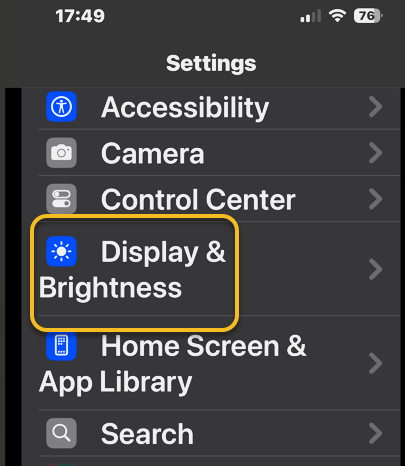
Next, tap Disply & Brightness. See the image below:
Selecting the Display & Brightness option
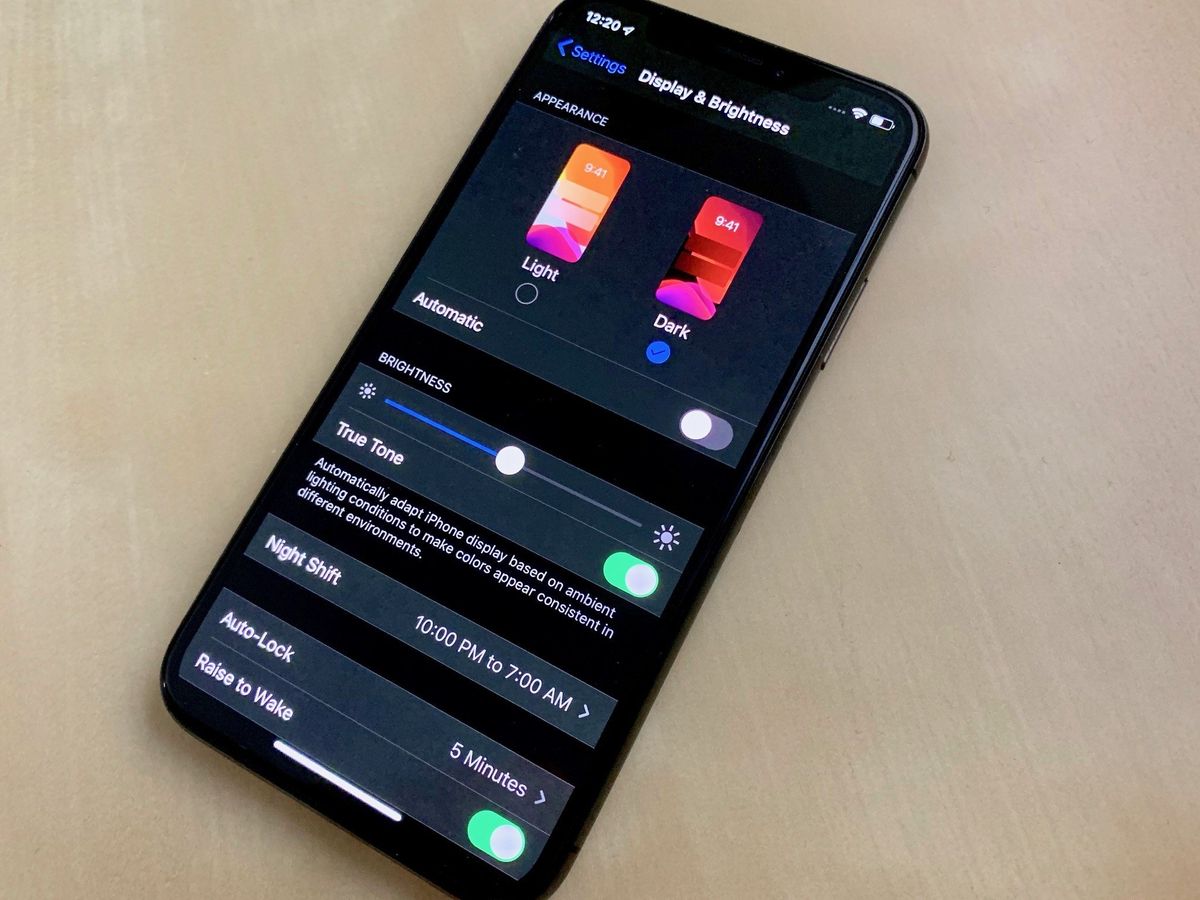
Now, tap the circle under Dark. See the following image:
Running on Dark Mode
Next, to make Dark Mode turn on automatically when the sun sets and off again when the sun rises, make sure that Automatic is toggled on. Refer to the image below:
Enabling automatic Dark Mode
Now, Dark Mode is turned on for your iPhone, and you can enjoy some battery saving, improved focus, and reduced eye strain!
Use Control Center to Access Dark Mode
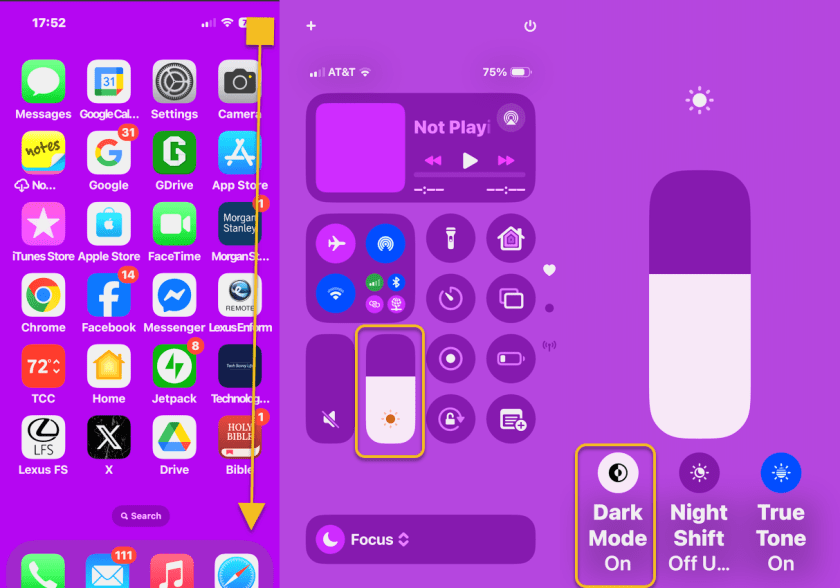
You can also access Dark Mode from your Control Center. Simply open your Control Center by swiping down from the upper right corner. Then, touch and hold the Brightness bar and select Dark Mode. See the image below:
Accessing Dark Mode via Control Center
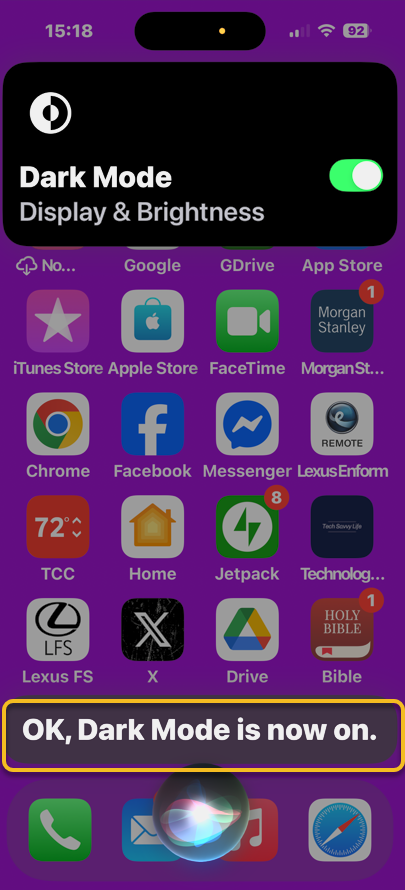
The fastest way to turn Dark Mode on or off is to just ask Siri. “Hey Siri, turn on Dark Mode. See the following image:
Using Siri to access Dark Mode
Disclaimer
Technology is constantly evolving, and smartphone and desktop tech rarely remains static. Therefore, the information in this post is only accurate as of the date it was written. Blog posts that are older than six months may contain instructions that are no longer compatible with your device or operating system. We hope that the content from previous posts continues to function as intended. Thank you for reading TechSavvy.Life, where technology works for you.
Quote For the Day
. “I’d rather check my Facebook than face my checkbook.”
― Craig Coelho
(X) Twitter Info
That’s it. Please feel free to share this post! One way to share is via Twitter.
Just click the Tweet icon below. This will launch Twitter where you click its icon to post the Tweet.
Checkout TechSavvy.Life for blog posts on smartphones, PCs, and Macs! You may email us at contact@techsavvy.life for comments or questions.
We value your feedback! Was this post helpful? Please share your comments with us. If you have a tech question related to your computer or smart device, feel free to reach out. Just send an email to contact@techsavvy.life, and be sure to include the device, app, and version you are using. To assist us further, you can also attach screenshots related to your inquiry.
The author’s Vietnam eBook on the “Battle for Tra Bong Vietnam: Events and Aftermath” can be accessed from a Kindle device or the Kindle App for a desktop or smartphone. The apps are free.
The author’s Vietnam eBook on the Battle for Tra Bong Vietnam: Events and Aftermath
The post details how to forward text messages, including photos, on an iPhone. To forward a message, users should long press the message, select “More,” choose additional messages if desired, tap the forward icon, enter the recipient’s contact, and send it. This method allows efficient sharing without creating group texts.
RAYMOND OGLESBY @RaymondOglesby2 May 6, 2025– 4 minutes read time
Overview
You can easily forward texts from the Messages app, including photos. Just press and hold the message you want to forward. Let’s explore how to forward a text message on an iPhone.
Why You Will Like This Tip
Learn how to forward a text on iPhone to quickly send pictures you received in Messages to friends and family.
Use text message forwarding to send the same message to multiple people without making it a group text
System Requirements
This tip was performed on an iPhone 14 Pro running iOS 18.4..1.
Click here to learn how to update your iPhone to the latest iOS version.
Text Forwarding Explained
Whether it’s sharing important information, funny memes, or heartfelt messages, we often find ourselves wanting to pass along these texts to others. Fortunately, forwarding a text message is a simple task that can be accomplished on most smartphones.
Text message forwarding allows you to send a message you have received to another recipient, either within the same messaging app or through a different platform like email. This feature is handy for sharing information quickly and efficiently. However, remember that forwarded text messages can not be deleted once sent to another contact.
Forward a Text
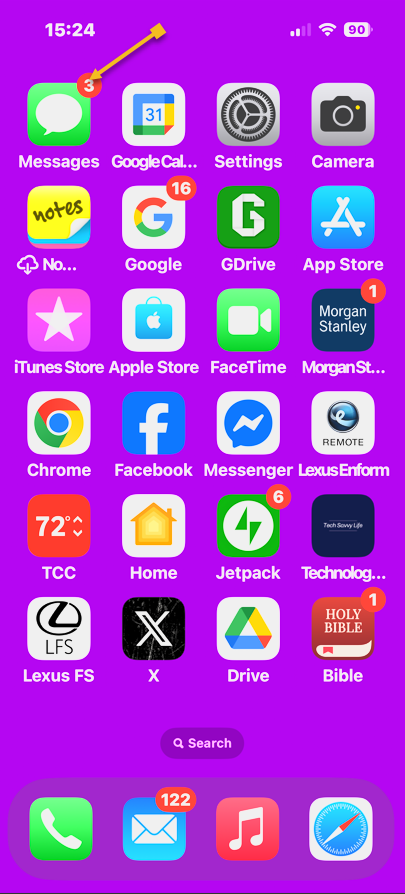
First, open the Messages app. Refer to the image below.
Selecting the Messages app
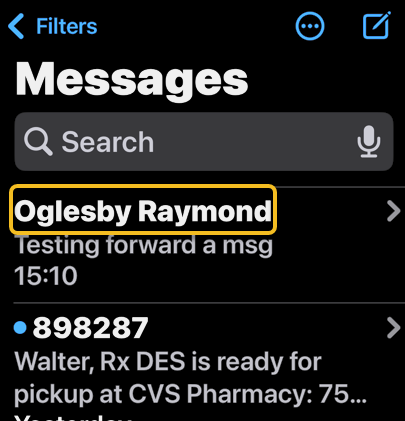
Next, tap the conversation containing the text you want to forward. See the below image:
Selecting a conversation
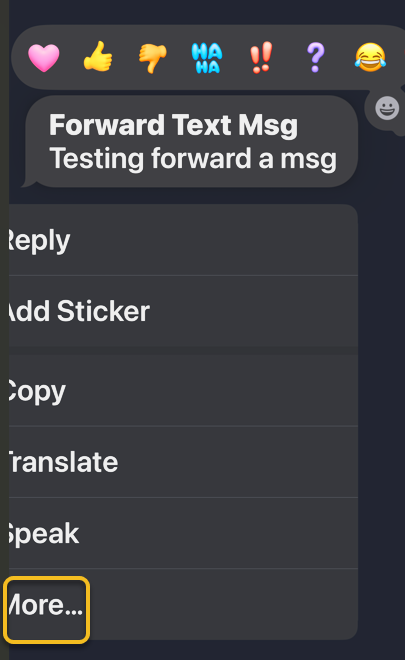
Now, long press on the body of the message you want to forward, then tap More. See the following image:
Selecting the More option
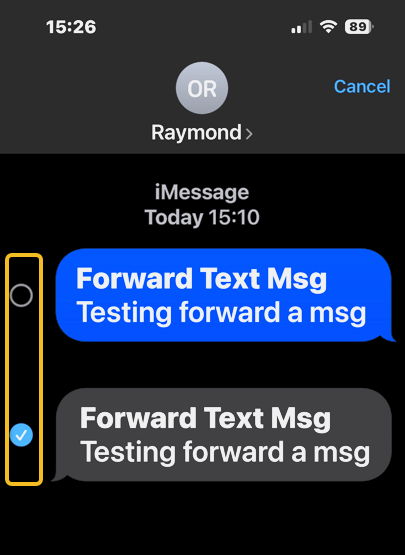
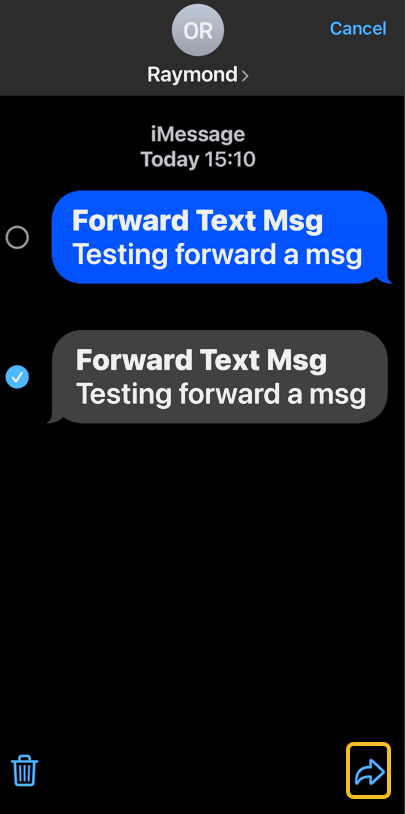
Next, all the messages will have small circles that will appear to the left of each text, with the chosen message already selected. If desired, tap the circle next to any other messages you want to forward. Refer to the image below:
Tapping the circle next to the message you want to forward
Now, tap the Forward icon, and a new message will open. See the below image:
Selecting the Forward icon
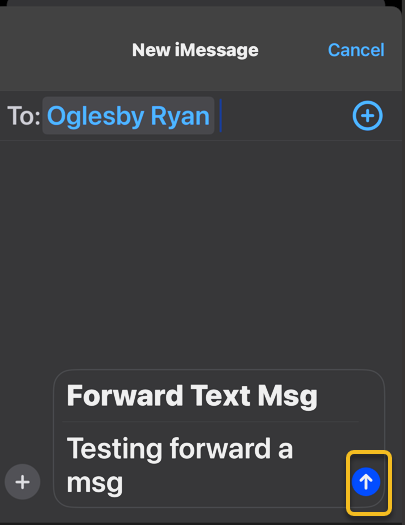
Next, enter your recipient’s contact information and tap the contact when it pops up. See the following image:
Entering a contact
Now, tap the Send icon. Refer to the image below:
Selecting the Send icon
Your friend will receive the text you have forwarded. So much easier than retyping a whole message or using copy and paste!
Disclaimer
Technology is constantly evolving, and smartphone and desktop tech rarely remains static. Therefore, the information in this post is only accurate as of the date it was written. Blog posts that are older than six months may contain instructions that are no longer compatible with your device or operating system. We hope that the content from previous posts continues to function as intended. Thank you for reading TechSavvy.Life, where technology works for you.
Quote For the Day
. “Even the technology that promises to unite us divides us. Each of us is now electronically connected to the globe, and yet we feel utterly alone.”
― Dan Brown
X (Twitter) Info
That’s it. Please feel free to share this post! One way to share is via Twitter.
Just click the Tweet icon below. This will launch Twitter where you click its icon to post the Tweet.
Checkout TechSavvy.Life for blog posts on smartphones, PCs, and Macs! You may email us at contact@techsavvy.life for comments or questions.
We value your feedback! Was this post helpful? Please share your comments with us. If you have a tech question related to your computer or smart device, feel free to reach out. Just send an email to contact@techsavvy.life, and be sure to include the device, app, and version you are using. To assist us further, you can also attach screenshots related to your inquiry.
The author’s Vietnam eBook on the “Battle for Tra Bong Vietnam: Events and Aftermath” can be accessed from a Kindle device or the Kindle App for a desktop or smartphone. The apps are free.
The author’s Vietnam eBook on the Battle for Tra Bong Vietnam: Events and Aftermath
This post provides a guide on changing Siri’s voice on iPhones. Users can select different accents and voice options in the Settings app under Siri. The process is straightforward, enhancing user experience by personalizing Siri’s voice to be more relatable and understandable. Compatibility depends on current iOS versions.
RAYMOND OGLESBY @RaymondOglesby2 April 29, 2025 – 3 minutes read time
Overview
Tired of your current Siri voice? Let’s learn how to change it. Apple has recorded actors’ voices and run them through its neural text-to-speech engine in an effort to make Siri sound more natural, so you have more options than ever for how Siri’s voice should sound.
If you have not used Siri before, when you first use the virtual assistant, you will be prompted to choose a voice for it, but if you have, you can change the voice Siri is using manually. So, how do you change Siri’s voice? You can customize Siri’s voice in the Settings app. Let’s find out how.
Why You Will Like This Tip
Customize Siri’s voice to one that you like the best.
Make Siri more understandable by matching the voice to your country’s native accent.
System Requirements
This tip was performed on an iPhone 14 Pro running iOS 18.4.1
Click here to learn how to update your iPhone to the latest iOS version.
Change Siri’s Voice
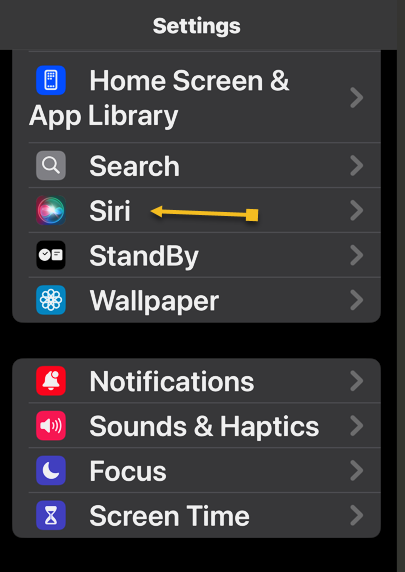
First, open Settings, and tap either Siri or Apple Intelligence & Siri (the menu option will appear differently depending on whether or not you have an Apple Intelligence-enabled device). Refer to the below image:
Selecting the Siri option
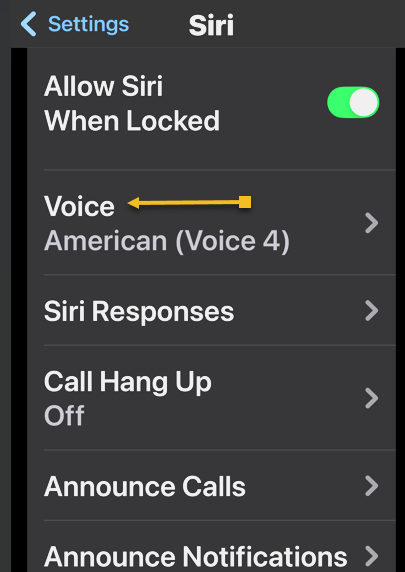
Next, tap Voice. See the image below:
Selecting the Voice option
Now, under Variations, you can choose between American, Australian, British, Indian, Irish, or South African. See the following image:
Selecting a Voice Variation
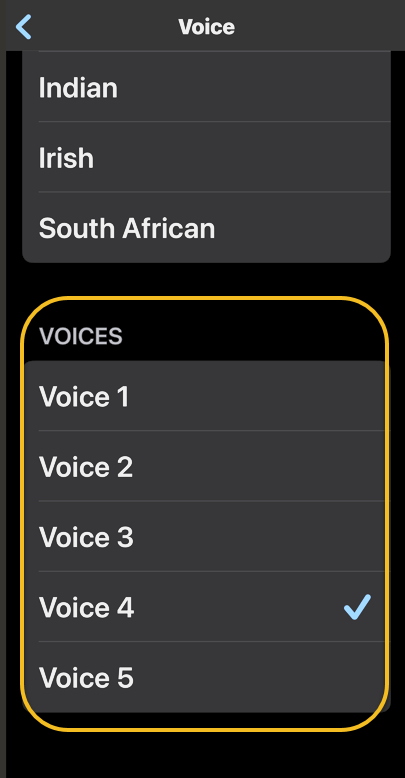
Next, after you have decided on your Variation, you can select a Voice. Depending on which Variation you chose, you should have between 2-5 different voices. Refer to the image below:
Selecting a Voice
Now, once you have found one you like, it will take some time for your iPhone to completely download the voice, though you do not need to wait in Settings for it to do so. See the image below:
Downloading a Voice
If you change the voice of your Siri on your iPhone, it will change it across your synced devices.
That’s how to change Siri’s voice. It’s that easy!
Disclaimer
Technology is constantly evolving, and smartphone and desktop tech rarely remains static. Therefore, the information in this post is only accurate as of the date it was written. Blog posts that are older than six months may contain instructions that are no longer compatible with your device or operating system. We hope that the content from previous posts continues to function as intended. Thank you for reading TechSavvy.Life, where technology works for you.
Quote For the Day
. “Cars will soon have the Internet on the dashboard. I worry that this will distract me from my texting.”
― Andy Borowitz
X (Twitter) Info
That’s it. Please feel free to share this post! One way to share is via Twitter.
Just click the Tweet icon below. This will launch Twitter where you click its icon to post the Tweet.
vCheckout TechSavvy.Life for blog posts on smartphones, PCs, and Macs! You may email us at contact@techsavvy.life for comments or questions.
We value your feedback! Was this post helpful? Please share your comments with us. If you have a tech question related to your computer or smart device, feel free to reach out. Just send an email to contact@techsavvy.life, and be sure to include the device, app, and version you are using. To assist us further, you can also attach screenshots related to your inquiry.
The author’s Vietnam eBook on the “Battle for Tra Bong Vietnam: Events and Aftermath” can be accessed from a Kindle device or the Kindle App for a desktop or smartphone. The apps are free.
The author’s Vietnam eBook on the Battle for Tra Bong Vietnam: Events and Aftermath
This post highlights a helpful trick for iPhone users to type numbers and symbols without switching keyboards. By holding the 123 button, users can access numbers while continuing to type with the ABC keyboard. It also discusses a fun, less practical feature in iOS 17 that displays the time on-screen.
RAYMOND OGLESBY @RaymondOglesby2 March 25, 2025 – 5 minutes read time
Overview
It would be convenient if Apple added a numbers row to the standard iPhone keyboard, but it has not happened yet. If you want an iPhone keyboard with numbers, here’s an iPhone texting trick. This post shows how to access iOS keyboard symbols and numbers without leaving the standard keyboard.
Why You Will like This Tip
Type numbers quickly and efficiently without having to switch to the number keyboard.
Impress your friends with your iPhone keyboard-shortcut knowledge.
System Requirements
While the steps below work on previous iOS software versions, the screenshots shown were captured using iOS 18.3.2 on iPhone 14 Pro.
Click here to learn how to update your iPhone to the latest iOS version.
Typing Numbers
Have you been wishing for an iPhone keyboard with numbers and symbols? Let’s go over how to access numbers and symbols without leaving the ABC keyboard on your iPhone.
First, open any app where you want to use a keypad with numbers, such as Messages or Notes.
Next, when typing, touch and hold the 123 button to bring up the keypad with numbers. Since the button is on the left side of the screen, it works best to do this with your left hand. You will need to keep holding it while you type the numbers and/or symbols. Refer to the below image:
Entering a new message
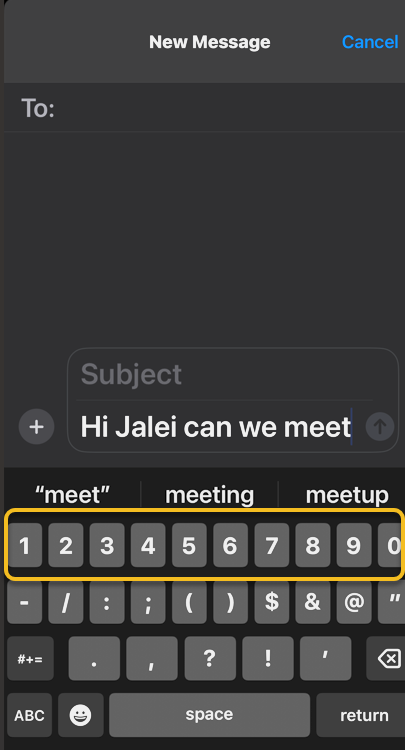
Now, while still holding the 123 buttons, type the numbers or symbols you need using the other hand. See the below image:
Holding down the 123 button to display the numbers
Next, release the 123 button, which will automatically switch back to the ABC keys. You can then carry on typing in the standard iPhone keyboard to complete your text. See the following image:
Release the 123 button to return the normal keyboard
That’s how to get numbers on an iPhone keyboard the quickest way! For those who already type with two hands, this will be a breeze. If you typically type with only one hand, this iPhone keyboard shortcut may take a little bit of getting used to, but it’s still faster than having to navigate from the ABC keyboard to the 123 keyboard and back!
BONUS: A Favorite Useless Tip
This tip uses the StandBy feature introduced in iOS 17. It should be enabled by default in iOS 17 and higher, but you will still want to confirm that it’s set up for this tip to work.
This nameless tip will show the time in the middle of your screen upon a certain action.
First, head to:
Settings > StandBy
and make sure StandBy and Always On (if you have that feature) are enabled.
Next, if you want to see notifications, turn on Show Notifications.
Now, tap the Display option, then enable the Night Mode switch if you want the screen to take on a red tint in reaction to low ambient light at night so it does not disturb your sleep. Refer to the below image:
Enabling options
Bext, you simply press and hold down the Time indicator in the status bar (top left). The current time will be displayed in the middle of your screen and stay there until you release the Time indicator. We ask, why? Some Apple engineer had too much time on his hands. See the below image:
Press and hold the Time indicator to display Time in the middle of the screen
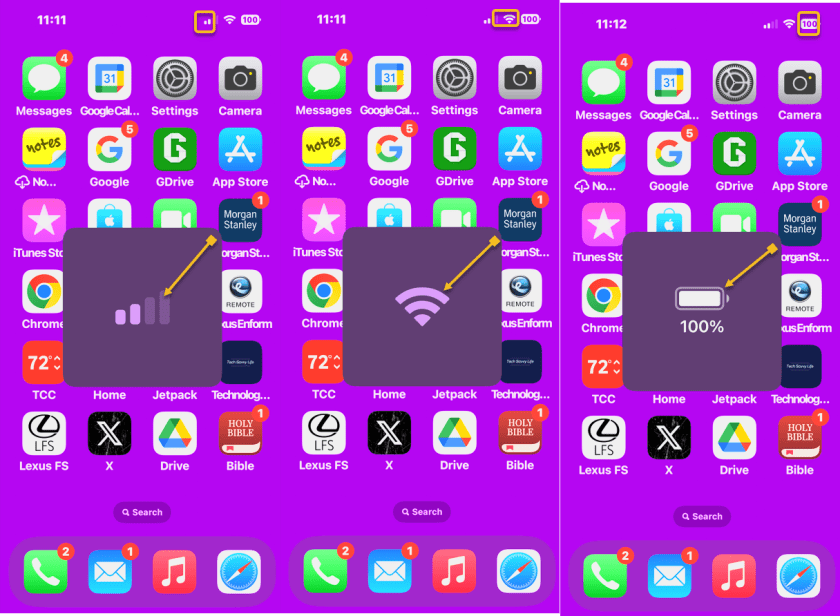
Want more useless information? Press and hold the other indicators (signal strength, WiFi and Battery). See the following image:
Display another useless indicators
Disclaimer
Technology is constantly evolving, and smartphone and desktop tech rarely remains static. Therefore, the information in this post is only accurate as of the date it was written. Blog posts that are older than six months may contain instructions that are no longer compatible with your device or operating system. We hope that the content from previous posts continues to function as intended. Thank you for reading TechSavvy.Life, where technology works for you.
Quote For the Day
“Please, no matter how we advance technologically, please don’t abandon the book. There is nothing in our material world more beautiful than the book.”
-Patti Smith
X (Twitter Info)
That’s it. Please feel free to share this post! One way to share is via Twitter.
Just click the Tweet icon below. This will launch Twitter where you click its icon to post the Tweet.
Checkout TechSavvy.Life for blog posts on smartphones, PCs, and Macs! You may email us at contact@techsavvy.life for comments or questions.
We value your feedback! Was this post helpful? Please share your comments with us. If you have a tech question related to your computer or smart device, feel free to reach out. Just send an email to contact@techsavvy.life, and be sure to include the device, app, and version you are using. To assist us further, you can also attach screenshots related to your inquiry.
The author’s Vietnam eBook on the “Battle for Tra Bong Vietnam: Events and Aftermath” can be accessed from a Kindle device or the Kindle App for a desktop or smartphone. The apps are free.
The author’s Vietnam eBook on the Battle for Tra Bong Vietnam: Events and Aftermath
Apple’s iOS 18 update enhances the Photos app with natural language search capabilities, allowing users to find images and videos more precisely by describing details. Users can combine elements or search for specific moments in videos.
InserRAYMOND OGLESBY @RaymondOglesby2 March 4, 2025 – 4 minutes read time
Overview
Apple’s iOS 18 update brings powerful new search functions to the Photos app, allowing you to find specific images with unprecedented precision. Let’s explore the new Photos app.
Photos Searching
iOS 18, the key to effective searching in Photos is using natural language. Instead of simple keywords, try describing the photo you are looking for in detail. The app can now understand complex queries and find images based on specific elements within them.
The new search function is also pretty handy at finding objects and scenes. Try queries like “car next to lake” or “sunset over Tulsa.” You can combine multiple elements in your search, such as “blue flowers in vase by window.”
For food lovers, searches like “pizza with mushrooms” or “steak and chips on the table” can help you find culinary inspiration from your photo library. When searching for people, you can now include details about their appearance or actions. “Rachel in the green hat with a wine glass” or “Susan in a wedding dress” are examples of how specific you can get.
Videos Searching
The Photos app can even search within videos. If you remember a specific moment in a video but can not recall which one, try describing the scene. For instance, “baby crawling” or “fireworks over Grand Lake” can take you directly to that moment.
Note! For these advanced search features to work, the Photos app needs time to index your library. This process happens on your device to protect your privacy, so be patient if searches aren’t immediately accurate after updating to iOS 18.
Why You Will Like This Tip:
Find Photos of nearly anything using the new search feature.
Search for objects or text that appear in your photos.
System Requirements
This tip works on iPhones running iOS 18 or later. The screenshots are from iPhone 14 Pro running iOS 18.1
Click here to learn how to update your iPhone to the latest iOS version.
Using Photos Search
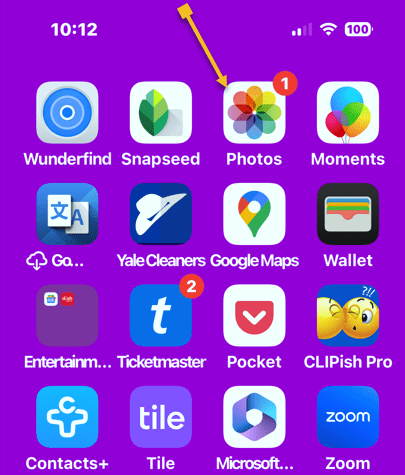
First, open the Photos app. Refer to the below image:
Selecting your Photos app
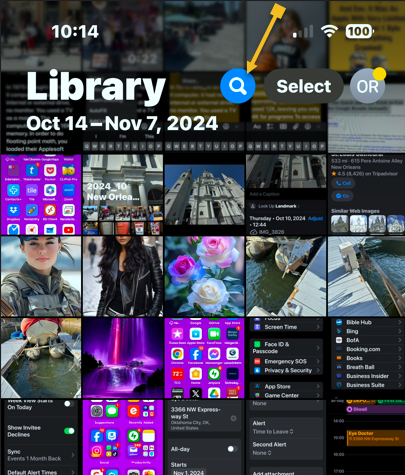
Next, tap the Search icon. See the below image:
Selecting the Search icon
Now, you will see some personalized suggestions, which you can tap. Or you can tap the Search bar to type in your own search terms. See the following image:
Selecting the Search button
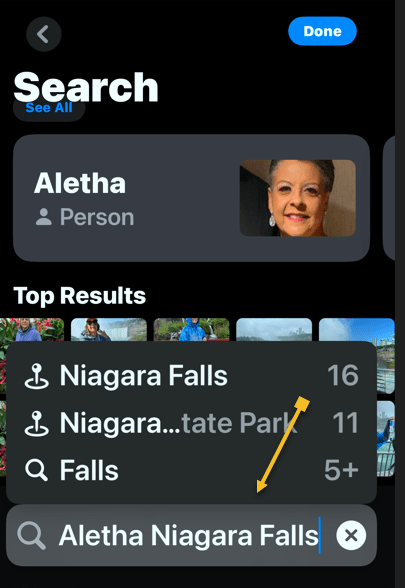
Next, once you enter a search term, you will see all the photos in your library that match. Refer to the below image:
Entering your Search criteria
For example, we are searching for “Aletha Niagara Falls”. Now, we can see all the photos related to “Aletha in Niagara Falls”. See the below image:
Your results
Related
Aletha, my wife, also has a blog at Watercress Words, exploring and sharing the HEART of health.
Summary
That’s how to search photos or videos on the iPhone. Try it out yourself! Put in a few search terms and see what you get! While iOS 18 made some controversial changes to the Photos app, this is one change that you will love. It’s super easy to find the exact photo you are looking for every time.
Disclaimer
Technology is constantly evolving, and smartphone and desktop tech rarely remains static. Therefore, the information in this post is only accurate as of the date it was written. Blog posts that are older than six months may contain instructions that are no longer compatible with your device or operating system. We hope that the content from previous posts continues to function as intended. Thank you for reading TechSavvy.Life, where technology works for you.
Quote For the Day
. “We are stuck with technology when what we really want is just stuff that works.”
― Douglas Adams
X (Twitter) Info
Pretty impressive Photos app? Please feel free to share this post! One way to share is via Twitter.
Just click the Tweet icon below. This will launch Twitter where you click its icon to post the Tweet.
Checkout TechSavvy.Life for blog posts on smartphones, PCs, and Macs! You may email us at contact@techsavvy.life for comments or questions.
We value your feedback! Was this post helpful? Please share your comments with us. If you have a tech question related to your computer or smart device, feel free to reach out. Just send an email to contact@techsavvy.life, and be sure to include the device, app, and version you are using. To assist us further, you can also attach screenshots related to your inquiry.
The author’s Vietnam eBook on the “Battle for Tra Bong Vietnam: Events and Aftermath” can be accessed from a Kindle device or the Kindle App for a desktop or smartphone. The apps are free.
The author’s Vietnam eBook on the Battle for Tra Bong Vietnam: Events and Aftermath
The Look Up feature on iPhones allows users to quickly access definitions, thesaurus entries, and related websites by highlighting text and selecting the option. Available on iOS 16 or later, it enhances vocabulary learning and information retrieval across apps.
RAYMOND OGLESBY @RaymondOglesby2 February 18, 2025 – 3 minutes read time
Overview
Sometimes, while browsing the internet, you will come across words you do not understand or subjects you want to learn more about.
The Look Up feature allows you to easily look up the definition of words. Its menu provides links to several options: Apple’s dictionary, other dictionaries, Siri-suggested websites, Wikipedia, the App Store, and more.
You can even use Look Up as a free thesaurus app, or use the Look Up feature in Safari to find additional references to a word or phrase on the internet.
Let’s explore looking up words on iPhone with the Look Up feature.
Why You Will Like This Feature
Quickly check the definition of words or phrases with just a few taps.
Easily find websites or apps related to specific words.
System Requirements
This tip works on iPhones running iOS 16 or later.
Screenshots are from iPhone 14 Pro running iOS 18.3
Click here to learn how to update your iPhone to the latest iOS version.
Using Look Up Feature
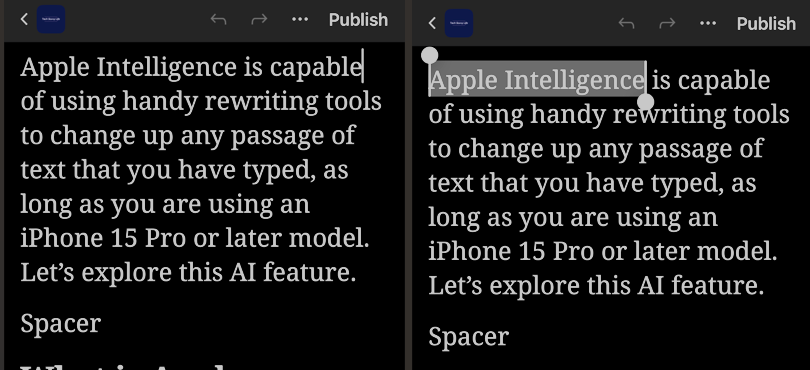
First, anywhere you can select text, tap and hold to highlight the text. Refer to the below image:
Highlight text to look up
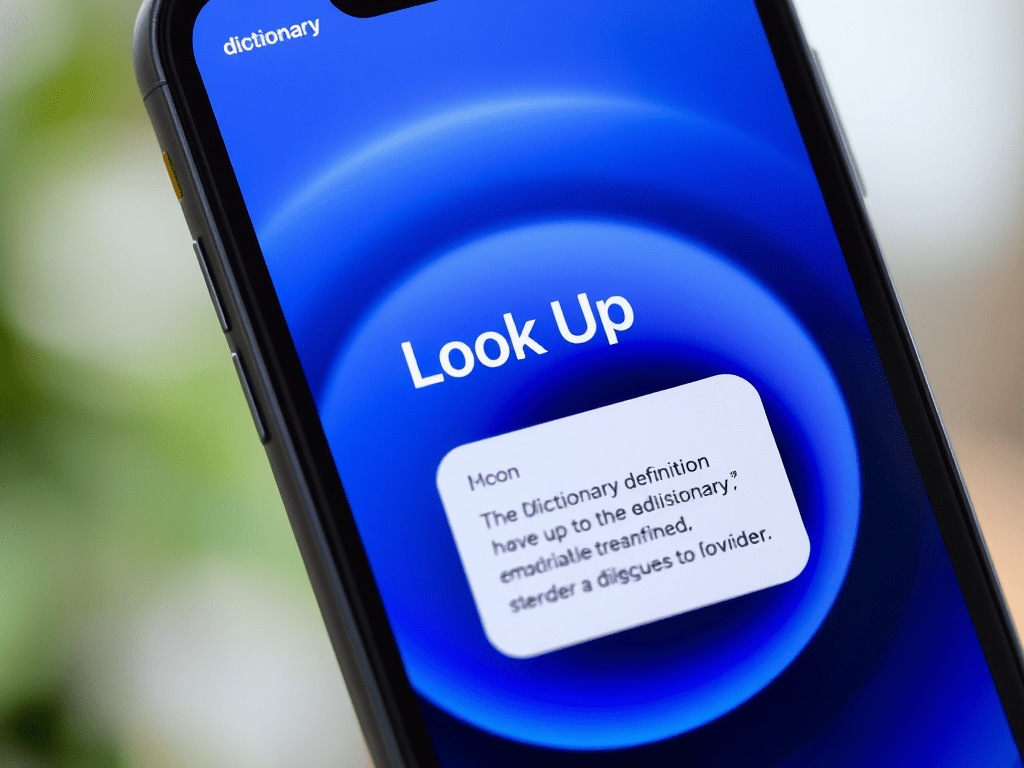
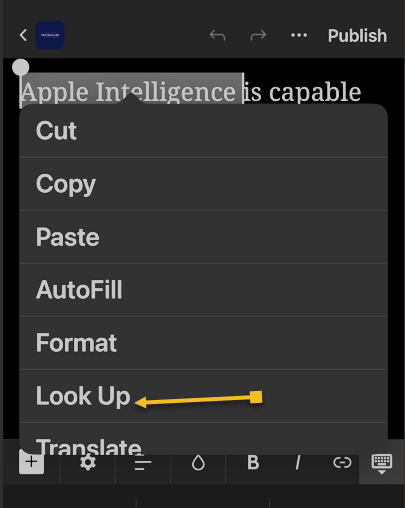
Next, above the word or phrase, a horizontal menu or a drop down menu will appear depending on your iOS. Tap the arrow to the right or select the Look Up option (as shown). See the below image:
Selecting the Look Up option
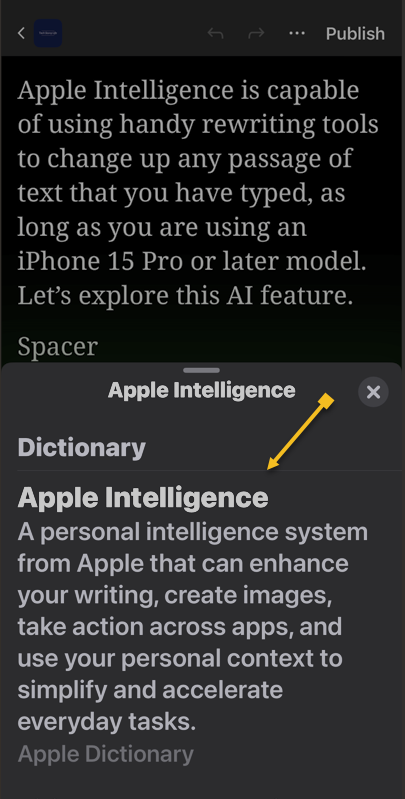
Now the results will appear in a pop-up. Usually, you will see a dictionary definition of the word(s). Pull up on the window to see more results. See the following image:
The dictionary meaning of the highlighted text
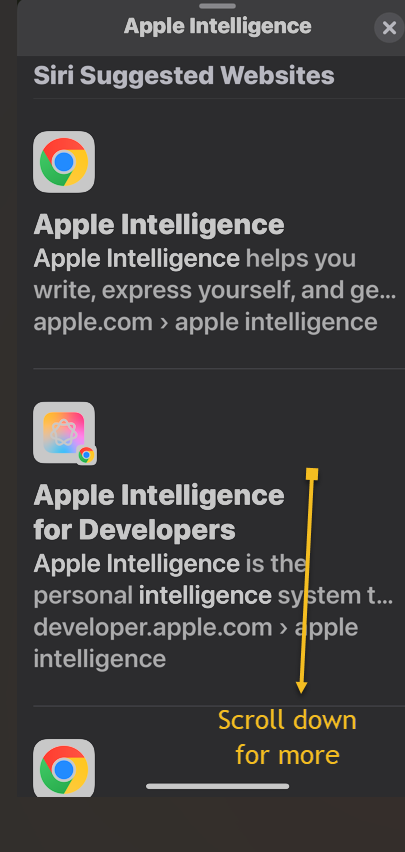
Bext, depending on the text you selected, you will see various results from different websites and apps. Scroll down to see more results. Refer to the below image:
Additional results for the highlighted text
That’s how to use the Look Up feature on your iPhone. While we demonstrated this feature from a WordPress blog, it can be used anywhere where you can select text.
Disclaimer
Technology is constantly evolving, and smartphone and desktop tech rarely remains static. Therefore, the information in this post is only accurate as of the date it was written. Blog posts that are older than six months may contain instructions that are no longer compatible with your device or operating system. We hope that the content from previous posts continues to function as intended. Thank you for reading TechSavvy.Life, where technology works for you.
Quote For the Day
Technology is nothing. What’s important is that you have faith in people, that they’re basically good and smart, and if you give them tools, they’ll do wonderful things with them.
– Steve Jobs
(X) Twitter Info
That’s it. Please feel free to share this post! One way to share is via Twitter.
Just click the Tweet icon below. This will launch Twitter where you click its icon to post the Tweet.
Checkout TechSavvy.Life for blog posts on smartphones, PCs, and Macs! You may email us at contact@techsavvy.life for comments or questions.
We value your feedback! Was this post helpful? Please share your comments with us. If you have a tech question related to your computer or smart device, feel free to reach out. Just send an email to contact@techsavvy.life, and be sure to include the device, app, and version you are using. To assist us further, you can also attach screenshots related to your inquiry.
The author’s Vietnam eBook on the “Battle for Tra Bong Vietnam: Events and Aftermath” can be accessed from a Kindle device or the Kindle App for a desktop or smartphone. The apps are free.
The author’s Vietnam eBook on the Battle for Tra Bong Vietnam: Events and Aftermath
The Emergency SOS feature lets you call for help in many different ways, including discreetly by holding down a button, via satellite, and even automatically if
RAYMOND OGLESBY @RaymondOglesby2 February 4, 2025 – 4 minutes read time
Overview
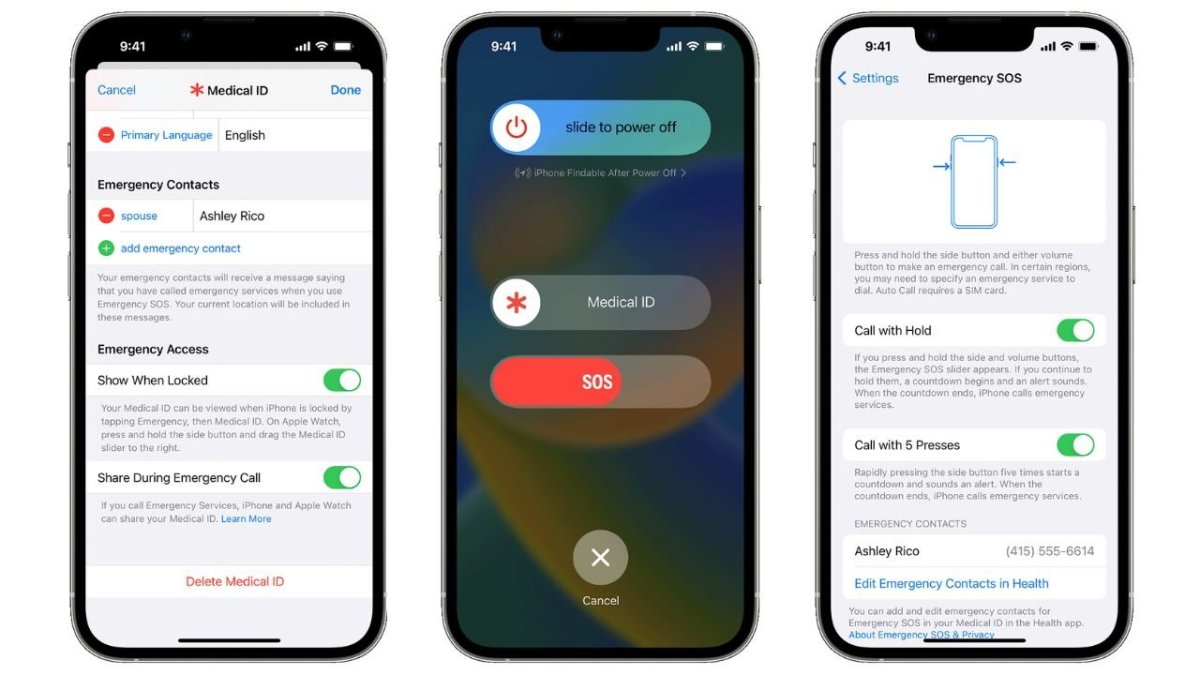
The Emergency SOS feature lets you call for help in many different ways, including discreetly by holding down a button, via satellite, and even automatically if a car crash or fall is detected. After an Emergency SOS call ends, your iPhone will automatically send a message with your location to your Emergency contact(s). Add an extra layer of security to your life by adding your iPhone emergency contact(s).
Why You Will Like This Tip
Give your loved ones peace of mind by adding them as Emergency contacts.
Customize your Emergency SOS settings to suit your needs.
System Requirements
This tip works on iPhones 14 and above running iOS 18 or later.
Screenshots are from iPhone 14 Pro running iOS 18.3
Click here to learn how to update your iPhone to the latest iOS version.
Setup Emergency Contacts
There are many different ways to set up and activate Emergency SOS depending on what devices and device models you have. Only iPhone 14 and newer models can use Emergency SOS via satellite and have automatic Crash Detection (on by default.) iPhones running iOS 18 can use Live Video during emergency calls. You will need a newer Apple Watch model to use automatic Fall Detection. Here’s how to set your iPhone’s Emergency SOS contact(s). In this example, we are setting up Zoey Oglesby as an emergency contact,
First, open the Health app on your iPhone. Refer to the below image:
Find and open the Health app
Next, tap your Profile icon in the to right corner. See the below image:
Select your Profile icon
Now, select Medical ID. See the following image:
Select the Medical ID option
Next, under Emergency Access section, toggle Show When Locked and Share During Emergency Call to ON. Refer to the below image:
Toggle Show When Locked and Share During Emergency Call to ON
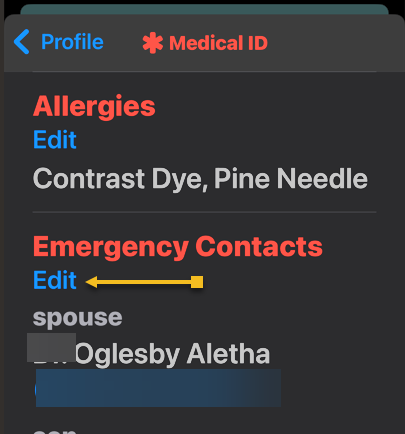
Now, scroll down to Emergency Contacts and tap Edit. See the below image:
Select to Edit Emergency Contacts
Next, tap the green plus sign to add a new emergency contact. See the following image:
Select the plus icon to Add Emergency Contact
Now, your Contacts will pop up. Find the contact you want and tap on their name. Refer to the below image:
Select a contact
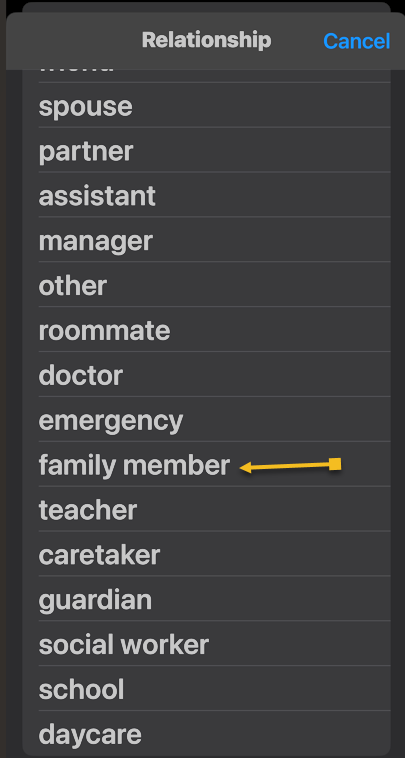
Next, select their relationship with you. See the below image:
Select their Relationship with you
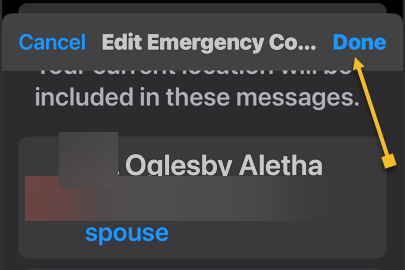
Next, tap Done. See the following image:
Select Done to add the contact
Your emergency contact(s) will now receive a text message and your location should you make an emergency call using Emergency SOS on your iPhone. In your Contacts, the emergency contact(s) are indicated by an asterisk (*) next to their name. Refer to the image below, where four family members are indicated as emergency contacts (others are on a different contact page):
Your added Emergency Contacts indicated by an asterisk (*)
Accessing your Medical ID within the Health app allows you to display only your emergency contacts. When the Show When Locked option is turned on, your emergency contact information will appear on the Lock screen.
Disclaimer
Technology is constantly evolving, and smartphone and desktop tech rarely remains static. Therefore, the information in this post is only accurate as of the date it was written. Blog posts that are older than six months may contain instructions that are no longer compatible with your device or operating system. We hope that the content from previous posts continues to function as intended. Thank you for reading TechSavvy.Life, where technology works for you.
Quote For the Day
The technology you use impresses no one. The experience you create with it is everything.
-Sean Gerety
X (Twitter) Info
That’s it. You have just setup emergency contacts that may save your life. Please feel free to share this post! One way to share is via Twitter.
Just click the Tweet icon below. This will launch Twitter where you click its icon to post the Tweet.
Checkout TechSavvy.Life for blog posts on smartphones, PCs, and Macs! You may email us at contact@techsavvy.life for comments or questions.
We value your feedback! Was this post helpful? Please share your comments with us. If you have a tech question related to your computer or smart device, feel free to reach out. Just send an email to contact@techsavvy.life, and be sure to include the device, app, and version you are using. To assist us further, you can also attach screenshots related to your inquiry.
The author’s Vietnam eBook on the “Battle for Tra Bong Vietnam: Events and Aftermath” can be accessed from a Kindle device or the Kindle App for a desktop or smartphone. The apps are free.
The author’s Vietnam eBook on the Battle for Tra Bong Vietnam: Events and Aftermath
The Amazon Kindle is an effective ebook reader, linked closely to Amazon’s ecosystem. Users can send various ebook formats to their Kindle via methods like the Send to Kindle tool, Kindle app, or email. Free ebooks are readily available through various platforms, enhancing Kindle’s reading options.
RAYMOND OGLESBY @RaymondOglesby2 January 28, 2025 – 7 minutes read time
Overview
The Amazon Kindle is a great ebook reader, but it’s tightly tied to Amazon’s ecosystem. If you have a Fire tablet or a smartphone, you can download other e-reading apps to beef up your library, but with the Kindle hardware, you are pretty much tied to getting your content directly from Amazon. Well, sort of. Using some free software, you can take ebooks in various formats and zap them over to your Kindle.
Let’s explore how to send other ebook formats to your e-reader, and where to get free ebooks.
Why You Will Like This Tip
Of course, we all like free stuff.
A large variety of free ebooks to choose from.
Download in a variety of formats for reading on your Kindle.
System Requirements
This is for the Amazon Kindle. It uses the iPhone, Android, PC, and Mac. The screenshots are from Windows 10 and iPhone 14 Pro.
Use “Send to Kindle”
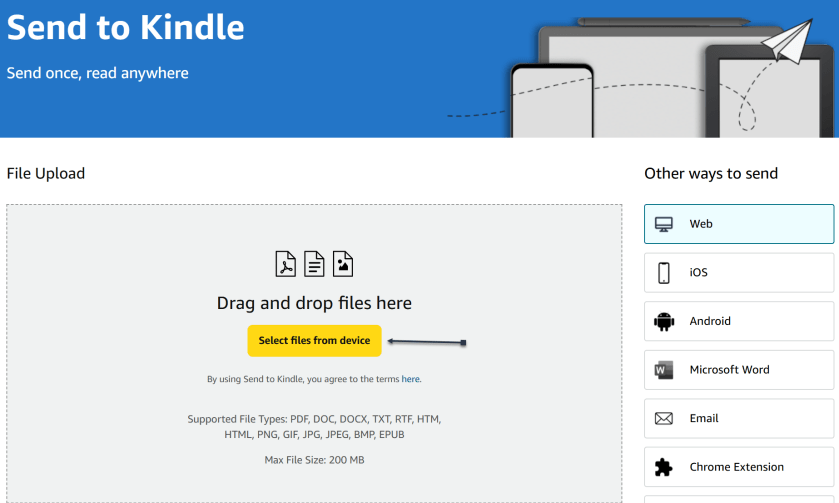
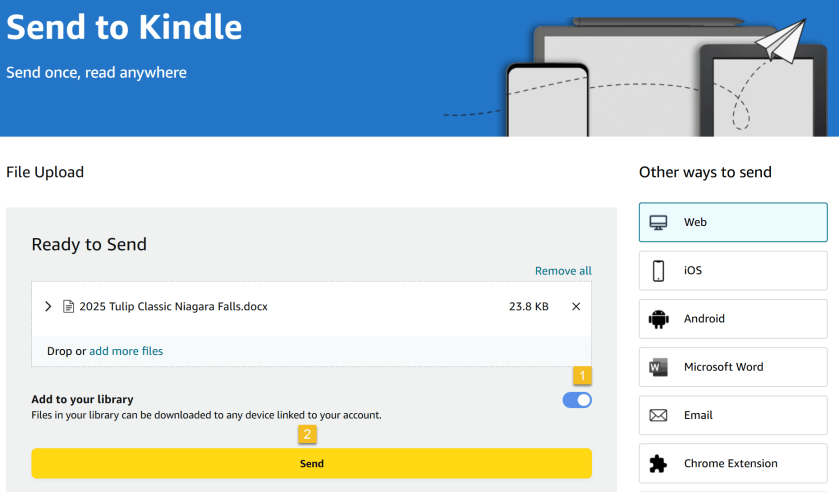
Amazon offers a Send to Kindle page where you can upload ebook files saved on your device. First, on amazon.com/sendtokindle, click Select files from device. Refer to the below image:
Selecting files to send
Next, select the book you want on your Kindle. This tool supports PDF, DOC, DOCX, TXT, RTF, HTM, HTML, PNG, GIF, JPG, JPEG, BMP, and EPUB formats on ebooks up to 200MB in size. (Amazon no longer supports sending new Mobi files.) Ensure the Add to your library toggle is ON, then click Send. See the below image:
Send your files
Now, a status bar will appear, letting you keep tabs on the upload. You will see a checkmark and an In Library notice when it’s ready. See the following image:
Status of sending to Kindle
Amazon also has an app for Windows and macOS that lets you do the same thing. Chrome has an extension you can enable though results are mixed.
Use Your iPhone
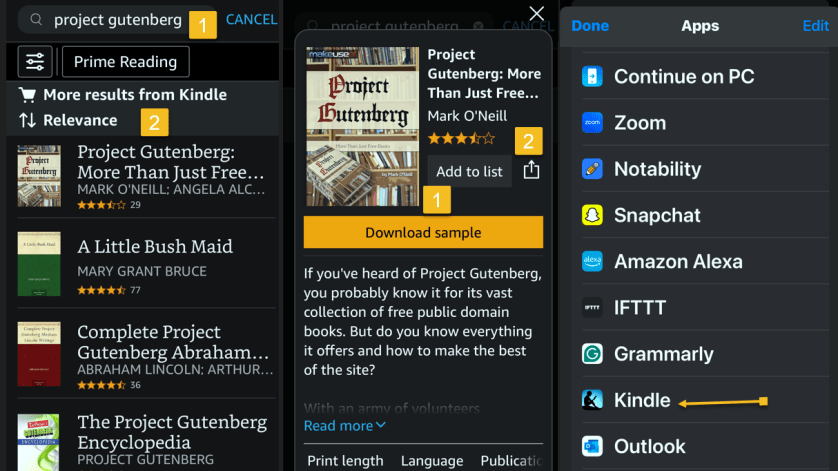
If you have the Kindle app installed on your iPhone or Android device, you can add ebooks to your library with a few taps. In the example below we downloaded an ebook from Project Gutenberg on the iPhone.
First, open your Kindle app on your iPhone and search for an ebook. Next, tap the ebook. From here, you can Download sample to see a preview or tap the Share icon. Now, locate the Kindle app and tap it. Refer to the below image:
Selecting a file to send to Kindle
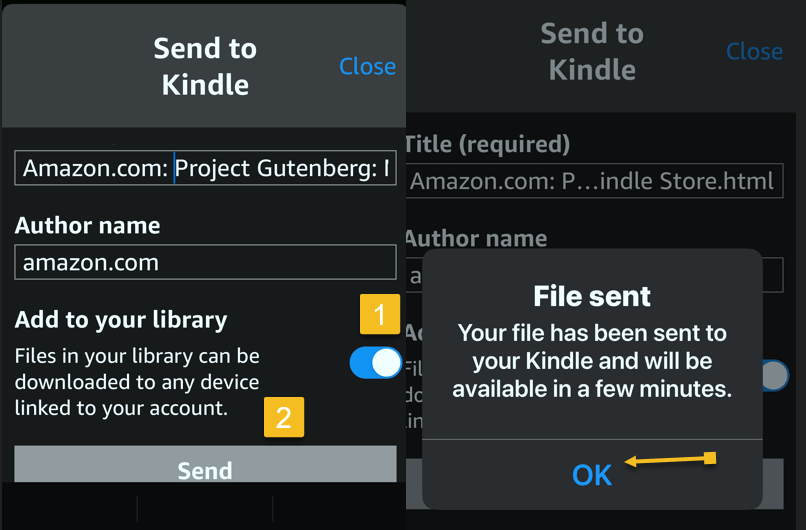
Next, ensure the Add to your library toggle is ON, then tap Send. Now, the ebook will be saved in your library in the Kindle app and on our Kindle device. The process is similar for Android. See the below image:
Send your file
Use Your Kindle Email
Amazon also lets you email ebooks to your Kindle account via a specially crafted email address. First, to get your Kindle’s email address, go to:
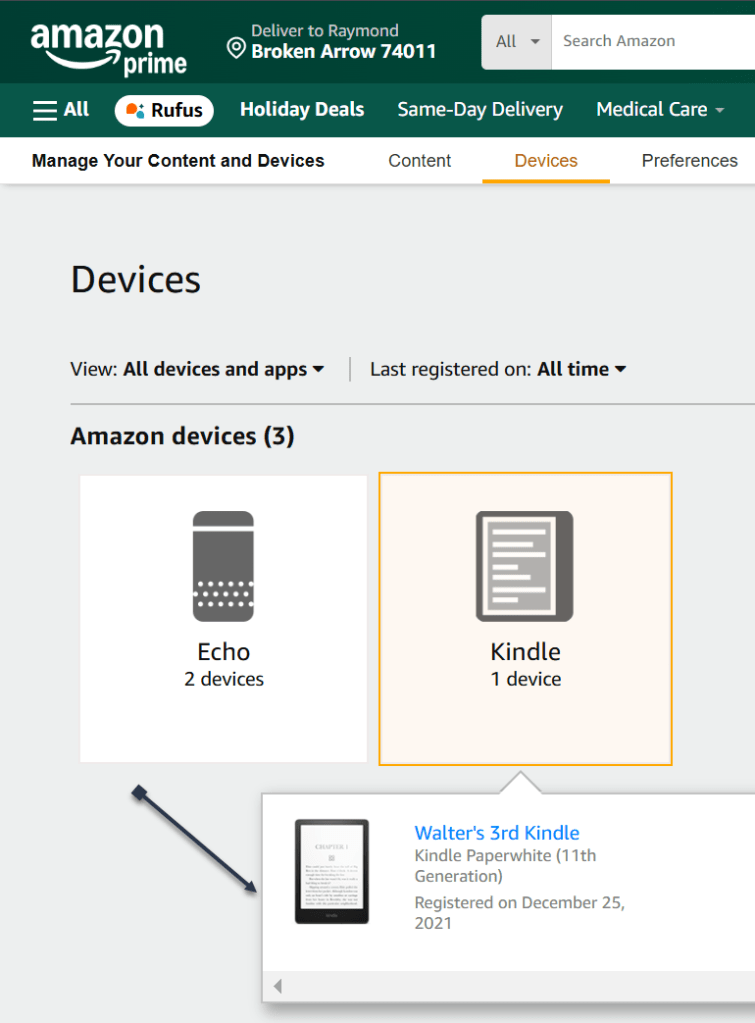
Next, in the list below, find your Kindle device and click it. In the drop-down window, click [your name’s] Kindle. See the following image:
Find your Kindle
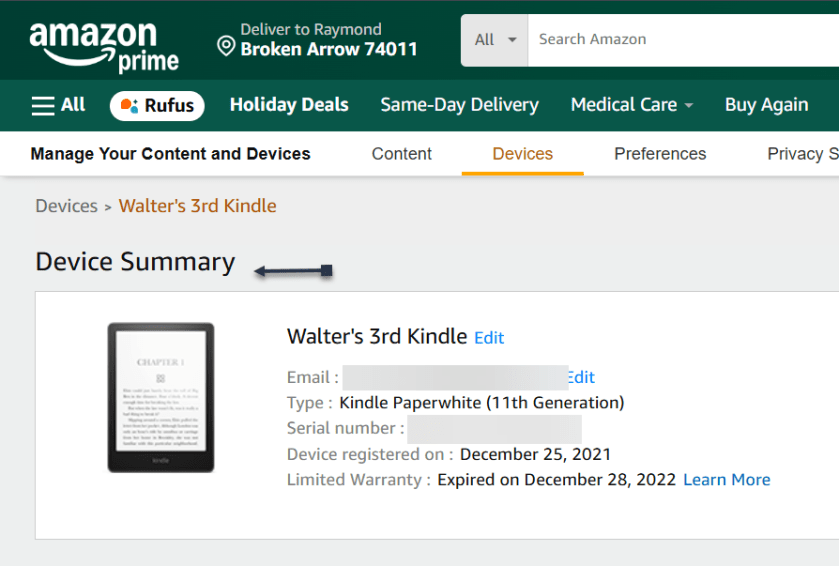
On the next page, you will see a Device Summary that lists your @kindle.com email address. (It’s set to a default address, but you can change it by clicking Edit.) Refer to the below page:
Your Kindle information
Back up top, click the Preferences tab, and scroll down to Personal Document Settings. Click the down arrow on the right and scroll to Approved Personal Document E-mail List. The email attached to your Amazon account should be listed here. If that’s the email address you will be using to send ebooks to your Kindle, you are all set. To use a different email, click:
Add a new approved e-mail address and enter the address you want to use.
Remember, your Kindle needs to be attached to a Wi-Fi network for this to work.
Use a PDF
Amazon can automatically convert PDFs into the Kindle format, but you get two formatting choices. If you want your Kindle to display every page in the PDF as if it were a graphic, just email the .pdf file to your Kindle’s address without a subject line, upload it via the Send to Kindle website, or drag and drop the file onto a Kindle that’s attached to your PC with a USB cable.
That will maintain the formatting and graphics; it will appear on your Kindle like on your laptop. However, the font size may be too small to read.
Your other option is to attach the PDF file to an email and make the subject line “convert”—just that word. Send it to your Kindle email address and your PDF will be converted into a Kindle version that will let you mark it up and change the formatting. The graphics will still be in there as well, but you will lose the layout of the original PDF.
Third-party software, such as MiniTool PDF Editor – Kindle format converter, can also convert PDF files to Kindle formats like Word, image, TXT, and HTML.
Where to Find Your eBooks
Once you have emailed your ebook, on your Kindle head to:
Home > From Your Library
It might take a few minutes, but if your Kindle is connected to Wi-Fi, it should update automatically and the ebook will appear.
Want to delete the ebook? Tap the Menu icon (the three-dots) on the bottom right of your ebook in Your Library and select Remove download to remove it from your Kindle or Permanently Delete to remove it from your Amazon account.
Where to Find Free eBooks
Amazon hosts periodic Stuff Your Kindle Days, where select ebooks are free for a 24-hour period. They are usually grouped by theme.
To hook into public library catalogs and send ebooks to your Kindle, check out the Libby app from OverDrive. (Hoopla offers a similar service.)
If you want classics, Project Gutenberg has 70,000+ copyright-free ebooks.
For historical and academic texts, check out archive.org.
ManyBooks.net has a mix of free and paid classics and self-published titles.
Free-Ebooks.net has a large collection of self-published ebooks and classics; provide your email address to get five free ebooks per month.
If you like science fiction, the publisher Baen also has a set of free ebooks.
BookBub has a free ebook section filled with romance novels and other casual reads.
Source: Amazon, PC Mag
Disclaimer
Technology is always changing. Rarely is there static tech for smartphones and desktops. Thus, the contents of this post are only valid at the time of writing. Blog posts older than six months may have directions incompatible with your device or OS. Hopefully, older post content will continue to work as advertised. Thank you for reading TechSavvy.Life for Technology at Work For You.
Quote For the Day
Technology is just a tool. In terms of getting the kids working together and motivating them, the teacher is the most important.
-Bill Gates
X (Twitter) Info
That’s it. Please feel free to share this post! One way to share is via Twitter.
Just click the Tweet icon below. This will launch Twitter where you click its icon to post the Tweet.
Checkout TechSavvy.Life for blog posts on smartphones, PCs, and Macs! You may email us at contact@techsavvy.life for comments or questions.
Was this post helpful? We would love to hear your comments. Do you have a computer or smart device tech question? I will do my best to answer your inquiry. Just send an email to contact@techsavvy.life. Please mention the device, app, and version you are using. To help us, you can send screenshots of the data related to your question.
The author’s Vietnam eBook on the “Battle for Tra Bong Vietnam: Events and Aftermath” can be accessed from a Kindle device or the Kindle App for a desktop or smartphone. The apps are free.
The author’s Vietnam eBook on the Battle for Tra Bong Vietnam: Events and Aftermath
With recent iOS updates, iPhone users can now lock apps, enhancing privacy and security. To lock an app, long-press the icon and select “Require Face ID.” If Face ID fails, users can unlock via passcode. However, certain apps like Maps and Clock cannot be locked.
RAYMOND OGLESBY @RaymondOglesby2 January 21, 2025 – 4 minutes read time
Overview
Can you lock apps on the iPhone? Yes! For a long time, there was no way to lock apps on iOS. However, the latest updates added a new feature that allows you to lock down an app.
This is useful because it means you can unlock your iPhone and hand it to someone to look at something, knowing they will not be able to open the locked apps. Suppose someone using your iPhone tries to open an app you have manually locked using the method described below. In that case, they will see a popup informing them that it can not be accessed without secondary authentication via Face ID (or Touch ID on the iPhone SE).
If Stolen Device Protection is active, entering a passcode to unlock an app is not an option, so even if your iPhone is stolen and the thief knows your passcode, they can open the app. However, if Stolen Device Protection is not enabled, a passcode prompt appears that can be used to unlock the app after three failed Face ID attempts.
It’s worth noting that not all apps can be locked. Apple does not provide the lock option for apps like Maps, Clock, Calculator, and Settings. Otherwise, almost every other app can be locked, including third-party apps. Let’s explore how this is done.
Why You Will Like This Tip
Prevent others from accessing apps with personal information.
Secure apps that do not have a Face ID login option.
System Requirements
This is for the iPhone running iOS 18 or later. The screenshots are from iPhone 14 Pro running iOS 18.2.1.
Click here to learn how to update your iPhone to the latest iOS version.
How to Lock an App
First, find the app you want to lock, and long-press on it. Refer to the below page:
Find an app you want to lock
Next, when the menu appears, select Require Face ID. See the below image:
Select the Require Face ID option
Now, tap Require Face ID. See the following image:
Tap the Require Face ID option
Next, Face ID will scan your face. When you open the app, there will be a message telling you that Face ID is required to open the app. Refer to the below image:
Point your iPhone at your face to open the locked app
Now, you can tap Try Face ID Again if Face ID fails. See the below image:
If the Face ID scan fails then tap and try again
Next, if Face ID fails a second time, you can select Enter Passcode to unlock the app with your iPhone passcode. See the following image:
If Face ID fails again then enter your passcode to open the locked app
How to Unlock an App
Simply long-press on the app’s icon and choose the Don’t Require Face ID. See the below image:
Remove the requirement to use Face ID for the app
As long as you have Stolen Device Protection enabled, turning the lock on and off requires a Face ID scan, so it can not be turned off without your knowledge.
Summary
That’s how to lock an app on the iPhone. Now you can keep your apps protected from prying eyes.
Source: Apple Support, MacRumors
Disclaimer
Technology is always changing. Rarely is there static tech for smartphones and desktops. Thus, the contents of this post are only valid at the time of writing. Blog posts older than six months may have directions incompatible with your device or OS. Hopefully, older post content will continue to work as advertised. Thank you for reading TechSavvy.Life for Technology at Work For You.
Quote For the Day
Technology should improve your life… not become your life.
– Billy Cox
X (Twitter) Info
That’s it. Please feel free to share this post! One way to share is via Twitter.
Just click the Tweet icon below. This will launch Twitter where you click its icon to post the Tweet.
Checkout TechSavvy.Life for blog posts on smartphones, PCs, and Macs! You may email us at contact@techsavvy.life for comments or questions.
Was this post helpful? We would love to hear your comments. Do you have a computer or smart device tech question? I will do my best to answer your inquiry. Just send an email to contact@techsavvy.life. Please mention the device, app, and version you are using. To help us, you can send screenshots of the data related to your question.
The author’s Vietnam eBook on the “Battle for Tra Bong Vietnam: Events and Aftermath” can be accessed from a Kindle device or the Kindle App for a desktop or smartphone. The apps are free.
The author’s Vietnam eBook on the Battle for Tra Bong Vietnam: Events and Aftermath
The iOS 18.1 update introduces Safari Summaries, allowing users to quickly grasp webpage content without extensive scrolling. Apple Intelligence, integrated into various devices, offers tailor-made AI tools like image generation, message prioritization, and smart replies, while emphasizing user privacy. This feature enhances the browsing experience by providing clear website summaries.
RAYMOND OGLESBY @RaymondOglesby2 January 7, 2025 – 4 minutes read time
Overview
If you have ever been lost in the middle of a website and wished you could just get the gist without reading through the entire page, I have good news for you.
Safari gets Apple Intelligence! The iOS 18.1 update brings Safari summaries to webpages, letting you get the gist of an article quickly and clearly. This is one of the top iOS 18 Safari highlights, and it’s easy to implement. Here’s how
Why You Will Like This Tip
iOS 18 will summarize a website for you so you can skip the scrolling.
Enjoy a clear website summary without reading the whole thing.
Discover quickly if the article has the information you need.
System Requirements
This tip requires an iPhone 15 Pro and later models running iOS 18.1 or later. Screenshots are from iPhone 15 Pro running iOS 18.1.1.
Click here to learn how to update your iPhone to the latest iOS version.
What is Apple Intelligence
Apple Intelligence is a suite of AI-powered tools that use your personal data to generate information and recommendations tailored to you. It’s available on the iPhone, iPad, and Mac, and is integrated into the core of the operating system and existing apps.
Apple Intelligence includes features like:
Image Playground: A tool for generating cartoon-style images based on text descriptions
Genmoji: A tool for creating emojis for any situation
Writing Tools: Tools for enhancing your writing, including ChatGPT integration and reformatting tools like List and Table
Priority Messages: A tool for prioritizing messages in your inbox
Notification summaries: A tool for scanning long or stacked notifications with key details
Reduce Interruptions: A Focus that surfaces only notifications that might need immediate attention
Smart Reply: A tool in Mail that identifies questions you were asked in an email and offers relevant selections to include in your response
Apple Intelligence is designed to protect your privacy at every step. It’s aware of your personal information without collecting it, and it uses on-device processing and Private Cloud Compute to handle more complex requests.
Summarize a Safari Webpage
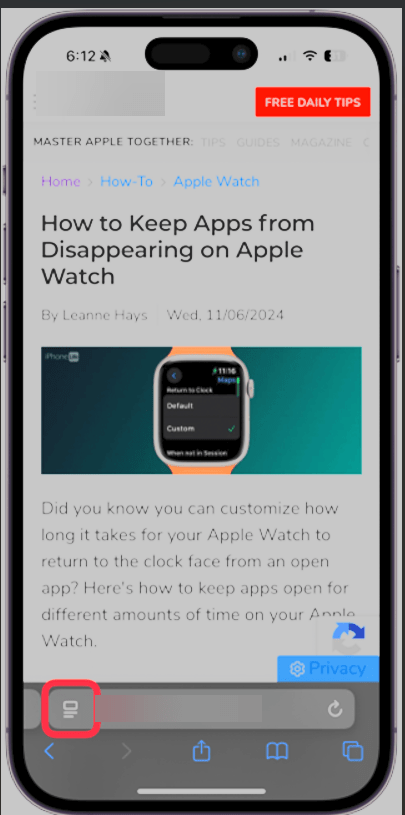
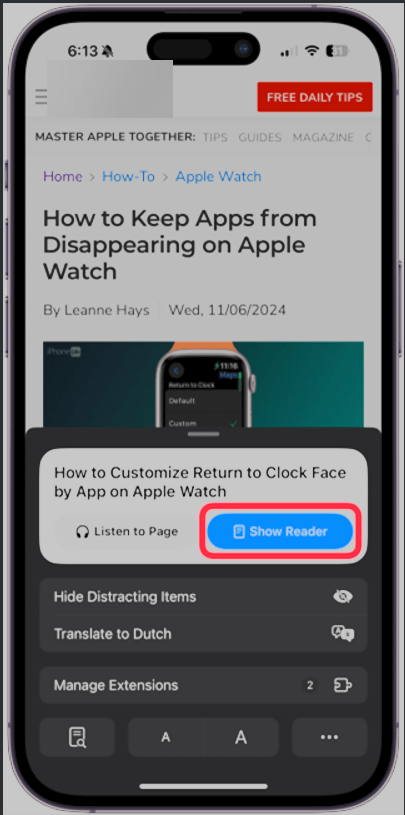
Open your webpage in Safari and tap the Page Settings button at the bottom left. Refer to the below image:
Selecting Page Settings button
Next, tap Show Reader. See the below image:
Selecting Show Reader button
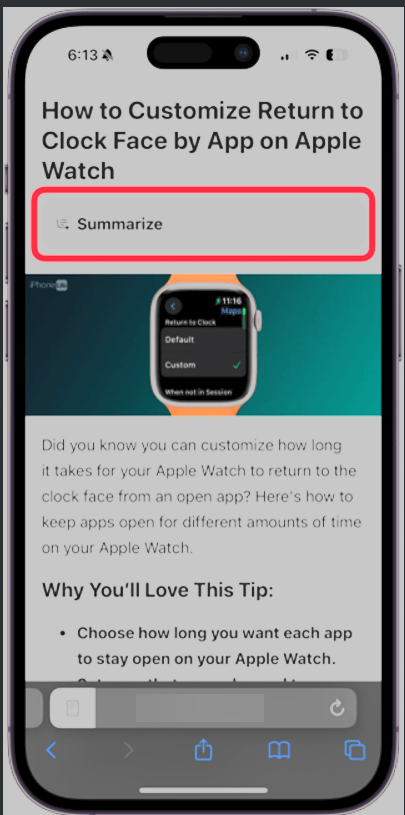
Now, tap Summarize. See the following image:
Selecting Summarize button
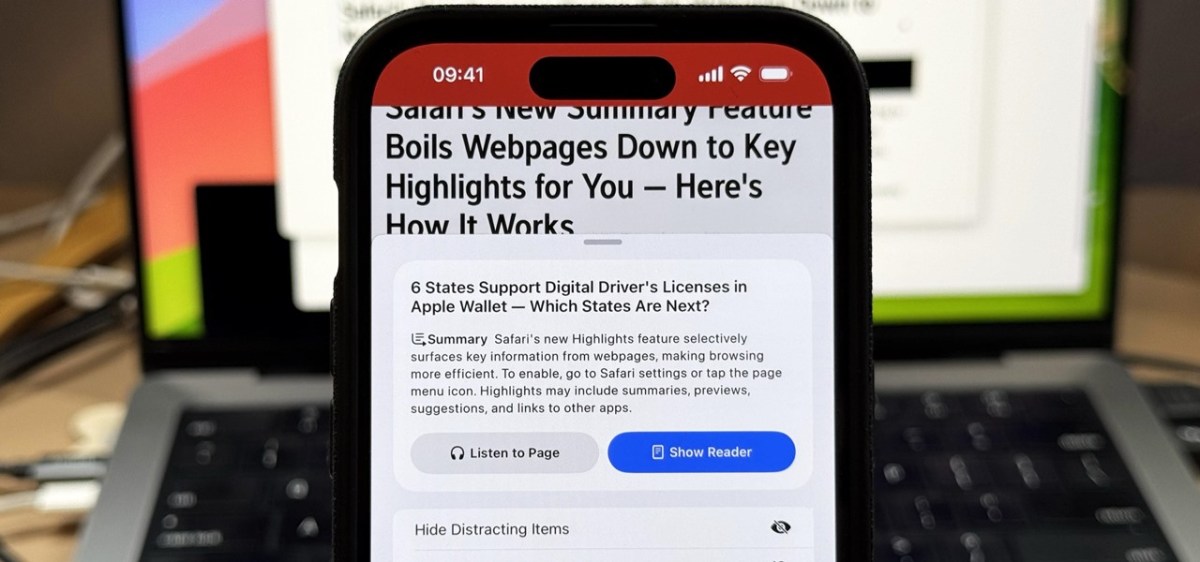
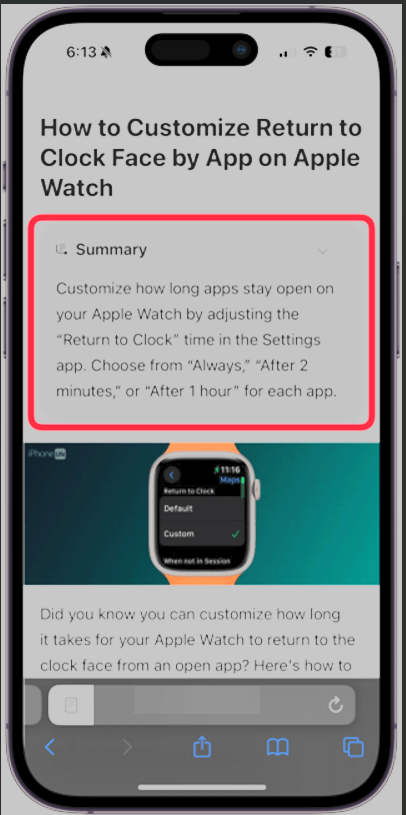
Next, you will see the summary displayed at the top of the page in a gray box. Refer to the below image:
The Summary
It’s that easy! Now, you can enjoy clear, concise summaries of the webpages you do not want to have to read through or make sure a website has the information you need before you spend ten minutes scrolling.
Disclaimer
Technology is constantly evolving, and smartphone and desktop tech rarely remains static. Therefore, the information in this post is only accurate as of the date it was written. Blog posts that are older than six months may contain instructions that are no longer compatible with your device or operating system. We hope that the content from previous posts continues to function as intended. Thank you for reading TechSavvy.Life, where technology works for you.
Quote For the Day
“Technology is a word that describes something that doesn’t work yet.”
― Douglas Adams
X (Twitter) Info
That’s it. Please feel free to share this post! One way to share is via Twitter.
Just click the Tweet icon below. This will launch Twitter where you click its icon to post the Tweet.
Check out TechSavvy.Life for blog posts on smartphones, PCs, and Macs! If you have comments or questions, email us at contact@techsavvy.life.
We value your feedback! Was this post helpful? Please share your comments with us. If you have a tech question related to your computer or smart device, feel free to reach out. Just send an email to contact@techsavvy.life, and be sure to include the device, app, and version you are using. To assist us further, you can also attach screenshots related to your inquiry.
The author’s Vietnam eBook on the “Battle for Tra Bong Vietnam: Events and Aftermath” can be accessed from a Kindle device or the Kindle App for a desktop or smartphone. The apps are free.
The author’s Vietnam eBook on the Battle for Tra Bong Vietnam: Events and Aftermath





























 Tech Savvy Life