How to Protect Your Google Drive on iPhone and iPad

Storing important and or sensitive documents in Google Drive isn’t the most secure way to protect your data, but if you are, your iPhone and iPad can help keep everything safe. Let’s see how to protect this cloud storage mobile app using Face ID or Touch ID.

Your mobile device may already be setup to use Face ID or Touch ID. You may ask, why set this up for a particular app, the Google Drive? A friend may ask to see your device. What if they accessed your documents via Google Drive without your knowledge? There is nothing to stop them because you already unlocked your device. So, we are going to add another layer of protection. Of course, enabling two factor authentication for your Google account is the best way to keep prying eyes out of your cloud files.

Note! To follow this guide, you will need the Passcode for your device. The screenshots are for an iPhone.

This is for iPhone and iPad devices
Dilbert and Health
Copyright Scott Adams, Inc./Distributed by Universal Uclick for UFS

Open Google Drive

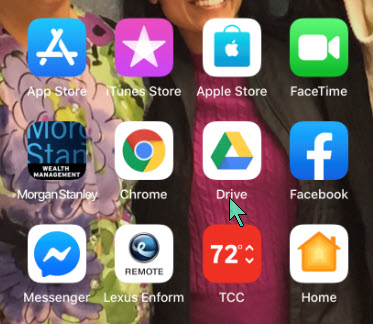
Start by opening the Google Drive app. Use Apple’s built-in Spotlight Search if you can’t find it on your Home screen. Refer to below image:
Google Drive Protect 1
Locating Google Drive app

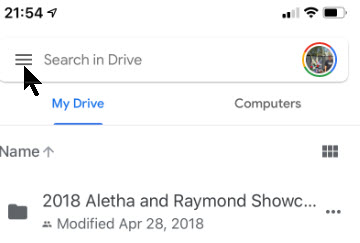
Next, tap the Hamburger icon in upper left of the screen. See following image:
Google Drive Protect 2
The Hamburger icon

Open the Settings

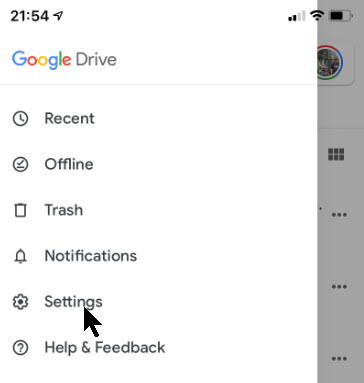
From the slide out menu that appears, select the Settings option. See below image:
Google Drive Protect 3
Opening Settings

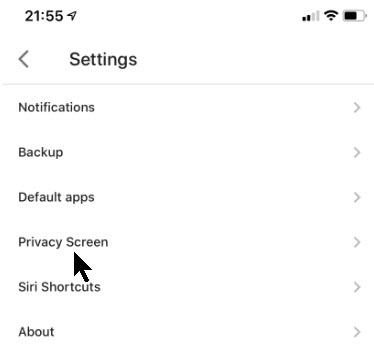
Next, tap on the Privacy Screen option. Refer to below image:
Google Drive Protect 4
Opening the Privacy Screen option

Set the Privacy Option

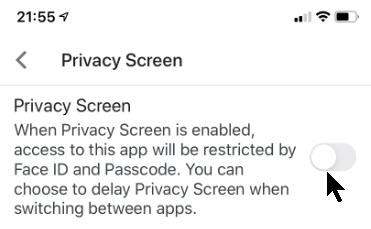
From here, toggle on the Privacy Screen option. See following image:
Google Drive Protect 5
Turning on the Privacy Screen option

Allow Permission

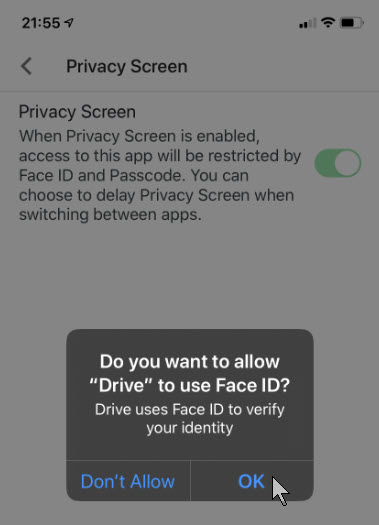
Now, your iPhone or iPad will display a pop-up box asking for permission to access Face ID or Touch ID. Tap the OK button to allow permission. Refer to below image:
Google Drive Protect 6
Allowing permission for Google Drive by Face ID

The next time you exit and reopen Google Drive, you will be presented a screen for your face or fingerprint to access your cloud storage.

Now that the Privacy Screen setting is enabled, you will see several new options to customize the feature further.

Set Privacy Screen Delay

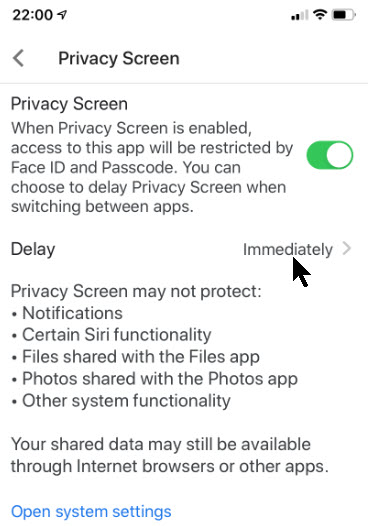
By default, the Privacy Screen feature locks the Drive app the moment you lock your iPhone’s or iPad’s display or leave the app. If you want to add a time delay, tap on the option that corresponds to the Delay listing. See below image:
Google Drive Protect 10
Accessing Privacy Screen Delay options

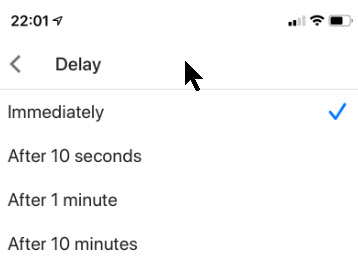
You have four options to choose from:

  • Immediately (the default)
  • After 10 seconds
  • After 1 minute
  • After 10 minutes

Once you have checkmarked your selection, tap the Back arrow. By default, the Immediately option is selected and is the recommended setting. Refer to below image:
Google Drive Protect 11
Setting the Privacy Screen Delay option

Using the Passcode Method

You have the option of using your Passcode to protect your files instead of your Face ID or Touch ID. This feature offers a more secure method of accessing Google Drive.

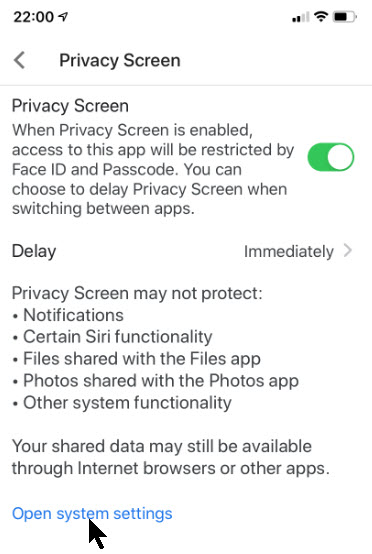
To do this, let’s go back to the Privacy Screen settings menu, then tap the Open System Settings blue link. See following image:
Google Drive Protect 7
Opening System Settings to change access method

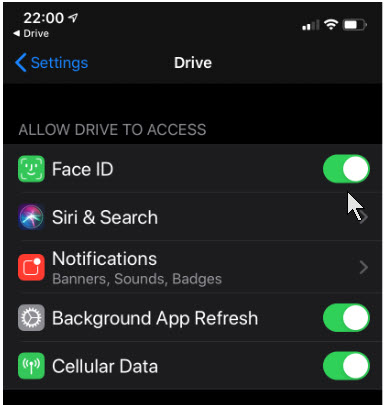
You are taken to the Drive’s section for your iPhone or iPad Settings menu. Here, just toggle off permission to use Face ID or Touch ID. See below image:
Google Drive Protect 8
Turning off Face ID permission

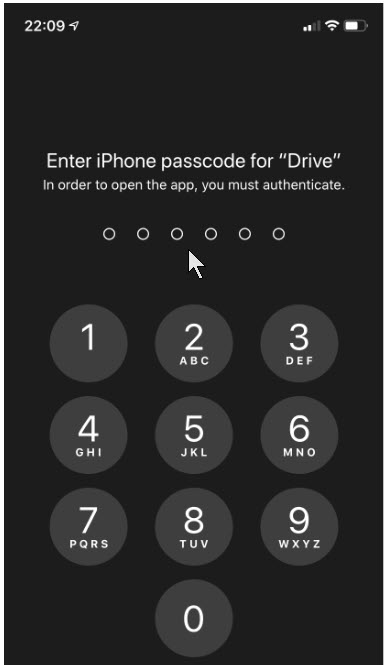
Now, the next time you open the Google Drive app,you will be required to enter your device’s lock screen Passcode. Refer to below image:
Google Drive Protect 9
Entering your Passcode to access Google Drive

You have successfully locked your Google Drive app either using your Face ID/Touch ID or your Passcode. That’s it.

I Would Like to Hear From You

Please feel free to leave a comment. I would love hearing from you. Do you have a computer or smart device tech question? I will do my best to answer your inquiry. Please mention the device, app and version that you are using. To help us out, you can send screenshots of your data related to your question.

The author’s Vietnam eBook on the Battle for Tra Bong: Events and Aftermath

I

How to Sign a PDF on Your iPhone or iPad

You’ve received or need to send a PDF through email that must be signed and sent to the other party. If you’re working with the email on your iPhone or iPad, you can sign the document directly from your mobile device. This handy capability is possible due to the Markup feature. With iOS 13, you can use a variety of tools. In this post, we will look at the Signature Markup tool.

This is for iPhone/iPad or similar devices using iOS 13 or above

Dilbert and Job Opening
Copyright Scott Adams, Inc./Distributed by Universal Uclick for UFS

How to Add a Signature

Follow these steps when you want to email someone a PDF from your iPhone or iPad but need to sign it before sending it.

1. Make sure the PDF is stored in a convenient location, such as OneDrive, iCloud Drive or other online service accessible from your iPhone or iPad
2. Attach the file to your email
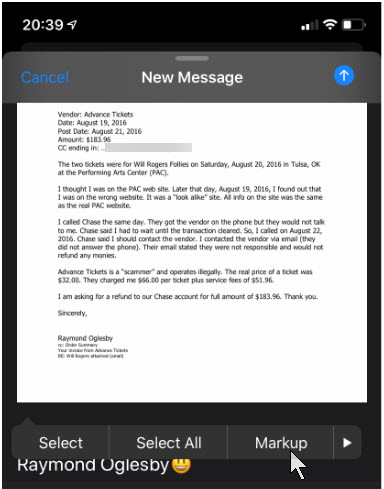
3. Tap the attachment and select Markup from the toolbar. Refer to below image:

PDF Signature 1
Selecting the Markup option

4. Swipe down to the area where you need to sign. If not, the Signature will be placed in the middle.
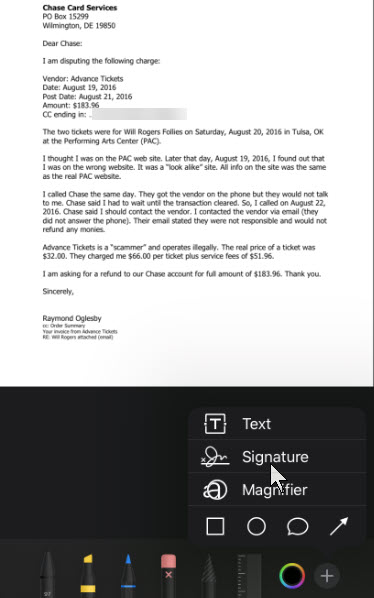
5. On the Markup toolbar at the bottom, tap the “+” icon and select Signature. See below image:

PDF Signature 2
Selecting the Signature option

Drawing Your Signature

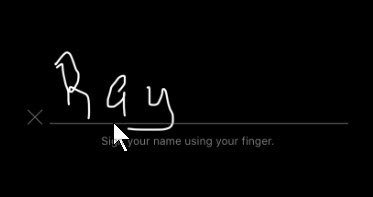
6. If you’re doing this for the first time, write your Signature via your finger tip or a stylus
7. Tap Clear if you wish to start over. See following image:

PDF Signature 3
Writing your Signature

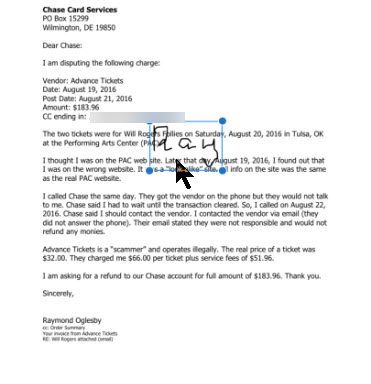
8. When you’re satisfied with your Signature, tap Done. See below image:

PDF Signature 4
Your Signature in the document

Position Your Signature

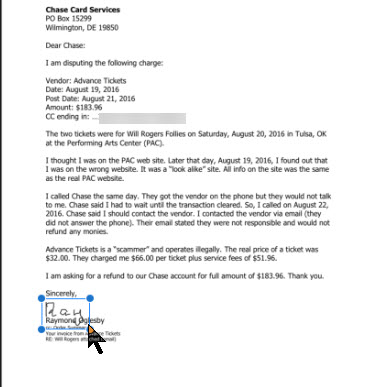
9. Move the text box for your Signature to the right spot. You can also resize the box by dragging any of the corners. Refer to below image:

PDF Signature 5
Positioning your Signature

Email Your Signed Document

10. When the Signature is sized and positioned correctly, tap Done at the upper left corner for the new Signature. Now you are ready to send your email by tapping on the Up Arrow icon. See following image:

PDF Signature 6
Email your signed document

How to Reply With Your Signature

If you receive an attachment that you need to sign and send back to the sender, the process is similar. 

1. Tap the PDF to open it and swipe down to the area that requires your Signature
2. Tap the Markup icon in the upper right (the one that resumbles a pen tip)
3. Tap the “+” icon on the Markup toolbar at bottom righ hand corner and select Signature. Your Signature will automatically appear if you already created it via Markup.
4. Tap your Signature, position and resize it accordingly
5. When finished, tap Done
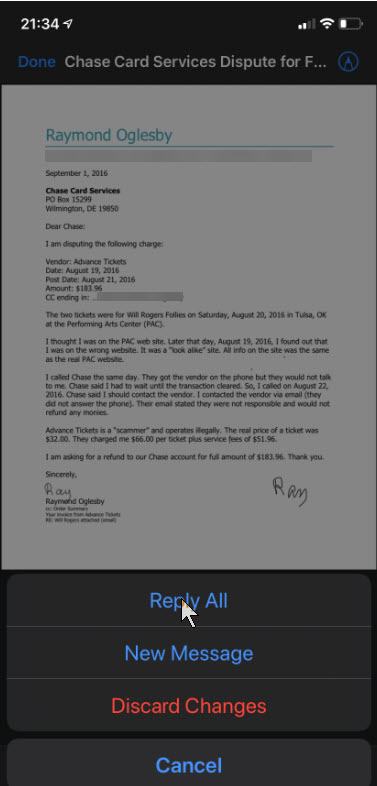
6, Tap New Message or Reply All and send the signed document back to the sender. For demonstration purposes, I just placed my Signature again, this time in lower right hand corner. Refer to below image:

PDF Signature 7
Selecting the Reply All option

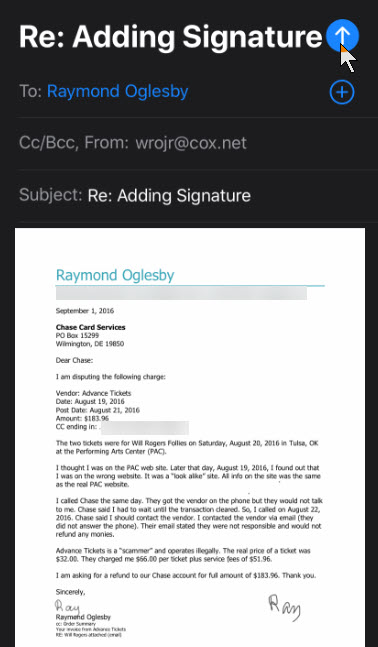
7. Tap the Up Arrow icon to send your return message. See below image:

PDF Signature 8
Returing your signed document back to the sender

You have successfully adding your Signature to a PDF file, emailed the attachment and replied to the other party with your Signature.

I Would Like to Hear From You

Please feel free to leave a comment. I would love hearing from you. Do you have a computer or smart device tech question? I will do my best to answer your inquiry. Please mention the device, app and version that you are using. To help us out, you can send screenshots of your data related to your question.

The author’s Vietnam eBook on the Battle for Tra Bong: Events and Aftermath

How to Check Your Hard Drive Status

Your hard drive has been acting strange. It’s making clicking or screeching sounds, it’s unable to find files, crashes on boot, slow transfer speed or seems to be moving slowly. Your hard drive is dying.

Since it is a mechanical device it has moving parts unlike a Solid State Device (SSD) which has none. But even a SSD will eventually fail.

Even if your hard drive is healthy, over time, it will die. You should keep an eye on it’s health once in a while for your peace of mind. Let’s see how to do this.

This is for Windows 10 devices and Macs

Copyright Scott Adams, Inc./Distributed by Universal Uclick for UFS

To Tweet about this post, click the Tweet icon below to launch Twitter, then click its Tweet icon to post.

Check out TechSavvy.Life for their blog posts on smartphone apps, PCs. and Macs!

The Drive’s SMART Status

Most modern drives have a feature called S.M.A.R. T. (Self-Monitoring, Analysis and Reporting Technology) that monitors different drive attributes in an attempt to detect a failing disk. That way, your computer will automatically notify you before data loss occurs and the drive can be replaced while it still remains functional.

Check in Windows

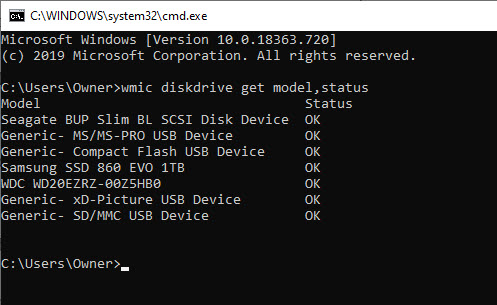
In Windows 10, you can manually check the S.M.A.R.T. status of your drives from the Command Prompt. Just right-click the Start button, select Run, and type “cmd“, then click OK or type “cmd” into the Cortana search bar, then click OK. In the Command Prompt pop-up box, type:

wmic diskdrive get model,status

It will return “Pred Fail” if your drive’s death is imminent; “Bad”, “Unknown” or “Caution” if its time to take care of a drive or “OK” if it thinks a drive is doing fine. Refer to below image:

Hard Drive Status
Checking your hard drives health

Check on a Mac

On a Mac, you can check S.M.A.R.T. status by opening the Disk Utility program, clicking on the drive and looking at “S.M.A.R.T. Status” in the bottom left, which will either read “Verified” or “Failing”.

SMART Status can be Misleading

However, this basic S.M.A.R.T. information can be misleading. You only know when your drive is near death, but you can start to experience problems even if the basic S.M.A.R.T. status is okay.

You can also use Defraggler program I discussed in a previous post. When you use the Analyze feature of the program, it will show your disk health. Click here for the post on using Defraggler.

Manufacture Check

If you want an even deeper, more accurate picture into your drive’s health, check its manufacturer’s website for a dedicated tool; for example, Seagate has SeaTools for its drives, Western Digital has Data Lifeguard Diagnostic for its drives and Samsung has Samsung Magician for its SSDs. These tools can sometimes take into account certain technologies specific to their hard drives and SSDs.

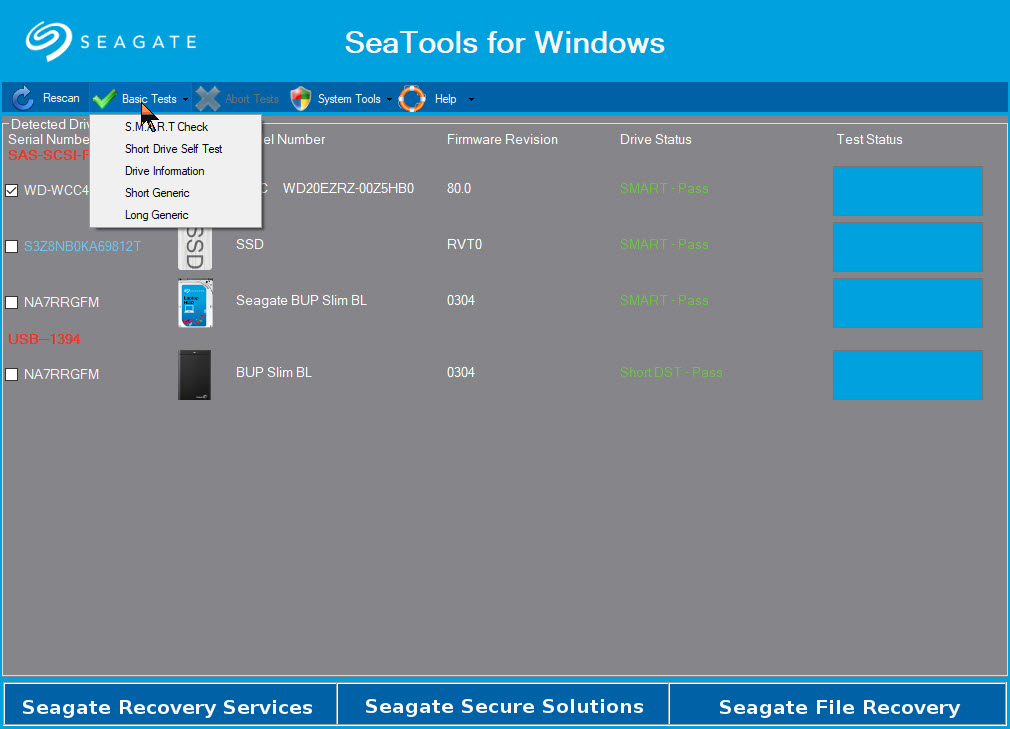
Note! You may find that the SeaTools (Seagate) utility is the only software you will need. In the below image, it can diagnose Samsung, Western Digital as well as Seagate using several methods:

Hard Drive Status 2
SeaTools for Windows options

Is Your Drive Almost Dead

Drives with the “Pred Fail” status won’t necessarily fail tomorrow. They could chug along for a year or be dead as a doornail in a few days if not hours.

If you’re getting warnings, it’s time to back up your files before your drive fails. Failure to act may cost you serious money to recover your data.

Now is not the time for a full backup, however: you don’t want to stress the drive with too many reads or it could fail while you’re backing up. Instead, plug in an external drive and copy your most important files onto it; family photos, work documents and anything else that can’t easily be replaced. Then, once you know those are safe, you can try doing a full drive clone with something like EaseUS Todo Backup Free.

I got a S.M.A.R.T. status of “Pred Fail” on my main hard drive. I quickly backed up my important files to an external drive. I never finished before it died. I tried the trick off turning my desktop on its side, then upside down. I got a little more life from the hard drive. Then I removed the hard drive and gently shook the device. I could hear the spindle sliding; then I knew if was totally dead. But it’s worth trying this trick.

Is Your Drive Dead

If your hard drive has already stopped working, things get a lot tougher and you’ll probably need a professional data recovery service which can cost $1,000 or more. But if you have pricelrss data on the drive, it may be worth it to you.

Prepare for Hard Drive Failure

It’s not a matter of “if” your hard drive will fail; it’s a matter of “when”. All hard drives fail eventually and if you want to avoid losing all your important files, you absolutely have to back up your computer regularly; including when the drive is healthy.

Take some time to set up an automatic, cloud based backup like Google Backup and Sync using Google Drive. It is one of the best things you can do to protect yourself from heartache later on. Or at least back up to an external drive using Windows 10 built-in File History Tool.

If your drive failed catastrophically with no warning, you can get back up and running in no time by having an up-to-date backup.

That’s it. Please feel free to share this post! One way to share is via Twitter, as mentioned below.

I hope you have found this post helpful. If so, click the Tweet icon below. This will launch Twitter where you click its icon to post the Tweet.

I have found TechSavvy.Life blog posts extremely helpful. Check them out for posts on smart phone apps, Macs and PCs!

The following is a previous Twitter feed so you can view how a Tweet will be displayed.

Display of your Tweet

I Would Like to Hear from You

Please feel free to leave a comment. I would love hearing from you. Do you have a computer or smart device tech question? I will do my best to answer your inquiry. Please mention the device, app and version that you are using. To help me out, you can send screenshots of your data related to your question.

The author’s Vietnam eBook on the Battle for Tra Bong: Events and Aftermath

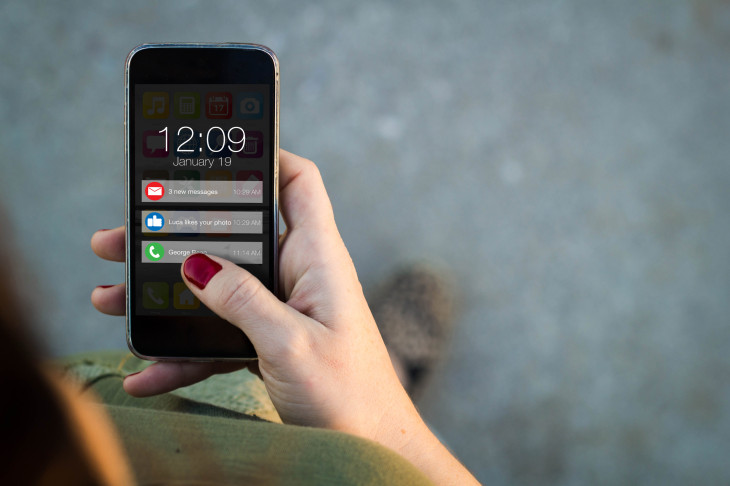
How to Turn Off/On Notifications on iPhone or iPad

If you are not careful when starting new apps, you will find yourself immersed in annoying notifications. They take up your time and are somewhat hard to turn off via the Settings app. Let’s explore how to quickly disable these notifications on your iPhone or iPad.

This is for iPhone and iPad

Dilbert iCloud
Copyright Scott Adams, Inc./Distributed by Universal Uclick for UFS

Turn Off Notifications

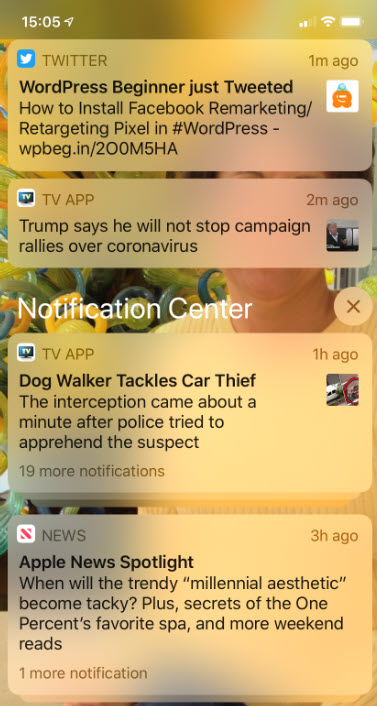
First, unlock your device to display your Home screen. On this screen, hold and swipe down from the top center of your screen to reveal your Notifications. Refer to below image:

iPhone Notifications 1
The Notifications screen

On a Notification you would like to disable, hold and swipe to the left. See following image for WordPress Beginner notification:

iPhone Notifications 2
Revealing your Notification actions

A sliding menu option will be displayed for three actions you may take. The actions are as follows:

Manage – allows you to manage future Notifications, and to disable it.

View – takes you to the app that initiated the Notification.

Clear – removes the Notification from your screen, but does not remove it.

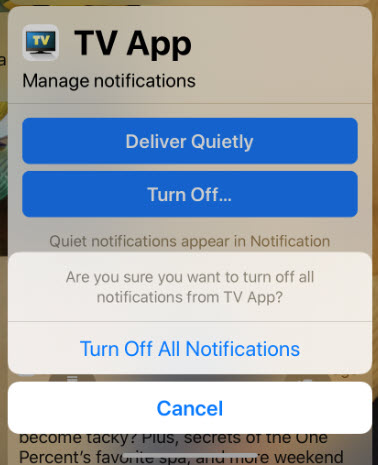
In my example, I decided to choose the TV App. Simply tap Turn Off to disable the Notification. Tapping the Deliver Quietly option allows you to receive future Notifications without receiving a sound or vibration. Refer to below image:

iPhone Notifications 3
Turning off your Notification

A pop-up confirmation message will ask if you really want to turn off all Notifications for this app. Just tap Turn Off All Notifications. See following image:

iPhone Notifications 4
Confirming your Notification action

From now on you will no longer receive Notifications for the chosen app.

Turn On Notifications

Let’s say you want to enable Notifications for the app you just turned off or any other Notification. In my example, I am enabling the TV App which I just turned off. To do this:

  • Tap Settings
  • Tap Notifications
  • Scroll down until you find the app and tap it
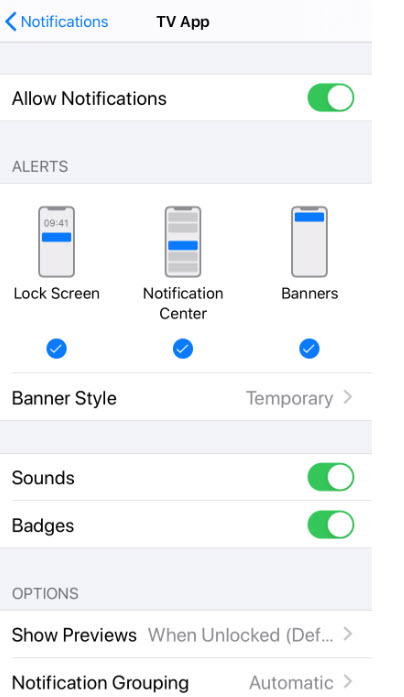
  • Tap the Allow Notifications toggle switch. Refer to below image:
iPhone Notifications 5
Enabling your Notification for a particular app

The toggle will turn green and Settings will display other options you may want to configure. See below image:

iPhone Notifications 6
Additional Notification actions

That was fairly easy. You now know how to quickly disable and enable your apps Notification.

I Would Like to Hear from You
Please feel free to leave a comment. I would love hearing from you. Do you have a computer or smart device tech question? I will do my best to answer your inquiry. Please mention the device, app and version that you are using. To help us out, you can send screenshots of your data related to your question.

The author’s Vietnam eBook on the Battle for Tra Bong: Events and Aftermath

How to Zip and UnZip Files for iPhone or iPad

The Files app got a huge upgrade with iOS 13 and iPadOS 13 and its support for external storage. One of the new things was the native support for Zip files. You’ll no longer need to download third-party apps and shuffle between different apps just to open a Zip file.

Note! The naming convention of zip or compressed, and unzip or uncompressed, are interchangeable. Your original files are left unchanged.

The main reason for compressing your photos or documents is to reduce the file size to send as an email attachment. Without the Zip capability, the file could be too large for emailing.

This is for iPhone/iPad running iOS 13 or higher

Dilbert and Manager
Copyright Scott Adams, Inc./Distributed by Universal Uclick for UFS

Creating a Zip File

To compress files, you’ll first need to add them to the Files app. You can do this easily using the Share sheet feature.

In this example, we’ll walk you through the process of ziping and unziping photos from the Photos app, but it will work using any other type of document.

Note! Your original photos or documents are left unchanged. They are just being compressed to a different location.

Open the Photos app and navigate to the album containing your photos. From there, tap on the Select button in upper right hand corner and select the Photos you want to compress by tapping on them. Refer to below image:

iPhone Zip 1
Selecting photos from the Photos album to be compressed

Next, tap the Share button in lower left hand corner. See below image:

iPhone Zip 2
Selecting the Share button in bottom left hand corner

From the Share sheet, tap on the Save to Files option. See following image:

iPhone Zip 3
Selecting the Save to Files option

Choose the On My iPhone or On My iPad option. Refer to below image:

iPhone Zip 3a
Setlecting the location of your compressed photos

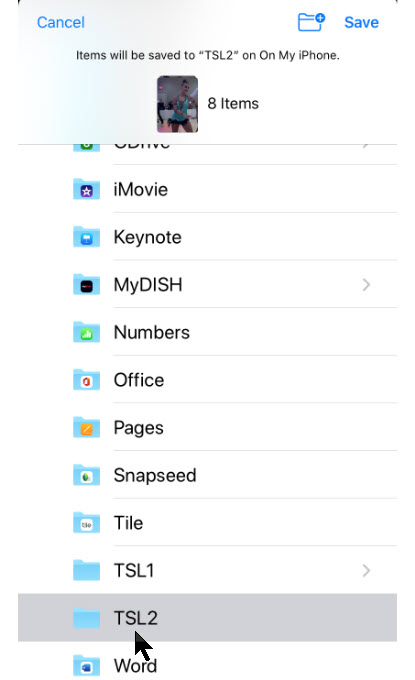
Here you can select an existing folder or create a new one, then tap the Save option. You will see a message at top of the screen displaying number of items, the folder name and On My iPhone or On My iPad location. See below image:

iPhone Zip 4
Selecting the folder of your compressed photos
Accessing the Files App

Navigate to the Files app and open the folder or location where you saved the photos. Then tap the Select button and select all the photos. Next, tap on the hamburger icon (the one with 3 dots) in lower right hand corner. Refer to below image:

iPhone Zip 5
Selecting all your photos and tapping the hamburger icon in lower right hand corner

In the context pop-up menu, tap on the Compress button. See below image:

iPhone Zip 6
Choosing the Compress option from the context pop-up menu

You will see a new file labeled Archive.zip in the same folder. Refer to below image:

iPhone Zip 7
Creating the default Zip file of your compressed photos
Renaming the Zip File

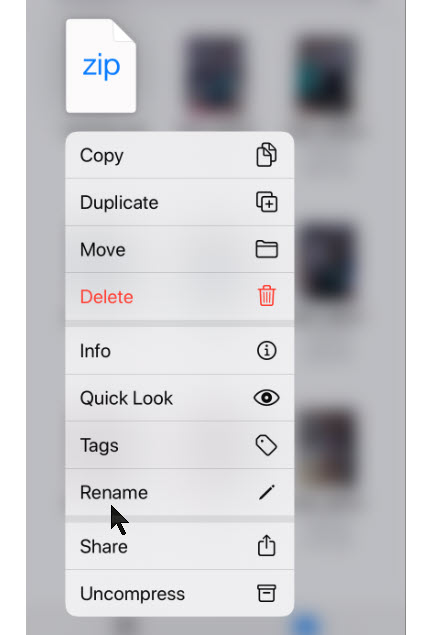
To rename the Zip file, tap and hold on it until the see its Context pop-up menu. See below image:

iPhone Zip 8
Selecting the Rename option

Now, tap on the Rename option and type in a new name, then tap Done. See following image:

iPhone Zip 9
Renaming the default Zip file name

Your new compressed file will now be displayed. Refer to below image:

iPhone Zip 10
Viewing your new Zip file

Now you are able to send the Zip file as an email attachment or to a service like Dropbox, Google Drive or OneDrive to share with others.

Choosing Another Location to Save Your Files

For future downloads, you might want to change your default storage location. The downloaded files, by default, are saved to the Downloads folder in iCloud Drive in the Files app. This is a great option if you have a paid iCloud storage plan because it allows your downloaded files to sync across all your devices. But if you’re on the free 5GB plan, you might not have space for storing large files, even if they are compressed.

Thankfully, you can change the default location to local or on-line storage. To do this on your smartdevice:

  1. Open Settings app
  2. Navigate to Safari
  3. Select Downloads
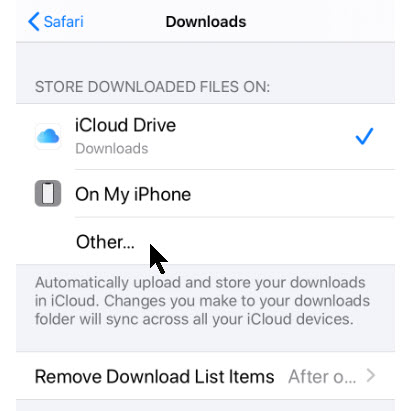
  4. Tap on the Other option to select any folder from the local storage (or from a cloud storage option). Note! The default is the Downloads folder. For our example, we are using the default location and folder. See below image:
iPhone Zip14

Selecting where to save your iPhone downloads

Unzip your File

The process of unzipping an archive in the Files app is relative easy.

Again, you’ll need the Zip file to be in the Files app. You can follow the same process we did in the previous section to add a Zip file to the Files app.

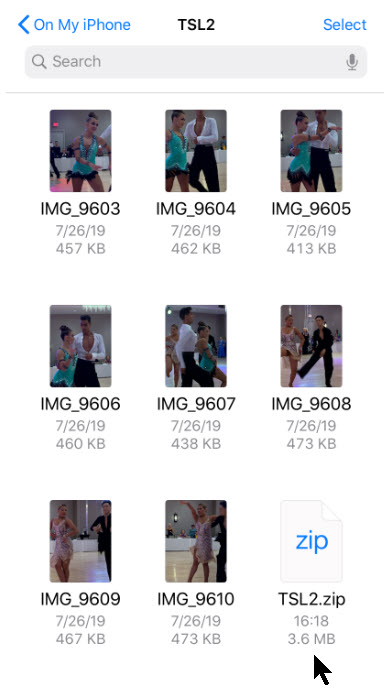
Navigate to the location where you saved the Zip file. Refer to below image:

iPhone Zip 11
Location of your saved Zip file

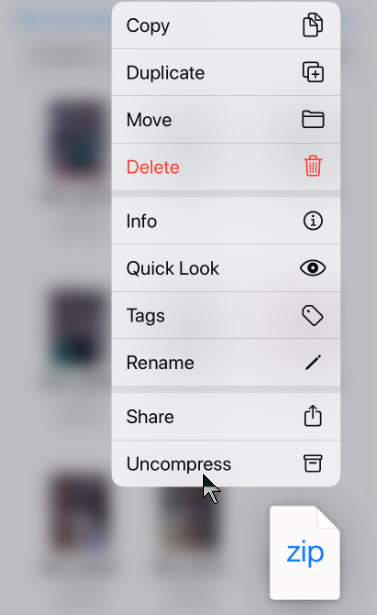
Tap and hold on the file name. Select the Uncompress option from the context pop-up menu. See following image:

iPhone Zip 12
Selecting the Uncompress option from the context pop-up menu

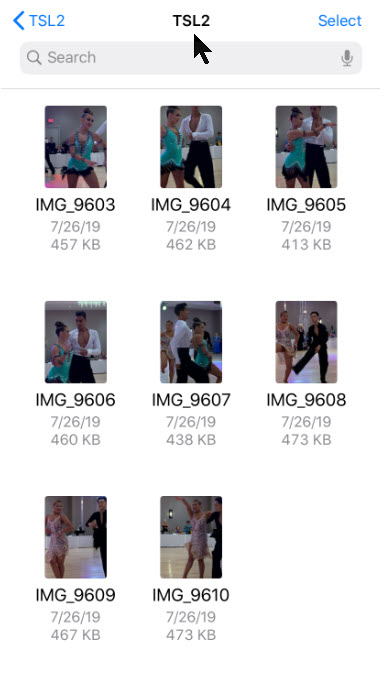
You will see a new folder with the same name as the Zip file. Tap on it to see the contents of the Zip file. Your photos are now unzipped. See below image:

iPhone Zip 13
The unzipped files

You have successfully compressed and uncompressed your photos.

I Would Like to Hear from You

Please feel free to leave a comment. I would love hearing from you. Do you have a computer or smart device tech question? I will do my best to answer your inquiry. Please mention the device, app and version that you are using. To help us out, you can send screenshots of your data related to your question.

The author’s Vietnam eBook on the Battle for Tra Bong: Events and Aftermath

How to Add Slide Numbers to Your PowerPoint Presentation

In PowerPoint, it’s hard to remember what slide number you are presenting. As an aid, we can add the slide number to our slides.

One way, we could manually add a number using a text box. But what if you added or deleted a slide? This would require you to manually update your slide numbers; a time consuming and error prone task.

Instead, you can have the slide numbers update automatically on all your hidden and active slides. By default, your slide numbers appear in your slide footer, but you can move and format them.

This is for PowerPoint for Office 365 Windows and Mac versions. Other versions of PowerPoint will be similar.

Dilbert Personal Information
Copyright Scott Adams, Inc./Distributed by Universal Uclick for UFS

Adding Slide Numbers

Open a PowerPoint presentation with several slides to see the feature. Click the Insert tab. In the Text section, click the Header & Footer icon. See below image:

PowerPoint Slide Numbers 1
Text dialog box

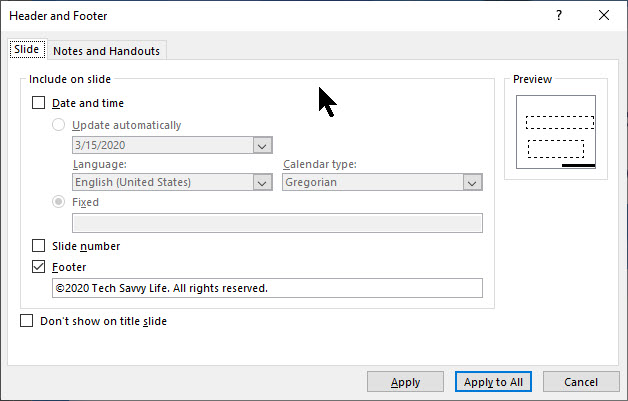
The Header & Footer options box will open. Refer to below image:

PowerPoint Slide Numbers 2
Slide Header and Footer options

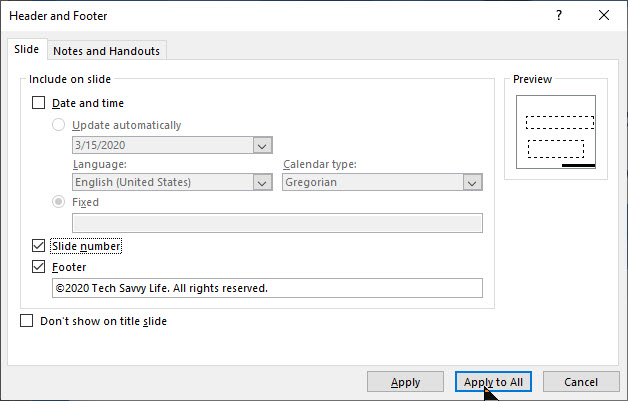
Under the Slide option, place a check in the Slide number checkbox. To add your slide number to all of your slides, select Apply to All button. Refer to below image:

PowerPoint Slide Numbers 3
Checkmarking the Slide Number option

Your slide number will appear in the bottom right corner. Note! The number place holder will be small. See following image:

PowerPoint Slide Numbers 4
Sliode Number placeholder

Remove Slide Numbers

To remove your slide numbers, follow the steps above. In the Header & Footer options options box, simply uncheck the Slide number checkbox. Then click Apply to All button. Your slide numbers will be removed.

Format Slide Numbers

We are going to use PowerPoint Slide Master to make the slide number in a different font, color, size or position.

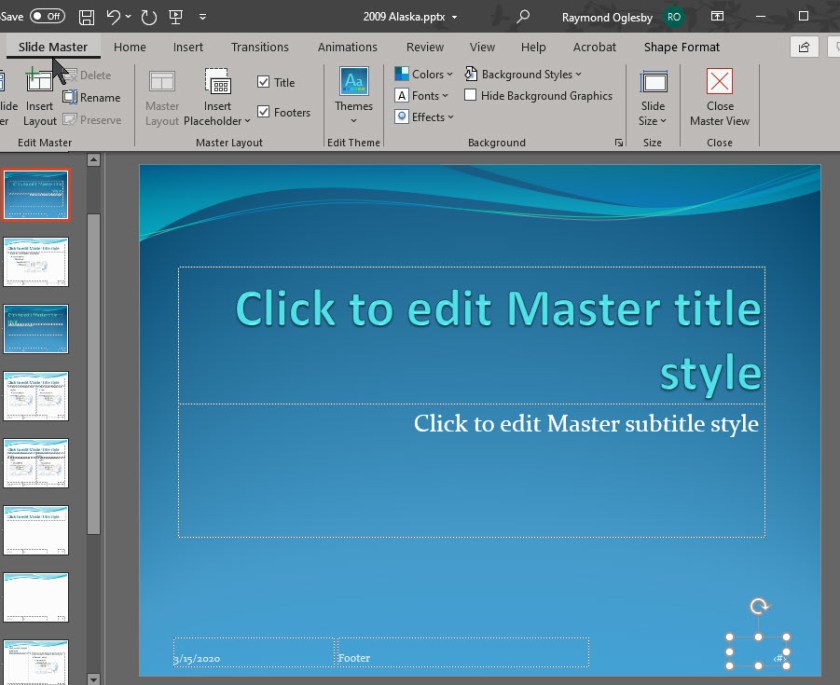
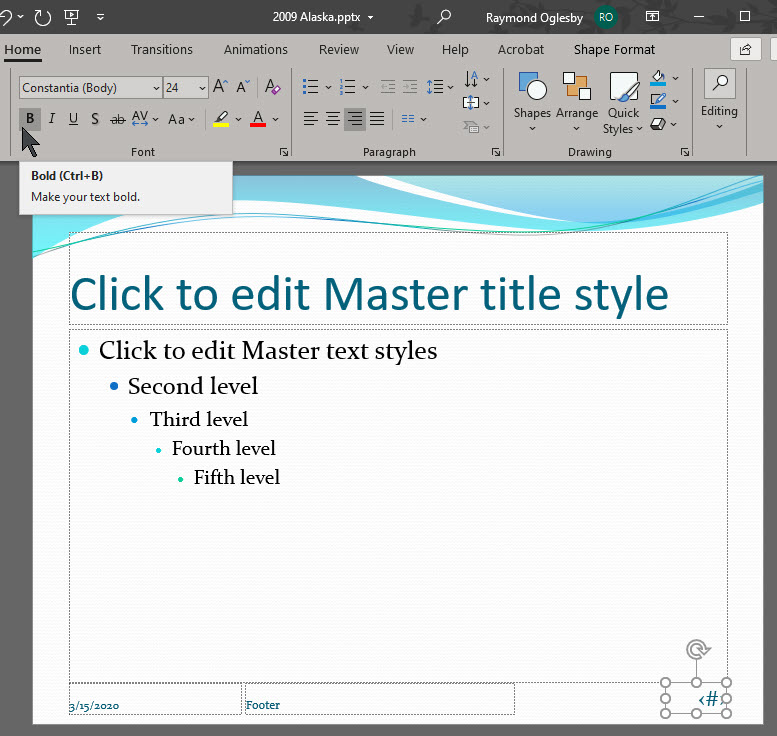
To do this, click View from the main menu, then select Slide Master. This will load the Slide Master editing box. You will see the slide number box in its default position at the bottom right section of the slide. See following image:

PowerPoint Slide Numbers 5
Accessing the Slide Master

Note! You could add a text box with the word “Slide” next to the slide number; this is not shown.

When you move or apply a different font, size or color, it will apply to all your slides.

To edit the text box, select the box then select the Home tab. See below image:

PowerPoint Slide Numbers 6
Selecting the Home tab for editing

Then you can use the available options in the Font and Paragraph sections to format the number like choosing Bold, Underline, etc. I have set the number to be Bold and made the font size bigger. See below image:

PowerPoint Slide Numbers 7
Editing the Slide Number placeholder

Once you have finished editing, return back to the Slide Master tab and click Close Master View button. Refer to below image:

PowerPoint Slide Numbers 8
Closing the Slide Master

Be sure to Save your presentation with the automatic slide numbering feature.

Related

How to use the PowerPoint Dim feature
How to setup a PowerPoint presentation using the Loop feature
How to add Rolling Credits to your Powerpoint presentation

I Would Like to Hear from You

Please feel free to leave a comment. I would love hearing from you. Do you have a computer or smart device tech question? I will do my best to answer your inquiry. Please mention the device, app and version that you are using. To help me out, you can send screenshots of your data related to your question.

The author’s Vietnam eBook on the Battle for Tra Bong: Events and Aftermath

How to Save your PDF to iPhone or iPad

As you are browsing the web, you may come across a PDF file you want to save for later viewing. Let’s examine how to do this.

This if for Apple iPhone and iPad

Copyright Scott Adams, Inc./Distributed by Universal Uclick for UFS

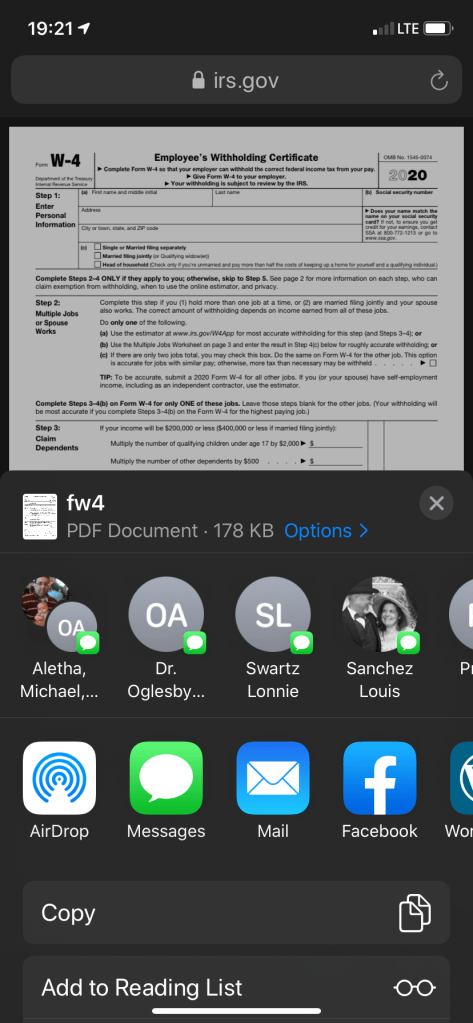
While viewing the PDF file in Safari, tap on the Share button. The Share button resembles a rectangle with an up arrow. On an iPhone, the button will be at the bottom of the screen. For an iPad, the Share button is located just to the right of the browser’s address bar. See following image for the iPhone location:

PDF Save 0
The Share icon at bottom center of the screen

Ways to Save Your File

After tapping the Share button, you will see a list of ways to share or save the file, including sending the file to others by a text message or email. Refer to below image:

PDF Save 2
Ways to share your file

Swipe down the list to find the app you want to open with. See following image:

PDF Save 4
More ways to save your file. Showing the Save to Files option

Use Built-In Apps

You may want to chose the built-in apps like Books or Files. If you want to use Books, the file will be available in the Books app. If you chose Files, then chose your save location.

Use Outside Services

Some people prefer to save their file to an outside service like Dropbox, Google Drive or Microsoft OneDrive. The choice is up to you.

My Example

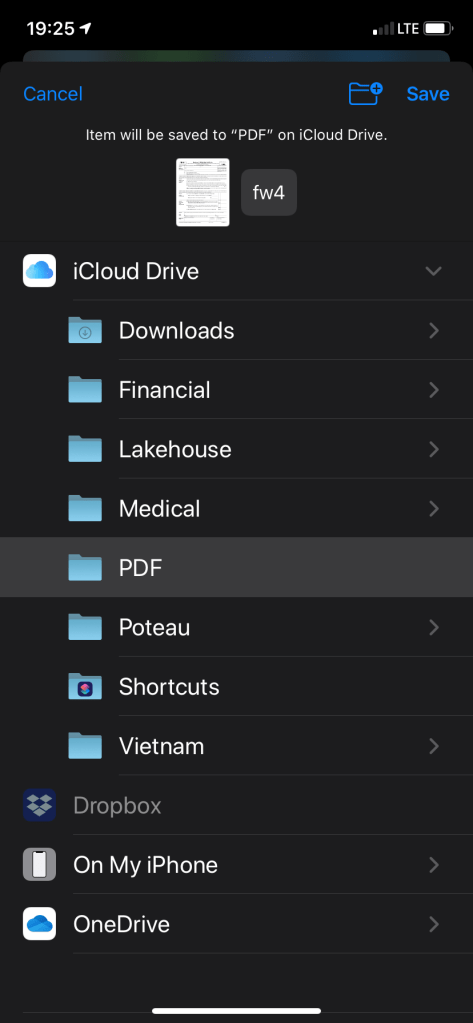
For my example, I am saving the file using the Files option to the PDF folder on the iCloud Drive. Refer to below image:

PDF Save 5
Saveing the file to iCloud Drive using the PDF folder

Later, if you chose the Files app, you will see the PDF file you just downloaded; same for the Books app. See following image on my choosing the Files app:

Chosing the Files App

PDF Save 6
Getting ready to open the PDF file

As you have seen, you have a lot of choices, thanks to Apple engineers.

I Would Like to Hear from You

Please feel free to leave a comment. I would love hearing from you. Do you have a computer or smart device tech question? I will do my best to answer your inquiry. Please mention the device, app and version that you are using. To help me out, you can send screenshots of your data related to your question.

The author’s Vietnam eBook on the Battle for Tra Bong: Events and Aftermath

Eight Ways for Better Battery Life in iOS 13

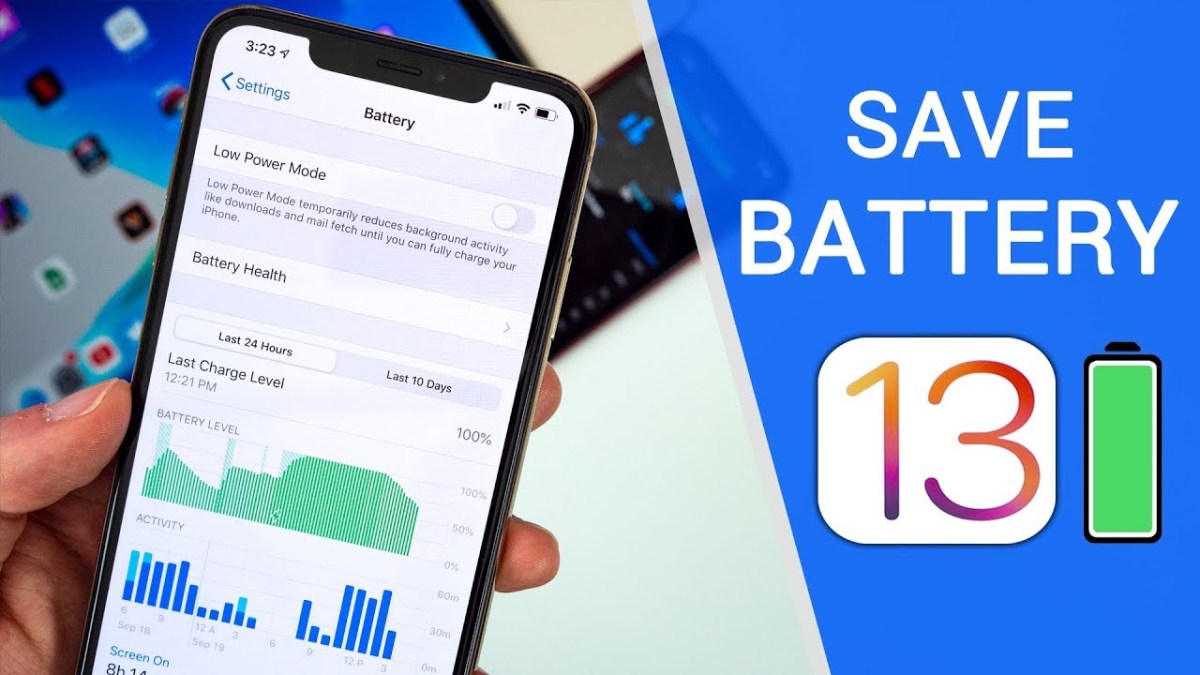
For most users, battery life can last most all day on modern iOS devices. However, you can change some iOS 13 settings to maximize the most of your battery usage.

This is for iOS devices iPhone and iPad running iOS 13 and above. Some tips can be applied in earlier versions.

Dilbert Work Day
Copyright Scott Adams, Inc./Distributed by Universal Uclick for UFS

Disable Dynamic Wallpapers on Your iOS Device

Dynamic Wallpapers was a fun UI feature that was added to iOS 7, but it drains battery life. If you use Dynamic Wallpapers and experience issues with battery life, you might want to disable the app and pick a standard background image by following these steps:

  1. Open the Settings app
  2. Select Wallpaper > Choose a New Wallpaper > Stills
  3. Select a solid color, then set it as the Home Screen background and Lock Screen background.

Note: Selecting the solid black wallpaper on an OLED screen will cause the device to use less power. Solid black pixels do not use power to display the screen.

Use Dark Mode on Your Device

Using Dark Mode can increase the battery life on OLED devices because it swaps out the white backgrounds for dark backgrounds that use less battery life as mentioned above. To enable Dark Mode follow these steps:

  1. Open the Settings app
  2. Select Display & Brightness
  3. Change the Appearance from Light to Dark

Disable Raise to Wake

Raise to Wake was introduced with the iPhone X as a way to view the Lock Screen Notifications by raising your iPhone into portrait mode. This is a great feature, but it can cause your screen to turn on throughout the day and drain your battery life. To disable this feature, perform the following steps:

  1. Open the Settings app
  2. Navigate to Display & Brightness
  3. Disable the option for Raise To Wake

With this feature disabled, you can still tap the screen to turn it on, but raising it will not cause the screen to turn on.

Disable Background App Refresh on Cellular

Background App Refresh is a great feature in iOS that allows apps to update in the background so that the next time you launch an app, everything is already loaded.

While you shouldn’t disable this feature for all apps, it’s good to review the apps that do use it and disable any that aren’t regularly used so they aren’t wasting battery life.

To check which apps are using Background App Refresh, follow these steps:

  1. Open the Settings app
  2. Navigate to General > Background App Refresh
  3. Disable this feature for any apps in this list that aren’t frequently used

When Background App Refresh is disabled and you quit an app that’s in this list, it will no longer download data in the backgroud; instead, you must open the app for it to download new content.

Background App Refresh has a feature that allows apps to use it only when you’re connected to Wi-Fi, not when you’re running on cellular data. To enable Wi-Fi-only Background App Refresh, complete the following steps:

  1. Open the Settings app
  2. Navigate to General > Background App Refresh > Background App Refresh
  3. Select Wi-Fi instead of the default Wi-Fi & Cellular

Ensuring that apps use Background App Refresh only when on Wi-Fi means it will not use battery-draining cellular data to perform the requests.

Disable Motion Effects on Your iOS Device

Disabling motion effects means that the cute animations throughout iOS and third-party apps won’t be as prominent, but if you can live without them, you can save battery life.

To disable motion effects, perform the following steps:

  1. Open the Settings app
  2. Navigate to Accessibility > Motion
  3. Enable the option for Reduce Motion

Manage Bluetooth Connections on Your iOS Device

If you have multiple Bluetooth devices connected to your iOS device and are not using them, it may be a good opportunity to review the items and remove any you’re not currently using.

Follow these steps to review and remove Bluetooth devices:

  1. Open the Settings app
  2. Select Bluetooth, and tap the “i” next to the connected devices you wish to disconnect
  3. Tap Forget This Device (or Disconnect), if available

You can also turn Bluetooth off completely by following these steps\:

  1. Open the Settings app
  2. Select Bluetooth
  3. Toggle the switch to OFF 

Manage Location Settings on Your iOS Device

Location and the use of GPS to track your device for various apps can be a huge battery hog, and iOS 13 includes a new way to manage these settings.

It’s worthwhile to manage your loccation settings in apps to ensure only those that need to use your location have access to do so.

To review and manage location tracking follow the below steps:

  1. Open the Settings app
  2. Select Privacy
  3. Tap Location Services

You should check and control the location tracking for each individual app. Remember that disabling Location Services may hinder the apps functionally.

Place Your iPhone Face Down When Not in Use 

This is more of a tip than a setting change. Starting with the iPhone 6, Apple made its iPhones so that if you turn one face down it will keep the screen from lighting up upon notifications, which helps prevent battery drain.

I Would Like to Hear from You
Please feel free to leave a comment. I would love hearing from you. Do you have a computer or smart device tech question? I will do my best to answer your inquiry. Please mention the device, app and version that you are using. To help us out, you can send screenshots of your data related to your question.

The author’s Vietnam eBook on the Battle for Tra Bong: Events and Aftermath

How to Use Spotify with Siri on iPhone

If you’re running iOS 13 or higher, you can directly ask Siri to play your favorite playlist, song or an artist on Spotify. iOS 13+ expands third-party support for Siri which now includes Spotify. This means you can get Apple Music style playback controls with Siri on your iPhone. Here’s how to set it up.

If you already have the Spotify app installed, and you’re logged into your account, all you have to do is start talking to Siri. Say “Play the Beatles on Spotify”.

This is for iPhone or iPad running iOS 13 or above

Dilbert Goals
Copyright Scott Adams, Inc./Distributed by Universal Uclick for UFS

Enable Spotify Access to Siri

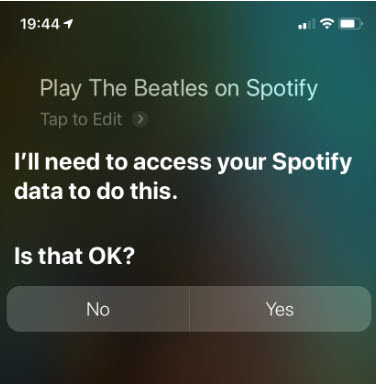
As this is your first time using Spotify with Siri, it will ask for permission to access your Spotify data. Simpily tap the Yes button. Refer to below image:

Siri and Spotify 1
Giving permission to access Spotify

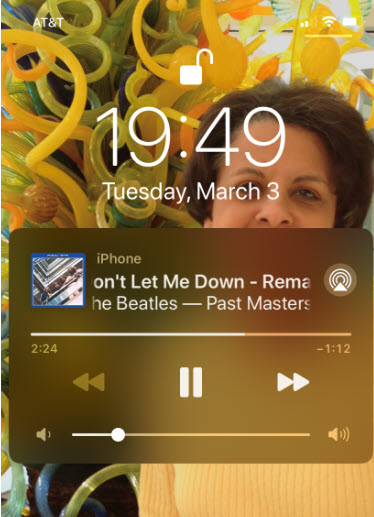
Spotify will start playing the music you requested. You’ll see a Now Playing widget playback control on the Siri screen.

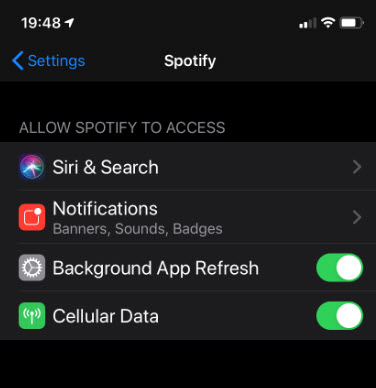
You can also control the Siri access for Spotify from your iPhone.

  • Open Settings
  • Select Spotify
  • Select Siri & Search. See following image:
Siri and Spotify 2
Accessing Siri and Search

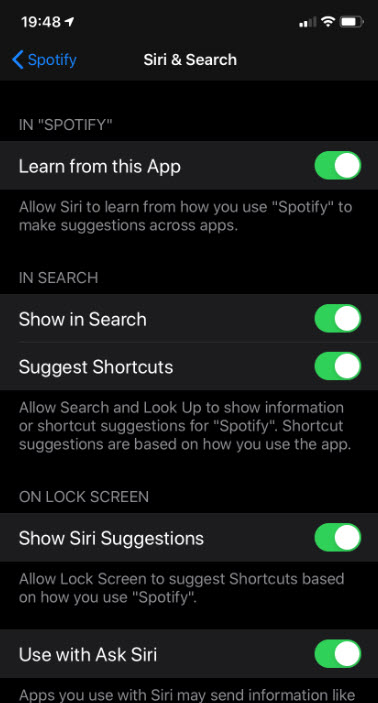
At the bottom of the screen, toggle on the Use with Ask Siri feature to enable Siri access for Spotify. Refer to below image:

Siri and Spotify 3
Toggle on the Use with Ask Siri

Control Spotify on Using Siri

Once Spotify is connected to Siri, you can use it to play any song, album, artist or playlist. You can also get specific about albums and years of release.

Below are some Spotify commands you can use with Siri:

  • Play [song name] on Spotify
  • Play [album name] on Spotify
  • Play [artist name] on Spotify
  • Play on Spotify
  • Play my liked songs on Spotify
  • Shuffle on Spotify
  • Play the latest album by [artist name] on Spotify
  • Play [genre] music on Spotify

Other than these, you can use the standard playback controls in Siri as well. For instance, you can ask Siri to play, pause, skip, repeat, shuffle or go to the previous track. Refer to below image:

Siri and Spotify 4
The playback control

On your iPhone, you can also open Spotify and see what is playing at the bottom of the screen. See below image:

Siri and Spotify 5
Accessing Spotify to see what is playing

The following image is an example of using the Spotify command Play Easy Listening on Spotify:

Siri and Spotify 6
Listening to Easy Listening on Spotify

For now, Siri only supports playback features in Spotify. You can’t use Siri to interact with the app. For instance, you can’t search for something like a song in Spotify using Siri. You also can’t use Siri to add a song to a playlist either.

I Would Like to Hear from You

Please feel free to leave a comment. I would love hearing from you. Do you have a computer or smart device tech question? I will do my best to answer your inquiry. Please mention the device, app and version that you are using. To help us out, you can send screenshots of your data related to your question.

The author’s Vietnam eBook on the Battle for Tra Bong: Events and Aftermath

Online Conferencing Solutions

In this Coronavirus pandemic, many people are working from home. Our local TV news and weather people have live audio and video streaming from their homes for the daily news broadcast. Working from home has become the new norm.

This will continue after the crisis is over. Instead of going to an office or to a clients location, you will collaborate through an audio and video service.

I researched some web sites for the top call services. They have a similar mix of apps, just in a different order. Some of the web sites have organizations I never heard of. So, I like the ranking from Office Watch. Click here to read their review.

This is for modern web browsers and apps on Apple, Android and Microsoft platforms

Their top seven online call services are as follows:

  1. FaceTime – handles up to 32 people
  2. Skype – up to 50 people
  3. WhatsApp – handles 4 people
  4. Signal – one-on-one calls only
  5. Zoom and Meetings – up to 100 people for the free version; 1000 for their enterprise paid version
  6. Microsoft Teams and Live Events – can handle 4 participates, up to 10,000 for the paid version
  7. Google Hangouts – up to 150 people

I recommend Facetime or Skype for a small busines; Zoom for a medium business; and Zoom Meetings for a large enterprise. Facetime and basic Zoom are free. Click here to read the review of their rankings.

I Would Like to Hear From You

Please feel free to leave a comment. I would love hearing from you. Do you have a computer or smart device tech question? I will do my best to answer your inquiry. Please mention the device, app and version that you are using. To help us out, you can send screenshots of your data related to your question.

The author’s Vietnam eBook on the Battle for Tra Bong: Events and Aftermath